
Container Gardens
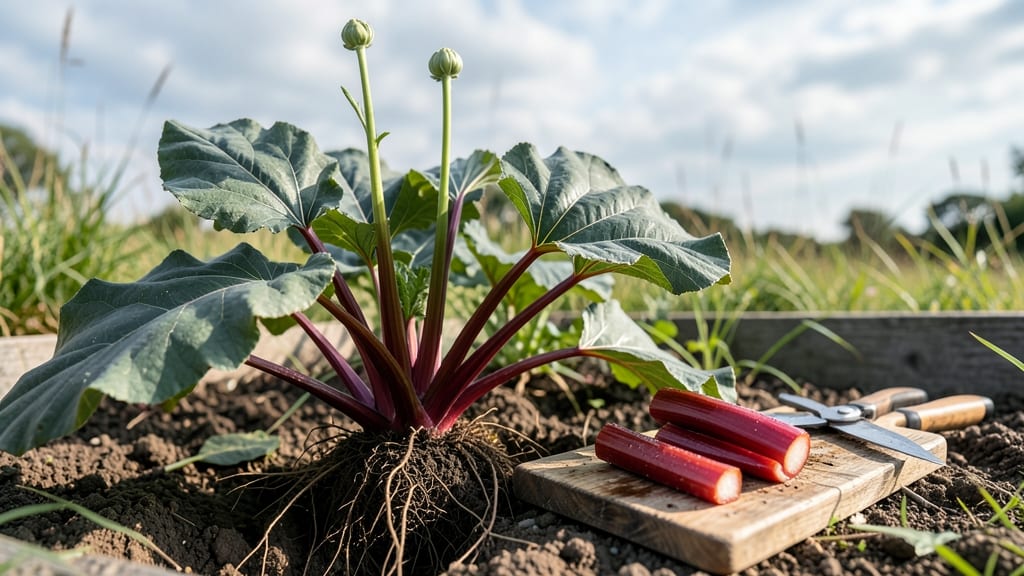
The rhubarb growing season starts with cool spring soil and ends before summer’s heat, a narrow window that makes timing everything for a sweet harvest.
Picture this: you’ve waited patiently for your 🍃 rhubarb crown to sprout, only to find the stalks are still thin and underdeveloped by late spring. That’s the risk when you plant too early or too late for your zone.
In USDA Zone 6a, where many gardeners live, the ideal window is March to April—but push it too far north or south, and you’ll miss the sweet spot.
Here’s the key: rhubarb thrives in early spring’s chill but bolts (goes to seed) when summer heats up. That means your harvest window is tight—usually May to June—and getting it right means fewer scraggly stalks and more plump, tender ones ready for pies and compotes.
Below, I’ll break down the exact months for your zone, how to protect your plants from late frosts, and the simple tricks to stretch your harvest just a little longer—so you’re not left staring at a patch of floppy leaves when the season’s over.
Rhubarb growing season by USDA hardiness zone: exact planting & harvest months
Rhubarb thrives as a perennial hardy plant in USDA zones 3-9, but the exact planting and harvest windows vary dramatically by region.
Whether you're in frigid zone 3 or mild zone 9, timing matters—plant too early, and frost will damage tender roots; harvest too late, and stalks become woody. Let’s break down the precise months for each zone to maximize your yield.
In cold-hardy zones 3-5, rhubarb’s dormant season stretches longer, so planting happens earlier in spring (March-April) while warm zones 6-9 can start as early as February.
Harvest timing also shifts: Northern gardeners enjoy harvests from late May to July, while Southern growers can start as early as April and extend into August with proper care.
First-year plants need patience—they won’t produce much until year 2 or 3, but mature plants reward you with months of harvests. Below, see the exact planting and harvest windows by zone, including frost-sensitive periods that can ruin your crop.
| USDA Zone | Planting Window | First Harvest | Peak Harvest | Notes |
|---|---|---|---|---|
| Zones 3-4 | Late March–April (after last frost) | Late May–June | June–July | Cold-hardy; mulch heavily in winter. |
| Zones 5-6 | March–early April | May–early June | June–July | Moderate frost risk; avoid early planting. |
| Zones 7-8 | February–March | April–May | May–August | Longer growing season; harvest can extend. |
| Zone 9 | January–February | March–April | April–July | Mild winters; plant early for extended harvest. |
For zones 3-4, the last frost date is critical—planting too early risks frost damage to young roots. Aim for March-April once soil temps hit 40°F. In zones 5-6, you can start slightly earlier, but avoid planting before March unless you’re using row covers for frost protection.
In warmer zones 7-9, rhubarb’s growing season extends longer. Zone 9 gardeners can even plant in January for an early spring harvest. The key is to avoid late-season frost, which can blacken tender stalks.
If frost threatens, cover plants with row fabric or a lightweight blanket.
Harvest timing varies by plant maturity. First-year plants may produce only a few stalks, while mature plants (year 3+) yield 50+ stalks per season.
Always harvest outer stalks first to avoid damaging the crown. Wait until stalks are 10-12 inches tall and 1 inch thick for the best flavor.
Pro tip: In zones 3-5, apply a 4-inch layer of mulch in late fall to insulate roots. In zones 6-9, focus on consistent watering during dry spells to prevent woody stalks. With the right timing, your rhubarb can reward you with harvests for decades!
Remember, rhubarb is perennial, so proper seasonal timing now means years of easy harvests. Mark your calendar for planting in spring and harvesting in late spring/early summer, and you’ll never miss a beat.
How to extend your rhubarb harvest season with simple growing hacks
If you love fresh rhubarb but hate waiting for the short harvest window, I’ve got good news: you can extend your season with just a few simple strategies.
Whether you’re in a cold northern zone or a warm southern climate, these proven hacks will give you more stalks for longer—without complicated techniques.
Rhubarb naturally produces most of its crop in late spring to early summer, but with the right approach, you can push harvests earlier or later by 4-6 weeks. The key is protecting young growth and optimizing plant health so your rhubarb keeps producing well past its usual peak.
🌱 5 Simple Ways to Extend Your Rhubarb Harvest
- 1. Mulch heavily in early spring to insulate roots and warm soil faster. Use 6+ inches of straw or compost to protect crowns from late frosts and encourage earlier growth.
- 2. Choose cold-hardy varieties like 'Victoria' or 'Timperley Early', which tolerate light frosts and produce earlier stalks than standard types.
- 3. Use frost blankets on young shoots in spring or fall to protect tender growth. Even a lightweight row cover can add 2-3 weeks to your harvest window.
- 4. Water deeply before harvests to plump up stalks. Consistent moisture keeps tender, crisp stalks ready for picking—even in dry spells.
- 5. Harvest strategically: Cut stalks from the outside inward to preserve the center for continued growth. Avoid removing more than 1/3 of stalks at once.
One of my favorite tricks is succession planting with rhubarb crowns. Instead of planting just once in spring, I add a few new crowns in late summer (zones 4-7).
These late-planted crowns often produce small stalks in their first year, but by the next spring, they’re ready to extend your harvest into early summer.
For gardeners in warmer climates (zones 8-9), the challenge is late-season heat. To keep rhubarb producing, I provide afternoon shade with a lightweight shade cloth (30-50% block). This prevents bolting (flowering), which drains energy from stalk production. A 5-foot-tall shade structure over the bed works wonders!
Don’t forget that well-drained soil is the foundation of a long harvest. If your rhubarb sits in wet soil, roots suffocate, and stalks stop growing early. Amend with compost and sand if needed, and always plant on a slight mound to improve drainage.
A little effort here pays off with weeks of extra harvests.
With these hacks, you can turn your 6-week harvest window into a 3-month feast. Try one or two this season, and watch your rhubarb keep giving—long after your neighbors’ plants have stopped producing! 🌱