
Vegetables
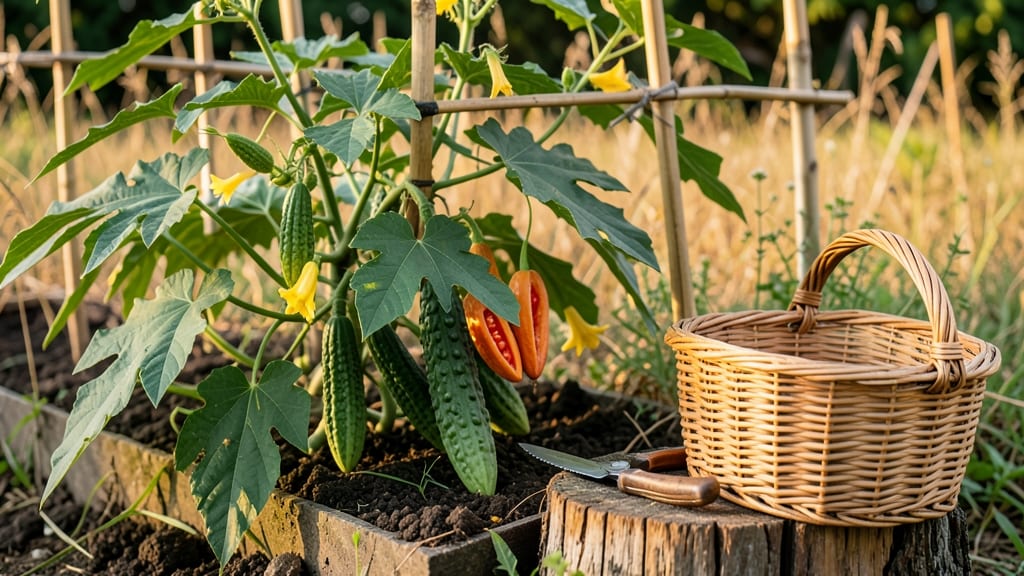
Timing bitter melon season right means the difference between a garden full of juicy, flavorful fruits and a crop that never quite lives up to its name.
Picture this: you’ve spent weeks nurturing your plants 🍈, only to harvest something that tastes like overgrown cucumbers. That’s the risk when you miss the ideal planting window—or worse, plant too late and face a sudden frost.
The good news? With the right timing, you can maximize your harvest in just 60–90 days.
Whether you’re in the frost-free tropics or a cooler zone where bitter melon thrives with a little protection, knowing when to start seeds or transplant matters. I’ll break down the exact months for your USDA zone, plus tricks to extend the season if you’re not in the perfect climate.
Ready to go from frustrating guesswork to a bountiful harvest? Let’s dive into the best times to plant, grow, and pick bitter melon for peak flavor and yield.
Bitter melon planting and harvesting months by USDA hardiness Zones
Timing your bitter melon planting is crucial—this tropical vegetable thrives in warm climates and struggles when temperatures dip below 50°F (10°C). Whether you're in Zone 3 or Zone 11, knowing the exact planting months ensures a bountiful harvest.
Let's dive into the optimal windows for each zone, including temperate varieties that can handle cooler conditions.
Bitter melon (Momordica charantia) is a fast-growing annual that needs 270+ frost-free days to mature. In tropical zones (9-11), you can plant year-round, but spring and fall yields are superior.
For cooler zones (3-8), focus on late spring planting and use season extenders like row covers or greenhouses. Let’s break down the perfect planting months for each zone.
| USDA Zone | Planting Window | Harvest Window | Notes |
|---|---|---|---|
| 3-5 (Cool Climates) | May - June | August - September | Use greenhouse or row covers; frost-sensitive. |
| 6-7 (Temperate) | April - May | July - October | Direct sow after last frost; mulch to retain heat. |
| 8 (Warm Temperate) | March - April | June - November | Tolerates mild winters; can plant fall crops. |
| 9-10 (Subtropical) | February - March | May - December | Year-round growth; peak harvest in summer. |
| 11 (Tropical) | Year-round | Year-round | No frost risk; harvest every 2-3 months. |
In Zones 3-5, bitter melon is a high-risk crop due to short growing seasons. Start seeds indoors in March and transplant after Memorial Day (late May).
Use black plastic mulch to warm the soil and protect young plants with floating row covers if nights dip below 55°F (13°C). Even with these precautions, expect a shorter harvest window—focus on August-September picks.
Gardeners in Zones 6-7 have a longer window for success. Plant seeds directly in the ground after your last frost date, typically mid-April to early May.
In these zones, bitter melon can tolerate light frosts if the soil stays warm, but avoid planting until soil temperatures reach 70°F (21°C).
For a second harvest, try late summer sowings in August—these plants may not mature fully before first frost, but you’ll still get a few juicy fruits.
If you live in Zones 8-10, you’re in the sweet spot for bitter melon. These subtropical zones allow for two full harvests per year: one in spring and another in fall.
Plant temperate varieties like 'Chinese Bitter Melon' in February-March for a summer harvest, then repeat in August for a fall crop. With consistent warmth, you can even harvest year-round in Zone 10.
For those in Zone 11, bitter melon is a tropical dream. Plant seeds anytime and enjoy continuous harvests every 2-3 months. In these frost-free climates, focus on soil health and watering consistency—overwatering can lead to fruit rot, while drought stress reduces yield.
Use drip irrigation to maintain even moisture without soggy soil.
No matter your zone, soil preparation is key. Bitter melon prefers well-draining, slightly acidic soil (pH 6.0-6.8). Mix in compost and aged manure before planting to boost nutrient availability. Add a layer of mulch to retain moisture and suppress weeds, which compete for nutrients.
In cooler zones, consider raised beds to extend the growing season by 2-3 weeks.
Pro tip: Succession planting works wonders for bitter melon. In Zones 6-10, sow new seeds every 2-3 weeks during the growing season to ensure a <
How to extend bitter melon season in cool climates
Living in a cool climate doesn’t mean you have to skip growing bitter melon. With the right strategies, you can extend its growing season and enjoy fresh harvests year-round. The key lies in protecting your plants from chilly temperatures and creating a microclimate that mimics their tropical origins.
Bitter melon thrives in USDA Zones 10-12, but with tools like row covers, greenhouses, and succession planting, you can grow it successfully in Zones 9b and cooler.
These methods help regulate temperature, retain soil warmth, and shield plants from early frost or late-season cold snaps.
- 🌱 Use Row Covers – Lightweight fabric covers trap heat and protect plants from light frosts (down to 28°F). Remove during the day for pollination.
- 🏠 Build a Greenhouse – A small hoop house or cold frame can extend the season by 2-3 months, keeping soil temps above 60°F.
- 🌡️ Warm Soil Faster – Use black plastic mulch or straw bales to raise soil temperatures by 10-15°F.
- 📅 Succession Planting – Sow seeds every 2-3 weeks from spring to early fall to stagger harvests and maximize yield.
- 💧 Drip Irrigation – Maintain consistent moisture without wetting foliage, reducing fungal risks in cooler, damp conditions.
Another effective trick is to start seeds indoors 6-8 weeks before the last frost date. Use grow lights to provide 14-16 hours of light daily, ensuring strong seedlings ready for transplanting once soil temps hit 70°F.
For late-season harvests, focus on fall planting in Zones 8-9. Choose early-maturing varieties like ‘Chinese White’ (ready in 60 days) and protect plants with frost cloth once temps drop below 50°F.
With these techniques, you can enjoy fresh bitter melon for nearly 10 months in cooler climates—just like a tropical paradise! 🌿