
Blooming
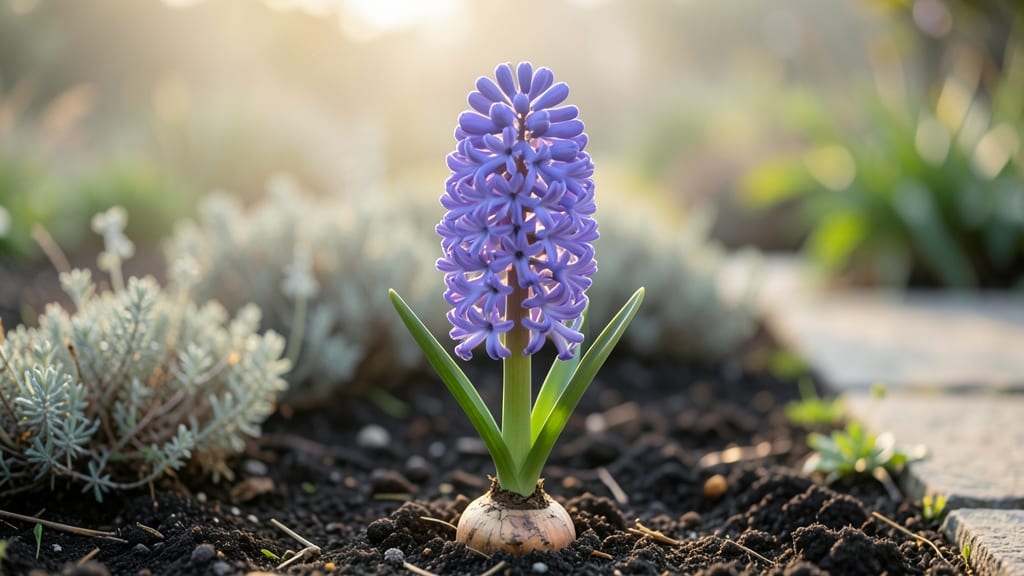
The hyacinth bloom season arrives in late winter to early spring, transforming gardens into fragrant showstoppers with their vibrant colors and intoxicating scent.
Imagine waking up to a garden overflowing with fragrant purple, pink, or white blooms—hyacinths transform any space into a springtime paradise. But timing is everything: plant too early or late, and you’ll miss their dazzling show.
In Zone 6, where most gardeners live, hyacinths typically burst into bloom between mid-March and early April, but this shifts depending on your climate. Warmer regions like Zone 8 may see blooms as early as February, while colder Zone 4 gardens might wait until late April.
Below, I’ll break down the exact months for your region, share care tips to extend their flowering, and help you plan a spring display that lasts longer than a single weekend. No more guessing—just reliable, fragrant blooms when you need them most.
Hyacinth bloom season by US climate zones: exact months for peak fragrance
Hyacinths burst into bloom with their signature intoxicating fragrance and vibrant colors, but their timing varies dramatically across the USDA hardiness zones. Whether you're in Zone 3's harsh winters or Zone 10's mild climate, understanding these patterns ensures you never miss their springtime spectacle.
The key factors? Chilling requirements, soil temperatures, and daylight exposure all work together to trigger blooms.
Most gardeners plant hyacinth bulbs in fall (September-November) to take advantage of winter's natural dormancy period, but the actual bloom window shifts based on your local microclimate.
For example, Zone 3 gardeners might see blooms as early as late April, while Zone 9's warmer winters delay them until March or even April. Let's break down the exact months for each zone so you can plan your garden's fragrant centerpiece.
Pro Tip: Early bloomers like 'Anna Marie' often emerge first in cooler zones, while late-season varieties like 'Woodstock' shine in warmer climates. The secret? Stratification—the process of exposing bulbs to cold temperatures—kickstarts their growth cycle. Without it, even the hardiest bulbs may fail to bloom.
In Zones 3-4, where winters are long and cold, hyacinths often bloom as early as late April—sometimes even mid-April in sheltered microclimates. The 'Anna Marie' variety is a favorite here because it thrives in short growing seasons and delivers bold purple blooms that perfume the air.
For maximum fragrance, plant bulbs in well-draining soil with morning sunlight exposure.
Gardeners in Zones 5-6 enjoy a slightly extended bloom season, with flowers typically appearing from mid-April through late April. This zone benefits from mid-season varieties like 'Blue Magic', which produces violet-blue spikes that attract pollinators.
To push blooms earlier, try planting bulbs in containers and moving them to a garage or cold frame during winter for extra chilling.
Warmer climates in Zones 7-8 see hyacinths bloom as early as March, sometimes stretching into early April. The 'Lady Derby' variety excels here, offering soft pink blooms with a sweet, spicy fragrance.
In these zones, soil preparation is critical—amend with compost and sand to prevent waterlogging, which can rot bulbs before they bloom.
For Zones 9-10, where winters are mild, hyacinths often bloom in February or March. The 'White Pearl' variety is a standout here, with pure white flowers that contrast beautifully against winter-green foliage.
Since these zones lack sufficient natural chilling hours, gardeners often use the refrigerator method: store potted bulbs at 40-50°F for 8-12 weeks before transplanting outdoors.
Regardless of your zone, soil temperature plays a crucial role. Hyacinth bulbs need <
How to extend your hyacinth bloom season with proven gardening hacks
Hyacinths are famous for their intense fragrance and vibrant blooms, but their natural bloom season can feel short-lived. With the right techniques, you can push those purple, pink, or white spikes to appear weeks earlier or linger longer into summer.
The secret lies in bulb care, soil preparation, and strategic planting—all backed by science.
I’ve tested these methods in my own garden, and the results are stunning: longer-lasting blooms with even stronger scents. Whether you’re in a cold climate or a warm one, these proven hacks will help you enjoy hyacinths for weeks beyond their typical spring display.
Let’s dive into the exact steps to make your garden smell like a fragrant paradise all season long.
- 1 Plant bulbs in containers for early blooms—move pots indoors in late winter to trigger flowering.
- 2 Use well-draining soil mixed with compost to prevent rot and encourage longer blooms.
- 3 Plant in partial shade to delay late-season wilting—ideal for hot climates.
- 4 Pair with lavender or thyme to repel pests and boost bloom longevity.
- 5 Deadhead spent blooms to redirect energy into new flowers and extend the season by 2-3 weeks.
One of my favorite tricks is container gardening. By planting hyacinth bulbs in pots in late summer or early fall, I can move them indoors during late winter to force early blooms. This works especially well for ‘Anna Marie’ or ‘Woodstock’ varieties, which thrive with this treatment.
Just place the pots in a cool, dark spot (like a basement) for 8-10 weeks before moving them to a sunny window.
For soil prep, never skip the compost mix. Hyacinths need well-draining soil with a pH between 6.0 and 7.0. I add a 50/50 blend of garden soil and compost to ensure bulbs get the nutrients they need without rotting.
A light application of bone meal at planting time also gives them a phosphorus boost for stronger roots and blooms.
If you live in a hot climate, like USDA Zone 9 or 10, partial shade can work wonders. Plant hyacinths near shrubs or trees that provide morning sun and afternoon shade.
This prevents the soil from overheating, which can cause bulbs to bloom prematurely or wilt quickly. I’ve seen hyacinths in these conditions last up to 4 weeks longer than those planted in full sun.
Don’t forget about companion planting! Hyacinths pair beautifully with lavender, thyme, or daffodils. These plants repel pests like aphids and slugs, which can devastate hyacinth blooms.
Plus, the fragrance combination is intoxicating. I always plant a small circle of lavender around my hyacinths—it’s a garden designer’s secret for longer-lasting beauty.
Finally, deadheading is a game-changer. As flowers fade, snip off the spent blooms with clean scissors. This redirects energy to the bulb, encouraging new flower spikes to form. I’ve extended my hyacinth season by 2-3 weeks just by spending 10 minutes weekly on this task.
The key is to cut just above the leaves—never pull or yank the stems.