
Blooming
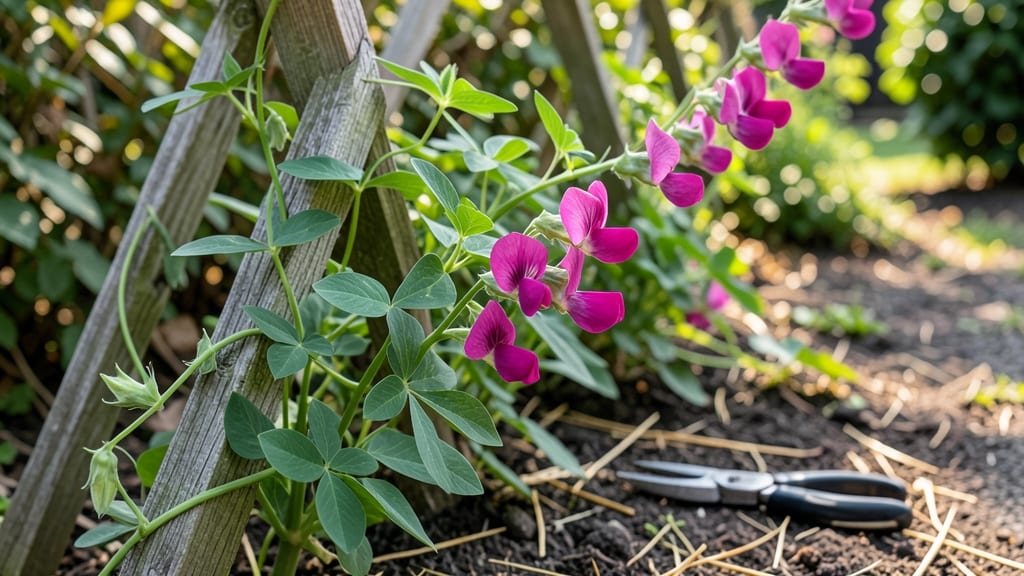
The sweet peas blooming season arrives in spring and summer, transforming your garden into a fragrant, climbing masterpiece—but only if you plant them at the right time.
Picture this: you’ve waited all winter for your garden to wake up, and then—poof—your sweet peas bolt before they even show off their colors. Or worse, they arrive late, just as summer’s heat sets in.
Timing is everything, and getting it wrong means missing out on those velvety petals and intoxicating scents.
In USDA Zone 6a, where I garden, sweet peas typically burst into bloom from June through August, but that window shifts dramatically depending on where you live.
Whether you’re in a cooler northern climate or a warmer southern region, knowing your exact bloom season lets you plan for a nonstop floral show.
Below, I’ll break down the precise months sweet peas bloom in your zone, plus the pro tips to stretch their flowering season—so you can enjoy their beauty (and that heavenly fragrance) for as long as possible.
Sweet peas blooming season by USDA hardiness zone: exact months
Sweet peas are cool-season flowers that thrive in moderate climates, but their bloom timing varies dramatically across USDA hardiness zones 3 through 10.
In northern zones (3-5), expect fragrant blooms as early as late May, while southern gardens (8-10) may see flowers from February through April before summer heat sets in. Understanding these patterns helps you choose varieties and plant at the perfect time for a continuous floral display.
Most sweet peas are annuals in all but zones 6-9, where some varieties may self-seed and return as perennials. This means succession planting is key—sow seeds every 2-3 weeks from early spring until mid-summer to enjoy blooms from late spring through fall.
Even in perennial zones, deadheading spent flowers encourages prolonged blooming.
Here’s how to align your expectations with your specific hardiness zone, including adjustments for microclimates like coastal areas or mountain valleys that may shift bloom times by 2-4 weeks.
| USDA Zone | Typical Bloom Start | Peak Bloom Period | Late Bloom End | Climate Notes |
|---|---|---|---|---|
| 3-4 | Late May | June–July | Early August | Short season; plant cold-hardy varieties like 'Early Purple' for earliest blooms. |
| 5 | Early June | June–August | Late August | Extend season with shade cloth in hot afternoons. |
| 6-7 | Mid-May | May–September | October | Ideal for perennial varieties like 'Perfume Delight'; mulch to protect roots. |
| 8-9 | February | February–April | May | Plant heat-tolerant varieties like 'Black Knight' for spring blooms before summer. |
| 10 | January | January–March | April | Sow seeds in fall (October) for winter blooms; avoid summer heat. |
In zones 3-5, where winters are harsh, focus on early-blooming varieties like 'Cupani' or 'Matucana' to take advantage of the short growing season. These types can push blooms forward by 1-2 weeks compared to standard varieties.
Pair them with tall trellises to maximize vertical space and airflow, which reduces fungal diseases like powdery mildew—a common issue in damp spring conditions.
For zones 6-7, where sweet peas often behave as perennials, plan for a two-phase bloom: an early spring flush followed by a late-summer revival if you provide consistent moisture. In these zones, succession planting every 3 weeks ensures you never miss a bloom.
Choose dwarf varieties like 'Tom Thumb' for containers or borders, as they bloom earlier and are less affected by late-season heat.
Southern gardeners in zones 8-10 have a unique advantage—they can enjoy sweet peas in winter and early spring when temperatures are mild. However, summer heat (above 85°F) will cause sweet peas to bolt prematurely or stop flowering.
To extend the season, plant shade-tolerant varieties like 'Blue Moon' near trees or fences and water deeply in the early morning to prevent stress. Avoid fertilizing during hot months, as it encourages leafy growth over blooms.
Microclimates can shift bloom times significantly. For example, coastal areas in zone 7 may see blooms 2 weeks earlier than inland regions due to milder winters. Conversely,
How to time sweet peas planting for peak blooms in your region
Timing your sweet pea planting is the secret to unlocking their full potential. These fragrant climbers typically bloom 60-120 days after sowing, but your USDA zone and local frost dates dictate the perfect window.
In cooler zones (3-6), I start seeds indoors 8-10 weeks before your last frost date, while warmer zones (7-10) can sow directly in fall or early spring for winter blooms.
For continuous blooms, I use a succession planting strategy—sowing new seeds every 2-3 weeks during the growing season. This ensures fresh flowers from early summer until frost.
The key is understanding your first-bloom expectations based on variety: early types like 'Early Sweet' bloom in 60-70 days, while late varieties like 'Black Knight' take 100-120 days.
- 📅 Zones 3-6: Start seeds indoors 8-10 weeks before last frost (typically February-March). Transplant outdoors 2-3 weeks after last frost.
- 🌱 Direct sowing: Plant seeds ½ inch deep in well-draining soil with trellis support installed immediately. Best for zones 7-10 in fall or early spring.
- ⏰ Bloom timing: Early varieties bloom in 60-70 days (June-July), while late varieties bloom in 100-120 days (July-September).
- 🔄 Succession planting: Sow new seeds every 2-3 weeks for continuous blooms until 6-8 weeks before first frost.
- ❄️ Cold-hardy varieties: Choose 'Cupani' or 'Blue Bird' for zones 3-5—they tolerate light frosts and bloom earlier.
- ☀️ Heat-tolerant picks: For zones 8-10, opt for 'Perfume Delight' or 'Painted Lady'—they handle summer heat better and rebloom after deadheading.
Your last frost date is the anchor for planning. For example, if your last frost is April 15, I’d start seeds indoors around February 1 for early blooms.
In southern zones, I often plant in late fall (October-November) for winter-spring blooms—just protect seedlings with row covers if frost threatens.
For peak fragrance, I prioritize morning sunlight and cool evenings. Sweet peas thrive in 60-70°F days and 50-60°F nights. In hot climates, I provide afternoon shade to prevent bud drop and ensure longer-lasting blooms.
Mulching with straw or wood chips also helps maintain even soil temperatures.
Don’t forget to deadhead spent blooms regularly—this redirects energy to new flowers and extends the season by 3-4 weeks. I also fertilize lightly with a 5-10-10 blend every 4-6 weeks during active growth, but avoid over-fertilizing, which can reduce flowering.
With the right timing and care, your sweet peas will reward you with months of fragrant blooms—from early summer until frost. The secret is starting early, staggering plantings, and choosing varieties that match your climate. Happy gardening! 🌿