
Lawn
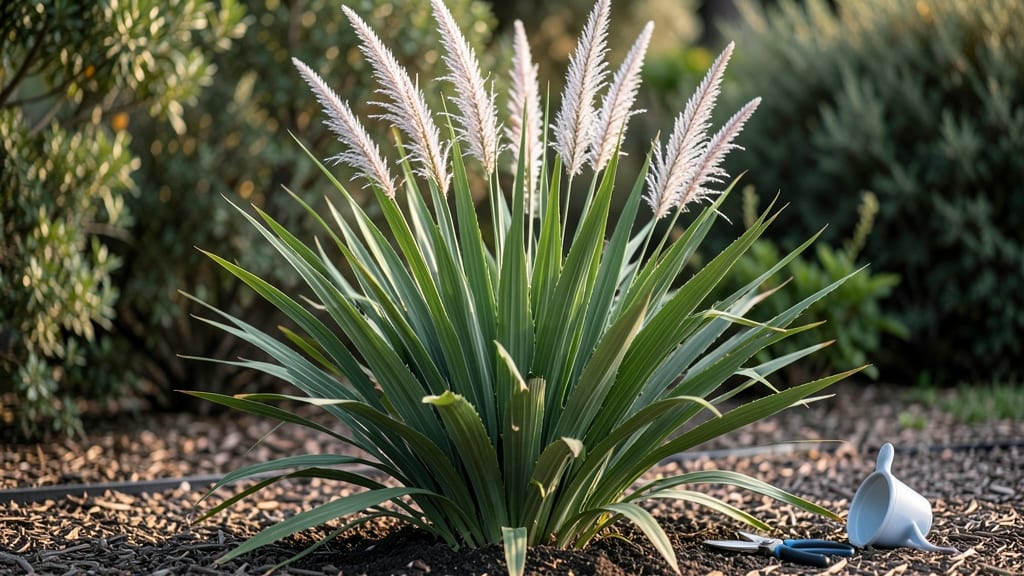
Pampas grass grows best in USDA zones 7 through 10, where it handles temperatures down to 10°F (-12°C) but flourishes in warmer climates. For strongest growth, plant it in early spring after frost danger passes, using well-draining soil and full sun exposure.
This ornamental grass loves heat and sun, making it perfect for Mediterranean or Southern U.S. gardens. 🌞 In colder regions like zone 6b, you’ll need to protect it with mulch or winter wraps to prevent dieback, while tropical zone 10+ climates let it grow year-round with minimal care.
The key is establishing roots before summer heat arrives—spring planting gives your pampas grass a head start for that signature fluffy, feathery growth.
For northern gardeners in zones 7-8, aim for planting between March and May when soil temperatures rise above 50°F (10°C). Southern growers in zones 9-10 can plant year-round, though late winter or early spring still gives plants the best chance to establish before summer’s peak.
Always choose a spot with 6+ hours of direct sunlight—this grass won’t tolerate shade well.
💡 In This Article
- Understanding Pampas Grass Cold Hardiness and USDA Zone Limits
- Optimal Planting Months by Region for Pampas Grass Success
Understanding pampas grass cold hardiness and USDA zone limits
Pampas grass (Cortaderia selloana) thrives in USDA zones 7-10 because its native habitat spans South America's temperate to subtropical regions, where it evolved to handle warm summers and mild winters.
The plant's cold tolerance hinges on its fibrous root system, which can survive brief exposures to 10°F (-12°C)—the threshold for zone 7.
However, prolonged cold or sudden freezes below 20°F (-6°C) can cause leaf dieback, even in established plants. 🌡️ The real magic happens in zones 9-10, where temperatures rarely dip below 30°F (-1°C), allowing continuous growth year-round.
What sets pampas grass apart is its ability to regenerate from its crown (the base where leaves emerge) even after winter damage. In zone 6b (where winters dip to 0°F (-18°C)), gardeners must use protective measures like 3-4 inches of mulch or burlap wraps to insulate the crown.
The plant's feathery plumes often die back in cold snaps but typically regrow in spring from protected roots. In tropical zone 10+, pampas grass grows aggressively with minimal care, though humidity can encourage fungal issues if airflow is poor.
Here's what's happening biologically: Pampas grass stores carbohydrates in its roots during warm months, which fuel regrowth after winter damage. This adaptation explains why established plants in marginal zones (like northern zone 7) often bounce back, while newly planted specimens need extra winter protection.
The plant's deep taproot system (reaching 3-5 feet) also helps anchor it against wind and drought, a key survival trait in its native grasslands. 🌱
For gardeners pushing the limits in zone 6a, consider microclimates—south-facing slopes or near buildings retain heat better. Container growing works too, as pots can be moved to sheltered spots during winter. The trade-off?
Potted pampas grass may grow slower due to root restriction. In contrast, zone 10+ growers can enjoy year-round growth but must watch for pests like scale insects, which thrive in warm, humid conditions.
Temperature extremes also affect flowering. Pampas grass typically blooms in late summer to fall, but cold snaps before 50°F (10°C) can delay or prevent plume formation. In zone 8, for example, a late spring frost might reduce flowering until the following year.
The plant's natural dormancy period in cooler zones helps it conserve energy, but artificial heat sources (like patio heaters) can trick it into premature growth, making it vulnerable to subsequent cold snaps.
One common misconception is that pampas grass is fully tropical—while it loves heat, its cold tolerance makes it surprisingly adaptable. The key difference between zones 7-8 and 9-10 lies in winter care: northern regions require protection, while southern climates offer ideal conditions with minimal intervention.
This dual adaptability is why pampas grass remains a favorite in both Mediterranean and Southern U.S. landscapes. 🌿