
Planting
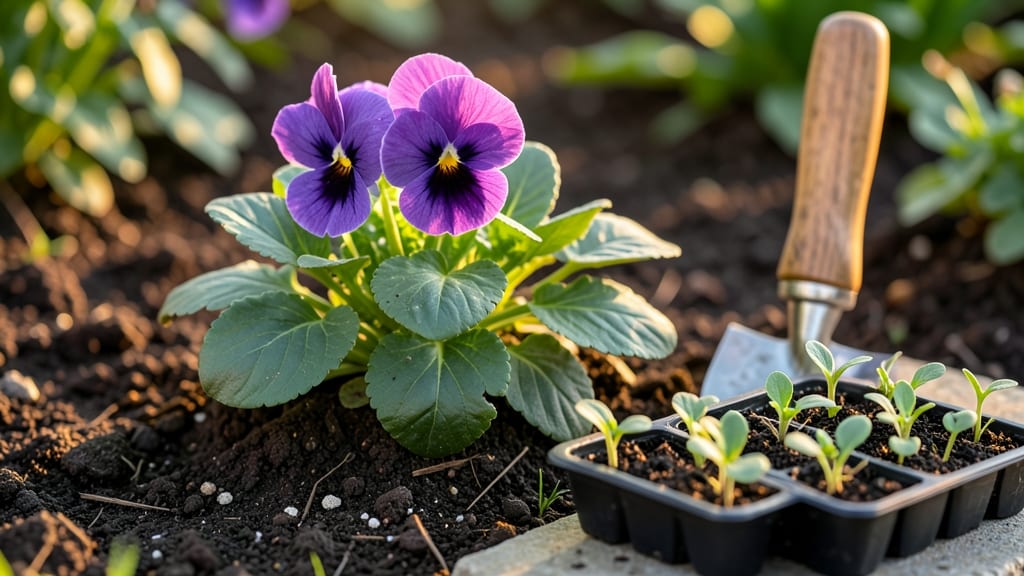
Timing your pansy planting season correctly ensures months of vibrant blooms—get it wrong, and you’ll end up with sparse, short-lived flowers.
Want long-lasting color that thrives through spring or fall? The secret lies in timing: plant too early, and frost zaps your seedlings; too late, and summer heat wilts them before they bloom. I’ve learned this the hard way, watching trays of 🌸 pansies wither in both scenarios.
In Zone 6a (and similar climates), your best bet is March–April for spring blooms or August–September for fall color. But zones farther north or south shift those windows dramatically—sometimes by 6 weeks.
Below, I’ll break down the exact months for your hardiness zone, plus soil prep tricks to give your pansies the strongest start.
You’ll also discover how to stretch blooms into late fall, which varieties handle heat best, and the one fertilizer hack that keeps pansies flowering for 3+ months—no matter what the weather throws at them.


Best pansy planting months by USDA hardiness zone (with exact dates)
Timing your pansy planting by your USDA hardiness zone makes all the difference between winter-long color and wilted disappointment. Pansies thrive in cool weather, so planting too early or late can lead to bolting (premature flowering) or frost damage.
Let’s break down the ideal planting windows for each zone to maximize your blooms.
In cold zones (3-5), pansies can handle light frost and even bloom through winter. Meanwhile, warmer zones (9-11) need fall planting to escape summer heat. The key is planting 6-8 weeks before the first frost for fall blooms or 4-6 weeks before the last frost for spring color.
Let’s dive into the specifics for your zone.
For Zone 3-5 gardeners, planting pansies in mid-August ensures they establish roots before winter while still blooming through fall. In Zone 6-7, you can stretch blooms by planting early August for fall color and late March for spring.
The goal is to avoid late summer heat, which stresses pansies and causes bolting.
In warmer zones (8-11), focus on fall planting to take advantage of cooler temperatures. Zone 10+ gardeners should plant by mid-July to avoid summer’s peak heat.
If you’re in a transition zone (7b-8a), consider two plantings: one in early fall and another in early spring for continuous color.
Pro tip: Soil temperature matters just as much as air temperature. Pansies prefer soil temps between 45°F and 65°F. Use a soil thermometer to check before planting. If your soil is too warm, wait a few weeks or plant in shadier spots to cool the roots.
Don’t forget to harden off your pansies if starting from seedlings. Acclimate them to outdoor conditions over 5-7 days before transplanting. This reduces shock and helps them establish faster. For container gardening, plant in well-draining pots with partial shade to prevent overheating.
Once planted, mulch around the base with 2-3 inches of straw or shredded leaves to retain moisture and regulate soil temperature. In Zone 3-5, this extra layer can mean the difference between winter survival and frost damage.
Remove mulch in early spring to allow soil to warm up for new growth.
With the right timing, your pansies will reward you with months of vibrant blooms. Whether you’re chasing fall color or spring cheer, aligning your planting with your zone’s frost dates is the secret to success. Happy planting!
How to extend pansy blooms: fall vs. spring planting hacks
Pansies are the unsung heroes of seasonal color, but their blooming season can feel disappointingly short if you don’t plan strategically. The key to extended pansy blooms lies in understanding how to leverage fall and spring planting for maximum impact.
In colder zones, fall planting lets pansies establish roots before winter, while spring planting in warmer regions ensures they thrive when temperatures rise.
Many gardeners make the mistake of planting pansies only in spring, missing out on early fall blooms that can last well into winter in mild climates. Meanwhile, in USDA Zones 10+, heat-tolerant varieties can bloom year-round with the right care.
Let’s break down the best strategies for each season to keep your garden vibrant from autumn through spring.
🌸 Pansy Blooming Hacks by Season
For fall planting, aim to get pansies in the ground 6-8 weeks before your first frost. This gives roots time to establish before winter dormancy, ensuring they bounce back with vibrant blooms in early spring.
In USDA Zones 3-7, a thick layer of mulch (2-3 inches) protects roots from freezing temperatures while preventing frost heave.
In Zones 8-11, focus on heat-tolerant pansy varieties like 'Freedom Series' or 'Majestic Giant,' which can handle summer heat better than traditional types. Plant in late summer (August-September) to avoid the hottest months, and provide afternoon shade to prevent wilting. Regular deadheading also encourages continuous blooming.
One common mistake is overwatering in winter, which can lead to rot or fungal issues. Instead, water deeply but infrequently—about every 7-10 days unless you’re in a drought.
In spring, increase watering as temperatures rise, but avoid soaking the foliage to prevent disease. A balanced 10-10-10 fertilizer applied every 4-6 weeks keeps blooms lush and abundant.
To extend blooming seasons, try succession planting: Sow a second batch of pansies in late summer for a fall display, or plant a third batch in early spring to bridge the gap between winter and summer bloomers.
Pairing pansies with cool-season companions like snapdragons or dianthus also creates a longer visual impact in your garden.
Remember, pansies are not heat-loving plants, so in Zones 10+, choose shade-tolerant varieties and plant them where they get morning sun and afternoon shade. With these hacks, you’ll enjoy pansy blooms from fall through spring, proving they’re worth the extra effort! 🌿