
Shrubs
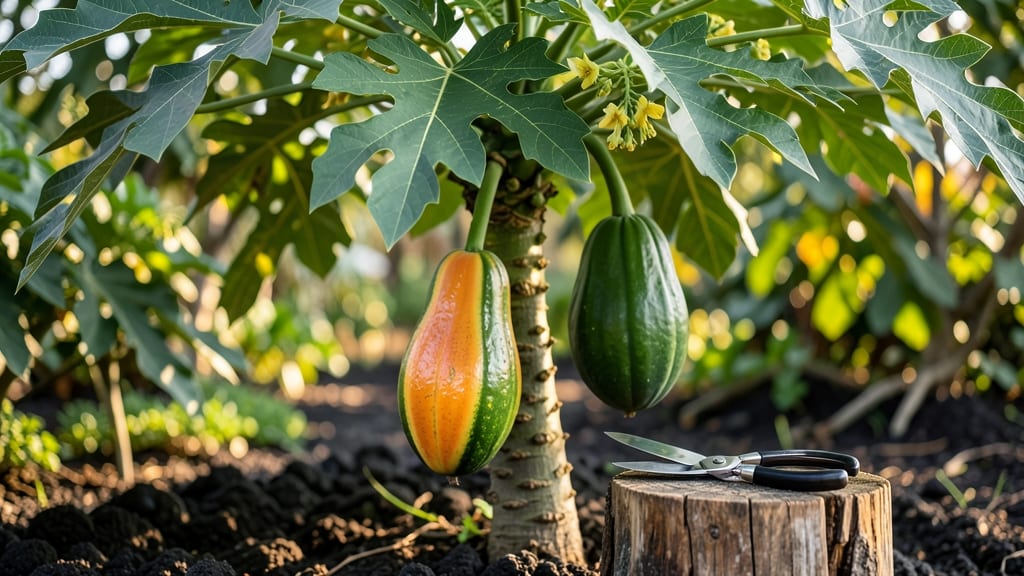
Papaya season in Florida runs from early summer through fall, but timing varies wildly between South Florida's long, steamy harvest and Central Florida's shorter, sweeter window. 🌴 I've watched papayas ripen from Miami's heat all the way up to Orlando's slightly cooler edges, and the difference in fruit quality is night-and-day—South Florida gets bigger yields, but Central Florida's papayas pack more flavor.
Planting starts as early as March in South Florida, where trees fruit year-round if conditions are right, while Central Florida gardeners wait until May to avoid late frosts. The key is matching your planting to the last frost date in your area—papayas hate cold, even as young plants.
Once established, they thrive in Florida's humidity, but watch for papaya ring spot virus, which can devastate crops if you're not proactive about removing infected leaves.
Harvest time brings the real magic: fruit ripens in 6-9 months after planting, with peak season stretching from July through October. You'll know they're ready when the skin turns from green to orange-yellow and gives slightly to gentle pressure.
The first harvest is always the most exciting—nothing beats biting into a papaya still warm from the Florida sun, its sweet flesh bursting with tropical goodness.
Post-harvest, focus on pruning spent flowers to encourage more fruit production and protecting trees from hurricane winds if you're in coastal areas. South Florida gardeners can even overwinter papayas with minimal care, while Central Florida's trees often get pruned back after the first frost.
The secret to year-after-year success? Consistent watering and a little extra fertilizer during peak growing months.
📚 In This Guide
- What you need
- Instructions
- Tips and common mistakes
- Wrapping up and next steps
What you need
- ● Papaya Seeds: High-quality, disease-resistant seeds (e.g., Carica papaya varieties like ‘SunUp’ or ‘Solo’). Aim for 50–100 seeds per plant for optimal yield.
- ○ Potting Mix: Well-draining, peat-based mix (e.g., 50% coconut coir, 30% perlite, 20% compost). Optional: Add mycorrhizal fungi for root health.
- ● Containers or Raised Beds: Seedlings: 4–6 inch pots (biodegradable preferred).
- ● Mature Plants: 18–24 inch diameter containers or raised beds (3’x6’) with drip irrigation.
- ● Fertilizer: Seedling Stage: Balanced 10-10-10 NPK (1 tbsp per pot).
- ● Fruiting Stage: High-potassium (5-10-10) fertilizer (every 4–6 weeks).
- ● Pruning Tools: Sharp bypass pruners and sterilized shears for harvesting.
- ● Pollination Aid: Soft paintbrush (for hand-pollination if bees are scarce).
- ● Temperature: Warmth-loving! Papayas thrive in 75–90°F (ideal for Florida’s spring-fall seasons). Pro Tip: Use row covers if temps dip below 50°F.
- ● Sunlight: Full sun (6+ hours daily). South-facing beds/containers are ideal.
- ● Soil pH: 6.0–7.0. Test soil and amend with lime if needed.
- ● Watering: Consistent moisture (1–2 inches/week). Drip irrigation prevents fungal issues.
- ● Mulch: Straw or wood chips to retain moisture and suppress weeds.
- ● Trellis or Support: For larger varieties (e.g., bamboo stakes or cattle panels).
- ● Pest Control: Neem oil (for aphids) or yellow sticky traps (for whiteflies).
- ● Harvest Aids: Gloves (papaya latex can irritate skin) and clippers for clean cuts.
Understanding Florida’s papaya harvest seasons by region
Florida’s subtropical climate delivers two distinct papaya harvest windows—here’s how to time your harvests right.
🌱 Step 1: Identify Your Region’s Primary Harvest Window
Florida’s papaya season splits into two main regions: the Florida Keys and South Florida (Miami-Dade, Broward, Palm Beach) and Central Florida (Orlando, Tampa, Ocala). South Florida’s primary harvest runs from October through March, peaking in December-January when temperatures hover between 65-75°F. Central Florida’s season shifts slightly later, from November to April, with the sweetest fruit ripening in February-March when daytime highs stay above 70°F.
Here’s the thing—papayas thrive in warmth but struggle below 50°F. Frost will kill plants outright, so harvest any remaining fruit before November’s first cold snap in Central Florida. I always check the National Weather Service’s frost prediction map two weeks before expected chilly nights to time my final harvests.
☀️ Step 2: Monitor Fruit Ripening Cues
Papayas don’t ripen like tomatoes—they rely on ethylene gas triggered by their unique yellow-orange skin color change. Start checking fruit in South Florida by late November and in Central Florida by late December. Look for the skin to shift from green to yellow with orange blush—this signals sugar development. A ripe papaya will also feel slightly soft when gently squeezed (like a ripe avocado) and emit a sweet, tropical aroma near the stem.
Don’t wait for full orange—overripe papayas turn mushy inside. I harvest 3-4 days before full color to catch them at peak sweetness. If you miss the window, refrigerate unripe fruit to slow ripening (they’ll last 5-7 days this way).
⏰ Step 3: Time Harvests by Variety and Pollination
Florida’s most common varieties—Solo, Red Maradol, and Golden Honey—have different ripening speeds. Solo papayas (self-pollinating) ripen 70-90 days after flowering, while Red Maradol (hand-pollinated) takes 9-12 months. Track your plant’s flowering date and add the variety’s days-to-maturity to estimate harvests. For example, if your Solo blooms in mid-January, expect fruit ready by late March to early April in South Florida.
I mark flowering dates on a garden calendar with the variety name. This prevents guessing—especially critical for hand-pollinated types like Red Maradol, where missed pollination means no fruit. Use a soft paintbrush to transfer pollen from male to female flowers in the morning for best results.
🌿 Step 4: Extend the Season with Strategic Planting
To enjoy papayas year-round, plant two batches: one in early spring (March) for summer harvests and another in late summer (August) for winter fruit. South Florida’s warmer winters let you harvest August-planted fruit as early as December, while Central Florida’s shorter season may only yield February-March harvests from late-summer plantings. Choose dwarf varieties like SunUp for container growing—they ripen faster and tolerate cooler nights better.
Real talk: Florida’s humidity speeds up ripening, so shade-cloth (30-40%) during summer’s 90°F+ days prevents sunburn and extends harvest windows. I drape lightweight shade over plants in June-July and remove it by September to maximize fall fruit set.
✂️ Step 5: Post-Harvest Care to Prolong Enjoyment
Harvested papayas last 3-5 days at room temperature but 2-3 weeks refrigerated. To slow ripening, place them in a paper bag with a banana (ethylene producer) and check daily. Overripe papayas make smoothies or fermented drinks—don’t waste them! For long-term storage, puree and freeze in ice cube trays (thaw for smoothies or baking). I freeze 1/2 cup portions labeled by date to use within 6 months for best flavor.
Save seeds from your best fruit to start next season’s plants. Rinse seeds, dry them, and store in a cool, dark place for up to 3 months. Florida’s heat means fast germination—soak seeds for 12 hours before planting in well-draining soil with 50% perlite to prevent rot. Seedlings sprout in 7-14 days at 75-85°F.
Tips & tricks for perfect Florida papaya harvest timing
Timing your papaya harvests in Florida’s two distinct climates requires precision—here’s how to maximize your tropical bounty.
Regional Temperature Strategy: South Florida’s 65-75°F window from October to March creates ideal conditions for ripening, while Central Florida’s 70°F minimum in February-March is non-negotiable. I’ve learned the hard way that letting temperatures dip below 50°F can kill plants overnight—always monitor local forecasts and harvest before the first frost warning. For Central Florida growers, consider using row covers during unexpected cold snaps to protect young plants.
Ripening Cues That Don’t Lie: The 3-4 days before full orange color is when papayas reach peak sweetness—this is where most home growers miss the mark. I test ripeness by gently squeezing (like a ripe avocado) and checking for that unmistakable tropical aroma near the stem. Pro tip: If your fruit turns fully orange, it’s past its prime—these make great smoothies but lack the perfect balance of sweetness and texture for fresh eating.
Variety-Specific Pollination Calendar: Solo papayas’ 70-90 day maturity window after flowering means precise timing is everything. I mark flowering dates on a garden calendar with the variety name to avoid confusion—especially critical for hand-pollinated types like Red Maradol that take 9-12 months. For container growers using dwarf varieties like SunUp, I’ve found they ripen 10-15 days earlier than standard plants, making them perfect for small spaces and cooler microclimates.
Season-Extension Hacks: Florida’s humidity accelerates ripening, so I use 30-40% shade cloth during 90°F+ days in June-July to prevent sunburn and extend the harvest window. The key is removing the shade by September to maximize fall fruit set. For Central Florida growers, I recommend planting a second batch in August—these often yield harvests as early as December, giving you a second chance at tropical fruit before winter sets in.
Pro Tips for Papaya Season In Florida
- Timing your papaya harvests in Florida’s two distinct climates requires precision—here’s how to maximize your tropical bounty.
- Regional Temperature Strategy: South Florida’s 65-75°F window from October to March creates ideal conditions for ripening, while Central Florida’s 70°F minimum in February-March is non-negotiable.
- Ripening Cues That Don’t Lie: The 3-4 days before full orange color is when papayas reach peak sweetness—this is where most home growers miss the mark.
Frequently asked questions
Got questions about Florida’s papaya season? You’re in the right place! Here are answers to the most common queries about timing, sourcing, and enjoying this tropical treasure.
When is the best time to find fresh papayas in Florida?
Papaya season in Florida peaks from late spring through early fall (May–September), with the sweetest varieties ripening in June–August. Coastal regions like Miami-Dade and Broward often see earlier harvests, while inland areas may have slightly later availability. Check local farmers' markets for peak-season updates!
Where can I buy fresh papayas during Florida’s harvest?
Your best bets are local farmers' markets (especially in Miami, Orlando, and Tampa), roadside stands, and tropical grocers like Whole Foods or Publix. For direct-from-farm picks, visit Florida’s Tropical Fruit Growers Association for verified suppliers. Pro tip: Call ahead—some farms sell only in bulk!
How do I know when a papaya is ripe?
Look for solid yellow skin with slight softness when gently squeezed—like a ripe avocado. Avoid papayas with green patches or mushy spots. For unripe ones, let them ripen at room temperature for 2–3 days. Never refrigerate until fully ripe! Overripe papayas turn brown and develop a fermented smell.
Can I grow papayas in Florida’s climate?
Papayas thrive in Florida’s USDA Zones 10–11, especially in Miami-Dade, Monroe, and Collier counties. Plant in well-draining soil, provide full sun, and protect young trees from frost (rare but possible in North Florida). Dwarf varieties like ‘Solo’ are great for home gardens. UF/IFAS Extension offers free guides on tropical fruit care.
What do I do if my papaya tastes bland or mealy?
Bland or mealy papayas often mean they were picked too early or stored improperly. Try these fixes:
- Ripen further: Place in a paper bag with a banana for 1–2 days.
- Use in cooking: Blend into smoothies, salsas, or baked goods to mask texture.
- Check storage: Papayas spoil fast—store at room temp only until ripe.
Wrapping up and next steps
Florida’s papaya season is a burst of tropical sunshine, offering ripe, vibrant fruit from late spring through summer—with peak harvests varying by region. Whether you’re a local grower or a fruit enthusiast, timing your harvest ensures the sweetest, juiciest papayas packed with flavor and nutrients. 🌴
Now that you’re armed with the harvest timeline and tips, why not take the next step? Visit a Florida farm during peak season, try your hand at growing your own, or whip up a delicious papaya recipe. The tropics are waiting—go enjoy the harvest! 🍈✨