
Blooming
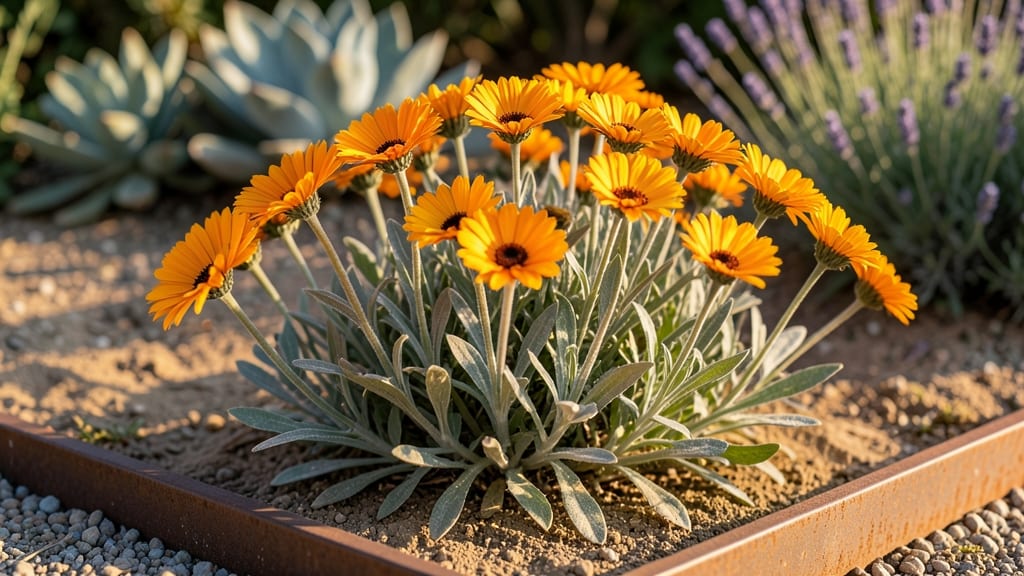
Gazania flowers bloom in late spring through fall 🌼, but their exact season depends on where you live—and how you coax them to last.
If you’ve ever admired gazanias’ vibrant blooms but missed their fleeting beauty, timing is everything. These sun-loving flowers thrive only in precise seasonal windows, and a single misstep can turn your garden into a sea of brown stems by August.
In warmer zones like 9b-11, gazanias burst into color as early as May, while cooler regions treat them as annuals, planting them after the last frost in March or April. The key? Understanding your climate’s triggers—heat, light, and even drought—can stretch their season by weeks.
Here’s how to pinpoint your gazania’s peak months, troubleshoot late blooms, and keep them flowering until frost. We’ll cover everything from zone-specific calendars to simple hacks that make a difference.
Gazania flower season by USDA hardiness Zones: exact months for peak blooms
Gazanias are famous for their sun-loving nature and seasonal blooming windows, but their exact timing varies dramatically across USDA hardiness zones. In frost-free climates like Zone 10-11, these flowers may bloom year-round, while cooler zones (5-8) experience fleeting summer displays.
Understanding your zone’s first frost dates and heat thresholds is key to planning when to plant and when to expect those vibrant, daisy-like blooms.
Gazanias thrive in warm temperatures (70-90°F) and full sun exposure, making them ideal for summer gardens. However, they’re frost-sensitive and will die back with temperatures below 32°F.
This means gardeners in Zones 9-11 can enjoy multiple blooming cycles, while those in Zones 5-8 must treat them as annuals or use season extenders like mulch or shade cloth.
Below is a zone-by-zone breakdown of when gazanias typically begin blooming, their peak flowering months, and how to adjust care for earlier or later seasons. Use this as your garden calendar to time plantings for maximum impact.
| USDA Zone | Avg. First Bloom | Peak Blooming Months | Last Bloom (Before Frost) | Frost Sensitivity | Season Extender Tips |
|---|---|---|---|---|---|
| Zone 5 | Late May | June–August | Early September | Dies at 32°F | Start seeds indoors in March, transplant after last frost |
| Zone 6 | Early May | May–September | Mid-October | Dies at 28°F | Use black plastic mulch to warm soil earlier |
| Zone 7 | Mid-April | April–October | Late November | Dies at 25°F | Extend season with row covers in fall |
| Zone 8 | March | March–November | December (if mild) | Dies at 20°F | Plant perennials in containers for winter moves |
| Zone 9 | February | February–December | Year-round (mild winters) | Dies at 15°F | Deadhead year-round for continuous blooms |
| Zone 10 | January | January–December | Year-round | Dies at 10°F | Use light shade cloth in peak summer |
| Zone 11 | Year-round | Year-round | Year-round | Dies at 5°F | Prune heavily in summer to encourage regrowth |
If you’re in Zones 5-8, timing your seed starting indoors is critical. Begin seeds 8-10 weeks before your last frost date to ensure they’re ready for transplanting after soil warms to 60°F.
For example, gardeners in Zone 6 should start seeds in early March for blooms by late May. In Zones 9-11, you can direct-sow seeds year-round, but expect slower blooming in winter due to reduced sunlight.
For extended blooming seasons, focus on deadheading spent flowers and providing consistent moisture without overwatering. Gazanias are drought-tolerant once established, but they’ll reward you with longer bloom cycles if you maintain well-draining soil and full sun exposure.
In hot climates (Zones 10-11), afternoon shade can prevent bud drop during peak summer heat.
Pro tip: Use mulch around plant bases to regulate soil temperature. In cooler zones, this helps delay frost damage, while in hot zones, it keeps roots cool and hydrated. Pair gazanias with drought-tolerant companions like lantana or portulaca to create a low-maintenance, high-impact summer border.
Remember, gazanias close their blooms in cloudy or cold weather, even if temperatures are above freezing. This is their natural survival mechanism to conserve energy.
If you notice buds forming but not opening, check for adequate sunlight—they need at least 6 hours of direct sun daily to trigger blooming.
For late-season blooms, consider fall planting in Zones 9-11
Climate triggers that extend gazania season: heat, light, and water hacks
Gazanias are sun-worshippers that read the climate calendar like a pro—too little heat or too much water, and they’ll throw a tantrum by skipping bloom time. The secret to extended flowering lies in understanding their three primary triggers: temperature, sunlight duration, and drought cycles.
When you sync these factors, you can push blooms earlier in spring or later into fall, giving your garden a longer burst of color.
I’ve learned the hard way that overwatering in summer or shade from overgrown plants can stall gazanias mid-season. But with the right tweaks—like strategic mulching or adjusting irrigation—you can trick them into thinking it’s always peak bloom season.
Let’s break down how each climate factor works and what you can do to hack the system for more gazania magic.
- 1 Temperature Threshold: Gazanias need consistent temps above 60°F (15°C). Below this, growth stalls. Use row covers in early spring to warm soil faster.
- 2 Sunlight Duration: 6+ hours of direct sun is non-negotiable. If your gazanias get less than 5 hours, they’ll bolt or stop blooming. Prune nearby plants to open up the canopy.
- 3 Drought Tolerance: Gazanias love dry spells—water deeply but infrequently. Let soil dry 2 inches deep between waterings to prevent root rot and encourage blooms.
- 4 Mulch Magic: Apply 1-2 inches of mulch (straw or gravel) to retain soil heat and reduce evaporation. This keeps roots warm longer, extending the bloom window by 3-4 weeks.
- 5 Shade Cloth Hack: In hot climates (Zones 9-11), use 30% shade cloth midday to prevent wilting. This protects blooms while still allowing sunlight for photosynthesis.
One of my biggest breakthroughs came last summer when I realized gazanias close their blooms in heat—a survival trick to conserve water. But if you water deeply at dawn and provide afternoon shade, they’ll reopen and rebloom by evening.
It’s like giving them a cool-down break so they can keep performing.
For early-season blooms, start seeds indoors 8-10 weeks before your last frost date. Use a heat mat to keep soil at 70°F (21°C), which mimics their native African climate.
Once seedlings hit 2 inches tall, transplant them into well-draining soil and harden off gradually to avoid shock.
If you’re in a cooler zone (USDA 7-8), treat gazanias as annuals and plant them after Memorial Day when soil temps stabilize. I’ve had success extending fall blooms by covering plants with frost cloth on cool nights—this buys them 2-3 extra weeks of color before the first frost.
Pro tip: Deadhead spent blooms daily to signal the plant to produce new flowers. I’ve seen gazanias rebloom within 10 days when I remove faded blooms consistently.
Pair this with light fertilization (5-10-10) every 4-6 weeks, and you’ll have a non-stop gazania show from late spring to early fall. 🌼