
Fertilization
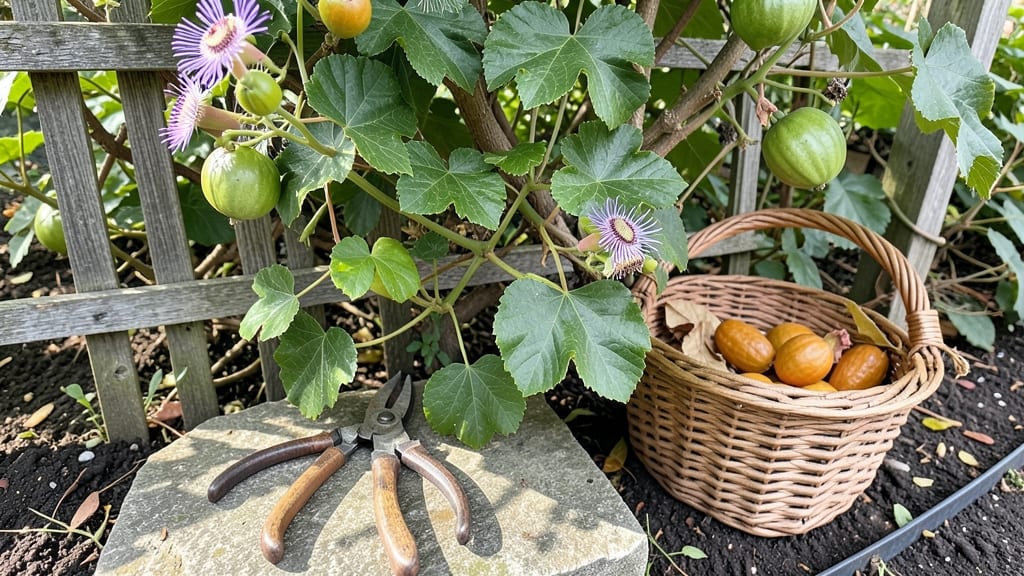
California’s passionfruit season delivers some of the sweetest, most fragrant fruit in the U.S., but timing your harvest right is the key to tropical perfection 🍈.
Picture this: you’ve spent months nurturing your passionfruit vines, and now you’re staring at a cluster of vibrant fruit—only to wonder, Is it ripe or still too early? Miss the window, and you’ll end up with tart, seedy disappointment instead of that luscious, creamy center you’ve been dreaming of.
In California’s diverse climate zones—from the coastal fog of Santa Cruz to the desert heat of Riverside—harvest seasons shift dramatically. Coastal areas often enjoy a longer stretch of ripe fruit from June through October, while inland regions may see a more concentrated peak in late summer.
Here’s what you need to know: how to spot the perfect moment to pick, which varieties thrive in your microclimate, and how to stretch your harvest season for year-round enjoyment—without the guesswork.
California passionfruit harvest seasons by region: when to pick ripe fruit
California’s passionfruit vines thrive in the Mediterranean climate, but harvest timing varies dramatically by region and microclimate. In cooler coastal areas, fruit ripens later, while inland desert regions often see earlier harvests.
Understanding these variations ensures you pick fruit at peak sweetness—when the skin wrinkles slightly and releases easily from the vine.
The ideal harvest window spans from June through October, but exact months depend on your location.
Northern California’s Santa Barbara and San Luis Obispo regions typically yield ripe fruit from late July to September, while Southern California’s Riverside and San Diego areas often see harvests as early as June and stretching into early November.
| Region | Peak Harvest Months | Microclimate Notes | Ripening Window |
|---|---|---|---|
| Northern CA (Santa Barbara, San Luis Obispo) | Late July – September | Cooler coastal fog; 10-11 USDA zones | 180–210 days to ripen |
| Central Coast (Monterey, Santa Cruz) | August – October | Moderate temps; 9b-10 zones | 200–240 days to ripen |
| Southern CA (Riverside, San Diego) | June – Early November | Hot inland valleys; 10b-11 zones | 150–180 days to ripen |
In Santa Barbara and San Luis Obispo, the cooler coastal climate delays ripening until late summer. The marine layer can slow vine growth, so expect fruit to take 200+ days to mature. Prune vines aggressively in early spring to encourage faster fruiting and avoid overcrowding.
For Monterey and Santa Cruz, the Central Coast’s moderate climate creates a longer harvest window from August through October. These areas benefit from warmer afternoons but cooler nights, which enhances fruit sweetness. Monitor for humidity-related diseases like powdery mildew during these months.
The Southern California desert regions like Riverside and San Diego offer the earliest harvests, often starting as early as June. The hotter inland valleys accelerate ripening, but vines require extra watering during summer heatwaves. Use drip irrigation to maintain consistent moisture without wetting foliage.
Microclimates within regions can shift harvest timing by 2-4 weeks. For example, high-elevation areas in Santa Barbara County may see harvests 2 weeks later than coastal plains. Pay attention to local weather patterns—a heatwave in July can push fruit to ripen 10-14 days early.
To maximize your harvest, plant multiple varieties with staggered ripening times. 'Panama Red' often ripens earliest, followed by 'Granadilla', while 'Purple Haze' may linger into November in warmer zones. This strategy ensures a continuous supply of ripe fruit throughout the season.
Always harvest passionfruit in the morning when temperatures are cooler. Use clean pruning shears to avoid damaging the vine, and store ripe fruit in a cool, shaded place for 3-5 days to develop full flavor.
Overripe fruit can ferment quickly in California’s heat, so prioritize consumption within 24 hours of picking.
🌱 For gardeners in transition zones (e.g., Los Angeles Basin), expect a hybrid schedule—coastal areas may align with Santa Barbara’s timeline, while inland neighborhoods follow Riverside’s pattern. Adjust your planting date by 2-4 weeks based on your specific microclimate.
How to extend your passionfruit season: tips for year-round harvesting in California
California’s mild winters and long growing season make it possible to enjoy passionfruit nearly year-round, but most growers see peak production between June and October. The secret to extending your harvest lies in strategic planning—from soil prep to frost protection and smart pruning techniques.
With the right approach, you can enjoy sweet, ripe fruit even in off-season months.
Start by selecting cold-hardy varieties like Purple Haze or Panama Red, which tolerate cooler temperatures better than tropical types. Combine this with microclimate advantages, such as coastal areas or greenhouses, to create ideal growing conditions.
Even in inland regions, these methods can push your harvest into November or even December.
- 1 Soil Enrichment: Amend soil with compost and organic matter (e.g., worm castings) to boost fertility. Test pH—aim for 6.0–7.0—and add lime if needed.
- 2 Pruning for Balance: Prune old wood in late winter to encourage new growth. Leave 3–5 main stems and trim back overcrowded vines to improve airflow and fruit quality.
- 3 Frost Protection: Use row covers or frost cloth for high-desert areas. Mulch heavily with straw or pine needles to insulate roots during cool snaps.
- 4 Companion Planting: Pair passionfruit with marigolds (pest deterrent) or basil (improves flavor). Avoid planting near fennel, which inhibits growth.
- 5 Greenhouse Extension: In cooler regions, use a low-cost greenhouse or hoop house to trap heat. Add black plastic mulch to warm soil faster in spring.
For commercial growers, consider staggered planting—install new vines every 6–8 weeks to ensure a continuous supply. This works especially well in Southern California, where microclimates allow for year-round planting. Even home gardeners can replicate this by propagating cuttings from established vines.
Watering plays a critical role in extending your season. Deep, infrequent watering (every 3–5 days) encourages deeper root growth, making vines more resilient to drought stress and temperature fluctuations. Avoid overhead watering to prevent fungal diseases, which can weaken vines and reduce fruit production.
Finally, monitor your vines for pests like passionfruit wood borers or aphids, which thrive in warmer months. Use neem oil or insecticidal soap as a preventative measure. A healthy vine is a productive vine, and proactive care ensures your passionfruit season stays vibrant all year.
With these strategies, you’ll transform your California garden into a year-round passionfruit powerhouse—no more waiting for summer to enjoy these tropical treasures! 🍈