
Planting
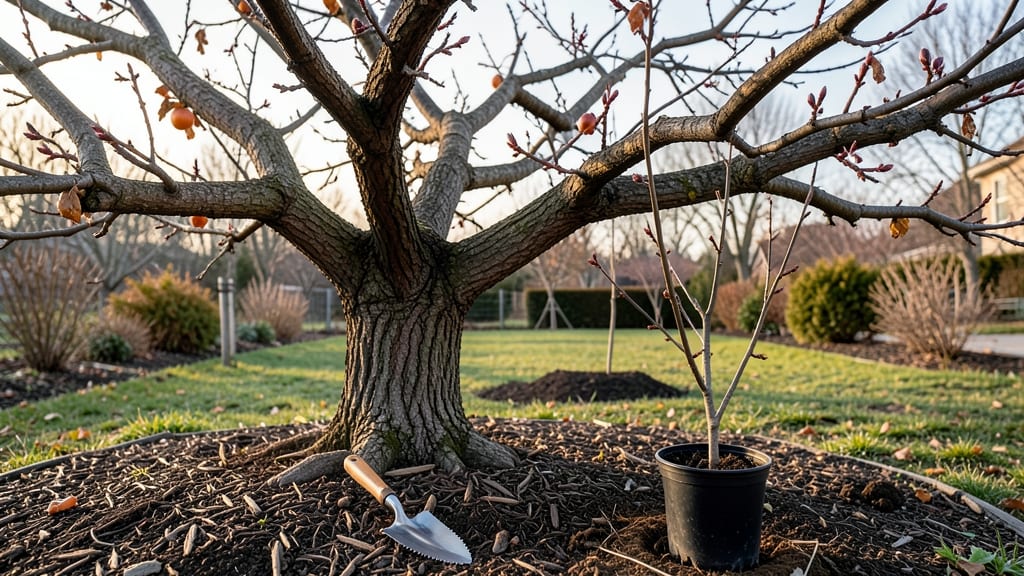
Determining persimmon planting zones depends on the fruit's ripening type: astringent varieties like Fuyu grow best in USDA zones 5-9, while non-astringent types such as Hachiya thrive in zones 7-11, needing 200-400 chill hours for proper fruit development.
Your growing success starts with matching the persimmon type to your climate. 🌱 Astringent varieties can handle colder winters down to 10°F, making them ideal for northern gardens, while non-astringent types need warmer winters to avoid flower damage.
I've seen Fuyu persimmons produce fruit even in zone 4 with proper winter protection, but Hachiya trees struggle below zone 6 without microclimate adjustments. The chill hour requirement isn't just about temperature—it's about consistent cold exposure during dormancy that triggers flowering.
For gardeners in marginal zones, container growing offers flexibility. Smaller varieties like 'Meader' can thrive in pots moved to sheltered spots during winter, while established trees benefit from windbreaks and mulch to retain soil warmth.
Remember that persimmons are sensitive to late spring frosts, so timing your planting becomes just as critical as choosing the right zone.
💡 In This Article
- Understanding Persimmon Chill Hours and Ripening Types
- Best Persimmon Varieties for Your Climate Zone
Understanding persimmon chill hours and ripening types
Persimmons rely on chill hours—the accumulated hours between 32°F and 45°F—to break winter dormancy and trigger flowering. This process is critical because persimmons are deciduous trees that need cold exposure to reset their biological clocks.
Astringent varieties like Fuyu typically require 200-300 chill hours, while non-astringent types such as Hachiya demand 300-400 chill hours.
The difference comes down to their evolutionary adaptations: astringent types developed in warmer climates where winter chill was less intense, while non-astringent varieties evolved in regions with longer cold seasons.
The temperature range matters because it's a sweet spot where metabolic processes slow just enough to induce dormancy but not so cold that the tree suffers frost damage. Below 10°F, persimmon buds can die back, while above 50°F, the chill requirement isn't met.
This is why gardeners in zone 6 might struggle with Hachiya trees—they may not get enough consistent cold exposure.
The flowering process itself is equally sensitive: temperatures must rise gradually in spring to prevent frost damage to delicate blossoms, which can reduce fruit set by up to 70% if exposed to late frosts.
What most gardeners don't realize is that chill hours aren't just about winter cold—they're about consistent exposure over time. A single cold snap won't suffice; it's the cumulative effect that matters.
For example, a tree in zone 5 might get its required chill hours over 3 months, while one in zone 8 might need 5 months of cooler temperatures.
This is why microclimates play such a crucial role: a south-facing slope might get more sun and fewer chill hours than a north-facing valley, even in the same USDA zone.
Astringent persimmons like Fuyu have another advantage: they can tolerate slightly warmer winters because their ripening process doesn't require as much cold. Their fruit develops even with fewer chill hours, making them more adaptable to zones 5-9.
Non-astringent types, however, need that extra cold to properly develop their fruit's sugar content and texture. The difference in ripening type also affects harvest timing: astringent varieties like Fuyu can be eaten firm when ripe, while non-astringent Hachiya must soften completely before consumption—a process that takes longer in cooler climates.
Here's what happens when chill requirements aren't met: the tree may produce fewer flowers, or the flowers may drop before setting fruit. Even if fruit does form, it might remain small, underripe, or develop an unpleasant astringent taste.
This is why choosing the right variety for your zone is so important—it's not just about survival, but about maximizing yield and quality.
For example, in zone 7, a Fuyu tree might thrive with 250 chill hours, while a Hachiya tree could struggle unless planted in a cooler microclimate or given winter protection.
Temperature sensitivity extends beyond winter. Persimmons also need warm summers to properly ripen their fruit. The ideal growing season for most varieties is 180-240 days with temperatures between 70°F and 85°F.
This is why tropical persimmon varieties (like those in zones 10-11) can thrive in warmer climates—they've adapted to longer growing seasons with less extreme temperature swings.
The balance between chill hours and growing season length is what ultimately determines whether a persimmon tree will produce abundant, high-quality fruit in your specific climate.