
Planting
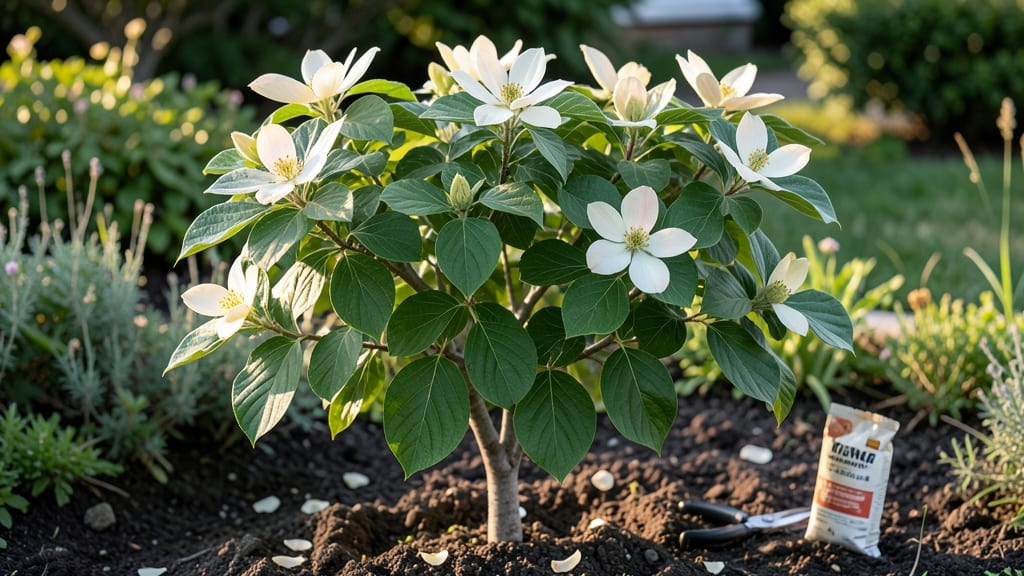
Understanding NYC's planting zones requires looking beyond the official classification.
The city's dense concrete jungle traps heat, creating urban heat islands that can push some areas into Zone 8a territory, while higher elevations like Central Park experience colder microclimates closer to 6b. Wind patterns from skyscrapers also create localized cold pockets that affect plant hardiness.
For gardeners, this means selecting plants based on your specific neighborhood's conditions rather than relying solely on the city's overall zone rating.
This variation explains why a plant thriving in Brooklyn might struggle in the Bronx.
The key is observing your garden's specific conditions over several seasons to fine-tune your planting choices. Native plants like serviceberry and Eastern redbud often adapt best to these fluctuating conditions, while tender perennials may need winter protection in colder microclimates. 🌿
💡 In This Article
- How NYC’s Urban Heat Island Affects Plant Hardiness
- Best Cold-Hardy Plants for NYC Gardens by Microclimate
How NYC’s urban heat island affects plant hardiness
New York City's urban heat island effect creates a dramatic contrast between its official USDA Zone 7a classification and the real-world conditions gardeners face.
The city's concrete canyons and asphalt surfaces absorb and retain heat during the day, then slowly release it at night, raising nighttime temperatures by 5-10°F compared to surrounding rural areas.
This phenomenon pushes some neighborhoods—particularly those with dense buildings and limited green space—into effective Zone 8a territory, where plants can survive 10-15°F colder minimum temperatures than the official rating suggests.
The science behind this involves two key mechanisms: the "urban canyon effect" and "thermal mass." Tall buildings channel wind through narrow streets, creating wind tunnels that can either scour away cold air (raising effective zones) or funnel freezing air into specific pockets (lowering them).
Meanwhile, materials like concrete and asphalt have low albedo (they absorb rather than reflect sunlight), storing heat like thermal batteries. 🌆 For example, areas like Lower Manhattan can experience summer nighttime temperatures 15°F warmer than nearby parks like Central Park, which sits at 6b due to its elevation and open space.
This heat retention has surprising implications for plant selection. While Zone 7a plants like hydrangeas and lilacs thrive in most of the city, heat-sensitive varieties such as camellias (Zone 7b+) may struggle in concrete-heavy areas.
Conversely, cold-hardy plants like Russian sage (Zone 4) can survive in windy, elevated microclimates like the Bronx. The key is observing your specific location's temperature patterns over 3-5 years—many NYC gardeners keep detailed records to adjust their planting zones by half a zone or more from the official rating.
Wind patterns add another layer of complexity. Skyscrapers create turbulent airflow that can either protect plants from cold snaps (by disrupting frost formation) or expose them to damaging winds.
For instance, the wind tunnel effect near the Brooklyn Bridge can create a Zone 6b pocket where tender plants like bougainvillea might need winter protection despite being in Queens. This is why some gardeners in the same postal code may experience completely different hardiness conditions—sometimes just 50 feet apart.
Soil composition plays a hidden role too. Urban soils often contain high levels of compacted clay and construction debris, which insulate roots from temperature extremes. This can make some plants appear hardier than they actually are, as their roots experience more stable temperatures than the air above.
For example, a Zone 7a plant might survive in compacted Manhattan soil when it wouldn't in well-drained Brooklyn soil, where temperature fluctuations are more extreme.
For practical application, consider these adjustments when selecting plants: In heat-island areas (like Midtown), opt for drought-tolerant varieties that can handle higher nighttime temperatures. In windy microclimates (like the High Line), choose wind-resistant plants with flexible stems.
And in elevated areas (like Washington Heights), prepare for colder minimum temperatures than the official zone suggests.