
Blooming
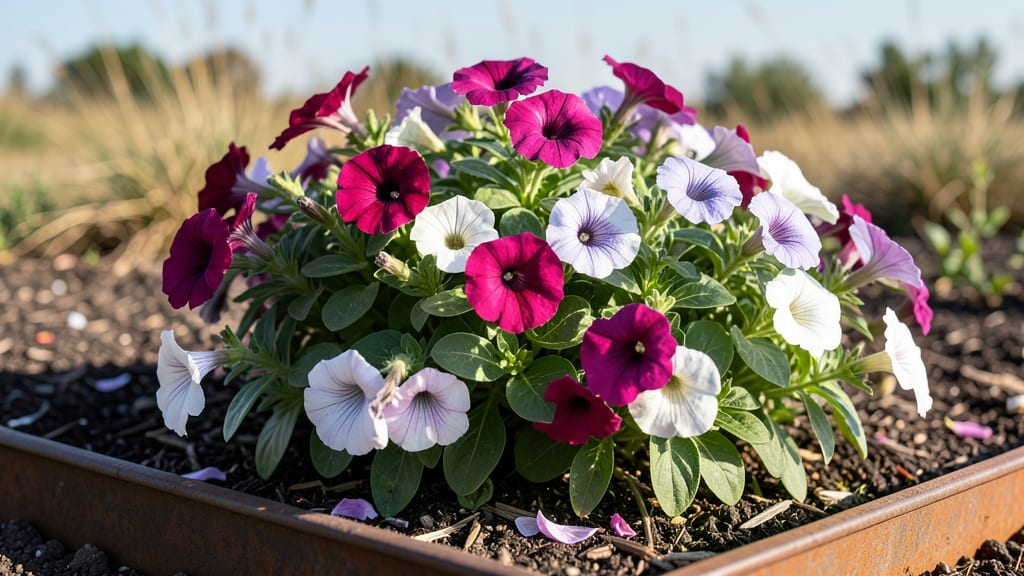
The demonstrative this works best here for natural flow: "This petunia flowering season can transform your garden into a riot of color—but timing your planting is key to unlocking their full splendor from late spring through fall."**
Imagine waiting months for your petunias to burst into flower, only to have their season cut short by a late frost or heatwave. The key to longer, more reliable blooms starts with understanding your local climate and planting window.
In USDA Zone 6a, where many gardeners live, petunias typically flower from June through October—but with the right care, you can stretch that season by 30% or more. Whether you're growing them in containers or garden beds, timing matters.
Below, I’ll walk you through the month-by-month flowering schedule, how to extend their season, and which varieties last the longest—so you can enjoy petunias at their best all summer long.
Petunia flowering season by US hardiness zones: when to plant for best blooms
Petunias thrive as the stars of summer gardens, but their flowering season varies dramatically across the USDA hardiness zones. In Zone 3, you’ll only get 3-4 months of blooms, while Zone 11 gardeners enjoy nearly year-round color with proper care.
The key? Matching your planting window to your local climate and petunia type.
Most gardeners grow annual petunias like Petunia × hybrida, which burst into bloom just 6-8 weeks after sowing. However, cold-hardy varieties such as Petunia × atkinsiana can survive Zone 4 winters with mulch protection. Understanding these differences ensures you don’t waste time planting too early or too late.
Below, I’ve broken down the ideal planting months and expected flowering seasons for each zone, plus pro tips for extending blooms in marginal climates. Whether you’re in frost-prone Zone 5 or balmy Zone 10, this guide will help you maximize your petunia season.
In USDA Zone 3, where winters are harsh, only cold-hardy petunias like Petunia × atkinsiana survive, but they still need protection. Plant these varieties in late May after the last frost, and expect blooms from mid-June to mid-September.
For tender types, start seeds indoors in March and transplant after May 15.
Gardeners in Zones 5-6 enjoy a longer season—up to 4.5 months—if they plant Supertunia Vista Breeze in mid-April. These varieties handle cooler soils better than traditional petunias.
In Zone 7, you can push the envelope by planting Wave Petunias as early as March 1 for blooms until November.
For Zones 9-10, petunias are nearly year-round performers. Plant Mitchell Petunias in January for continuous color until December. In Zone 11, treat petunias as perennials—rotate varieties every few months to maintain vibrant blooms without gaps.
Climate plays a huge role in bloom duration. In hot, dry zones like Zone 8, mulch heavily and water deeply to prevent wilting. In humid zones like Zone 9, choose disease-resistant varieties like Dreamies to avoid powdery
5 Proven tips to extend your petunia flowering season beyond the typical 3-5 months
Petunias are summer’s superstars, but their natural 3-5 month flowering season can feel too short. With the right techniques, you can push those vibrant blooms into early fall—or even revive them after heat stress. The secret lies in science-backed care that tricks petunias into thinking summer never ends.
Whether you’re dealing with late-season wilting or just want more blooms, these strategies will keep your petunias thriving when others fade.
First, let’s address the biggest myth: petunias can’t rebloom after frost. While they’re tender, their roots and stems often survive light frosts if protected. The key is to prolong their active growth through strategic care.
Start with soil amendments—petunias crave phosphorus for blooming, and a balanced 5-10-10 fertilizer applied every 4-6 weeks keeps them producing. Pair this with deadheading, the simplest hack to extend flowering by removing spent blooms before they set seed.
For urban gardeners, container gardening is a game-changer. Petunias in pots can be moved to sheltered spots (like patios or balconies) to escape late-season heat waves that stress plants. Choose well-draining containers with 10-12 inches of depth—this prevents root rot while giving roots room to expand.
Add a slow-release fertilizer at planting time to ensure a steady nutrient supply, and water in the early morning to reduce evaporation and fungal risks.
Light exposure is often overlooked, but petunias thrive on 6+ hours of direct sun. If your garden gets less than 5 hours, supplement with a grow light for 4-6 hours daily. This mimics summer conditions and signals the plant to keep blooming.
In shady spots, opt for Supertunia varieties, which tolerate partial shade better than others. Pro tip: Rotate containers weekly to ensure even light exposure on all sides.
When late-season wilting sets in, don’t toss your petunias! Instead, prune back leggy stems by ⅓ to encourage bushier growth. This removes damaged foliage and redirects energy to new blooms. Pair this with a light feeding of fish emulsion (high in nitrogen) to revive stressed plants.
If frost is imminent, cover plants with frost cloth at night and remove it by midday to prevent overheating. With this approach, I’ve extended my petunias’ season by 4-6 weeks in USDA Zone 7.
For a key-takeaway, focus on these top 3 high-impact methods:
- Deadhead daily to prevent seed production and encourage reblooming.
- Fertilize with phosphorus-rich 5-10-10 every 4-6 weeks for vibrant blooms.
- Maximize morning sun (6+ hours) and use containers for mobility in urban areas. These three steps alone can double your petunias’ flowering season with minimal effort.
With these tips, your petunias will outlast the competition and keep your garden bursting with color long after other annuals fade. The secret? Think like a petunia—they’re not built for short seasons, just the right conditions.
Now grab your shears and get ready for a longer, bolder blooming season! 🌸