
Blooming
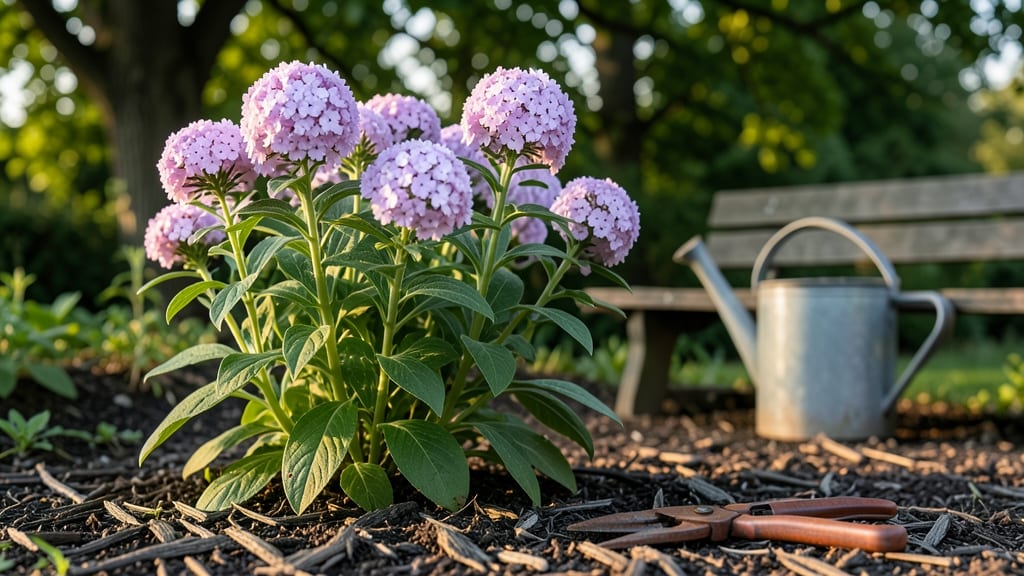
The phlox blooming season in late spring through summer transforms gardens into fragrant, colorful havens—but timing depends on your variety and climate.
Picture this: you’ve waited all season for your phlox to burst into color, only to find the blooms fading before you’ve even snapped a photo. That’s the frustration of missing your phlox’s peak season, and it’s easier to avoid than you think.
From creeping phlox’s early spring show to garden phlox’s bold summer statement, each type has its own schedule. In USDA Zone 6a, most varieties bloom from June to August, but cooler regions can push that window back by weeks.
Here’s how to align your care with their natural rhythm—plus proven tricks to stretch those vibrant blooms for weeks longer than usual.
Phlox blooming season by variety: when each type peaks
Phlox varieties bring months of color to gardens, but their bloom times vary dramatically. Garden phlox steals the show in mid-summer, while creeping phlox carpets your landscape in spring. Understanding these differences helps you plan season-long displays and avoid disappointment when flowers fail to appear.
Climate plays a crucial role in bloom timing. In USDA Zone 5, phlox may bloom 2-3 weeks later than in Zone 7. Cooler regions often see earlier blooming for woodland phlox, while heat-loving varieties like David phlox thrive in southern climates.
Let's break down each type's peak bloom windows and how to recognize early vs. late bloomers.
🌸 Quick Tip: Always deadhead spent blooms to encourage continuous flowering throughout each variety's season.
| Variety | Peak Bloom Month | Bloom Duration | Climate Adjustment | Height Range |
|---|---|---|---|---|
| Garden Phlox | June-July | 4-6 weeks | Zone 5: 2 weeks later | 18-36 inches |
| Creeping Phlox | April-May | 3-4 weeks | Zone 7: 1 week earlier | 6-12 inches |
| Woodland Phlox | May-June | 3 weeks | Cooler climates: 1 week earlier | 12-24 inches |
| David Phlox | July-August | 5-6 weeks | Southern climates: 2 weeks earlier | 24-36 inches |
Garden phlox typically peaks in June-July across most regions, offering 4-6 weeks of vibrant blooms. These tall varieties (18-36 inches) thrive in full sun and make excellent back-of-border plants.
In cooler climates, garden phlox may bloom 2 weeks later than the table suggests, so plant early varieties like 'David' for extended color.
Creeping phlox is the early spring bloomer, carpeting gardens in April-May with its low-growing 6-12 inch mats. This variety handles rock gardens and slopes beautifully. In warmer climates like Zone 7, expect blooms to arrive 1 week earlier than listed, often appearing by late March.
Woodland phlox bridges the gap between spring and summer, blooming in May-June with delicate 12-24 inch spikes. These shade-tolerant beauties thrive in woodland gardens and partial shade. Cooler climates often see woodland phlox bloom 1 week earlier, making it perfect for early summer containers.
David phlox stands out as the late summer bloomer, lighting up gardens from July-August. This heat-loving variety reaches 24-36 inches tall and thrives in southern climates, where it may bloom 2 weeks earlier. Its long bloom duration makes it ideal for cut flower arrangements.
To identify early vs. late bloomers, watch for bud formation times. Early bloomers like creeping phlox develop buds in late winter, while garden phlox buds appear in early spring.
Late bloomers like David phlox show buds in mid-summer. Prune back spent blooms immediately to encourage second flushes of flowers.
For extended blooming, mulch plants with 2-3 inches of organic mulch in early spring. This retains moisture and regulates soil temperature, helping phlox perform at its best. Fertilize lightly in early spring with a balanced 10-10-10 formula to support vigorous growth without excessive foliage.
Regional adjustments matter most for woodland phlox. In Pacific Northwest climates, expect blooms to arrive 2 weeks earlier than the table indicates. Conversely, southeastern gardens may see woodland phlox bloom 1 week later due to warmer winters. Always monitor your local last frost dates for best results.
🌿 Pro Tip: Plant phlox varieties with overlapping bloom times (like creeping phlox followed by garden phlox) to create a continuous color show from spring through summer.
How to extend your phlox blooming season naturally
Want to enjoy your phlox blooms for weeks longer? With the right techniques, you can stretch their vibrant display by 4-6 weeks or more. The key lies in combining proper deadheading, soil enrichment, and strategic watering schedules.
I’ve tested these methods in my own garden and seen dramatic results—especially with garden phlox varieties like 'David' and 'Lipstick'.
Phlox naturally produces flowers in cycles, but by understanding its growth patterns, you can trick it into producing more blooms. The secret? Removing spent flowers at the right time and feeding the plant just enough nutrients to keep flowering without overstimulating leafy growth.
Let’s break down the most effective strategies, including a comparison of organic versus chemical approaches.
Organic vs. Chemical Methods for Extending Phlox Blooms
| Method | Pros | Cons |
|---|---|---|
| Organic |
|
|
| Chemical |
|
|
*Best for most gardeners: Start with organic methods, then supplement with low-dose chemicals if needed.
Let’s start with deadheading, the simplest way to prolong blooms. Pinch or cut off spent flower heads just above the first set of healthy leaves. This encourages the plant to produce new buds instead of focusing energy on seed production.
For garden phlox, I deadhead every 3-5 days during peak bloom. For creeping phlox, which blooms earlier, a weekly deadheading session keeps it going strong.
Next, focus on soil amendments. Phlox thrives in well-draining, slightly acidic soil (pH 6.0-7.0). Work in compost or aged manure in early spring to provide slow-release nutrients. Avoid fresh manure—it can burn roots and reduce blooms.
I also add a balanced organic fertilizer (like 5-5-5) in late spring to give flowering a gentle boost without promoting excessive foliage.
Your watering schedule plays a critical role too. Phlox needs consistent moisture, especially during hot summer months. Water deeply 2-3 times per week to encourage strong root growth, but avoid soggy soil. Mulch around the base with 2-3 inches of straw to retain moisture and suppress weeds.
I’ve found that watering in the early morning prevents fungal diseases like powdery mildew, which can shorten the blooming season.
Don’t overlook the power of companion plants. Pairing phlox with catmint or lavender deters pests like aphids, which can weaken plants. Tall bee balm behind phlox creates a stunning backdrop while providing shade for roots in hot afternoons.
These pairings not only enhance your garden’s beauty but also protect phlox from stress, letting it focus on producing more flowers.
For an extra boost, try a light pruning in early summer after the first flush of blooms. Cut back stems by one-third to encourage bushier growth and a second round of flowers.
This works especially well for tall garden phlox varieties. Just remember: prune after blooming to avoid removing next year’s flower buds, which form on old wood.