
How To
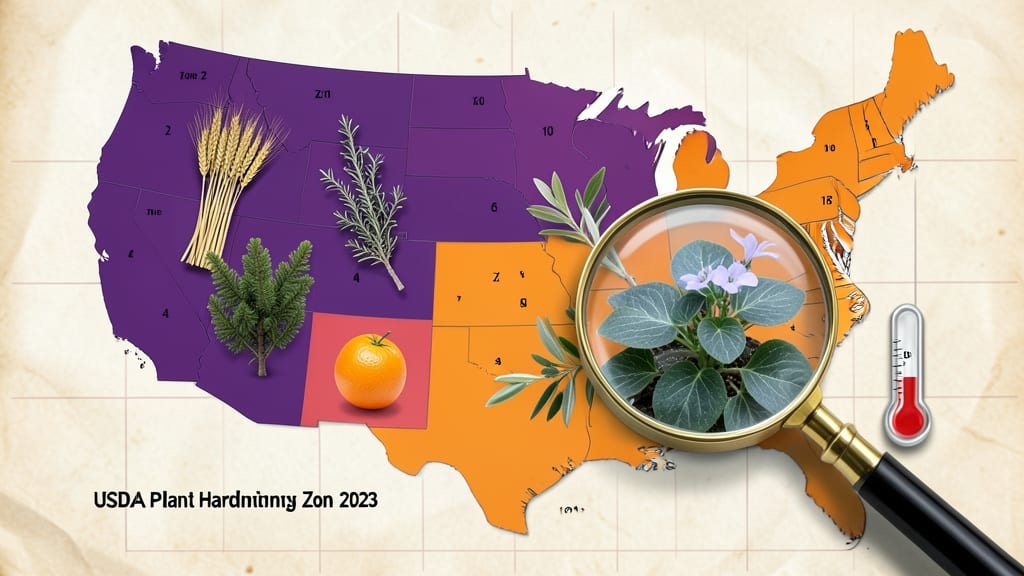
The 2023 planting zones reflect the updated USDA Hardiness Zone Map, which now accounts for 13 new microclimates and rising temperatures from climate change, helping gardeners choose plants that survive their region's coldest winter lows.
The 2023 map represents the first major revision in over a decade, incorporating 30 years of temperature data to create more precise boundaries. This means zones have shifted northward in many areas—some regions now fall into a warmer zone than previously indicated.
For example, parts of New York and Wisconsin have moved from Zone 5 to Zone 6 due to milder winters. 🌱 The new microclimates also account for urban heat islands, where city centers may be 5-10°F warmer than surrounding rural areas, affecting plant hardiness.
To use the updated zones, start by visiting the USDA interactive map and entering your ZIP code. The map shows both your primary zone and nearby microclimates, which can help explain why some plants thrive in your yard while others struggle.
For instance, a north-facing slope might stay cooler than the official zone suggests, while a south-facing wall could be warmer. Adjusting for these local conditions is key to successful gardening in today's changing climate.
💡 In This Article
- How the 2023 USDA Planting Zones Map Differs from Previous Editions
- How to Find and Use Your Planting Zone for Successful Gardening
How the 2023 USDA planting zones map differs from previous editions
The 2023 USDA Hardiness Zone Map represents a monumental shift in gardening science, built on 30 years of temperature data instead of the previous 10-year average. Scientists analyzed 14,000 weather stations across the U.S. to create boundaries that now reflect real-world conditions with unprecedented precision.
The result? Some areas have shifted half a zone warmer—like parts of Michigan moving from Zone 5b to Zone 6a—while others remain unchanged due to localized cooling factors.
What makes this update groundbreaking is the inclusion of 13 new microclimates, tiny areas where conditions differ dramatically from the surrounding region. For example, a south-facing wall might create a Zone 7 microclimate in an otherwise Zone 5 area, while a shady valley could stay cooler.
Urban heat islands—where asphalt and concrete trap heat—can create zones 5-10°F warmer than rural areas just miles away. These microclimates explain why some plants thrive in your yard while others fail, even when they match your official zone.
The map also accounts for shifting frost dates, a critical factor for spring planting. Warmer winters mean later first frosts in many regions, giving gardeners 2-4 extra weeks of growing season.
For instance, Atlanta now has a 14-day later average first frost than in 1990, extending the window for warm-season crops like tomatoes and peppers. This change is particularly important for perennial plants, whose survival depends on winter lows that may no longer match old zone guidelines.
Behind the scenes, the USDA used advanced climate models to predict future shifts, ensuring the map isn't just a snapshot but a tool for adapting to change. The new zones also incorporate low-probability extreme events, like the rare -20°F winter dip that could devastate Zone 6 plants.
This means gardeners must now consider both average conditions and worst-case scenarios when selecting hardy varieties. 🌿
One unexpected consequence? Some traditional cold-hardy plants may now struggle in zones where they once thrived. For example, Russian olive trees, once reliable in Zone 4, may need protection in areas now classified as Zone 5 due to milder winters.
The map forces gardeners to rethink their plant choices, favoring species with flexible hardiness ranges or those adapted to rapid climate shifts.
For data nerds, the map now includes probability layers showing how likely a zone's boundaries are to shift in the next decade. This helps gardeners plan for long-term changes rather than relying on static guidelines.
For example, a Zone 6a area with a 70% probability of warming to Zone 7a by 2030 might prioritize heat-tolerant varieties now to avoid future replanting.
The bottom line? The 2023 map isn't just an update—it's a revolution in gardening precision. It turns guesswork into science, helping you match plants to your land's unique conditions with confidence.
Whether you're a backyard gardener or a commercial grower, these changes mean your plant selections must now account for localized heat pockets, microclimates, and long-term trends—not just a broad zone number. 🌍