
Fertilization
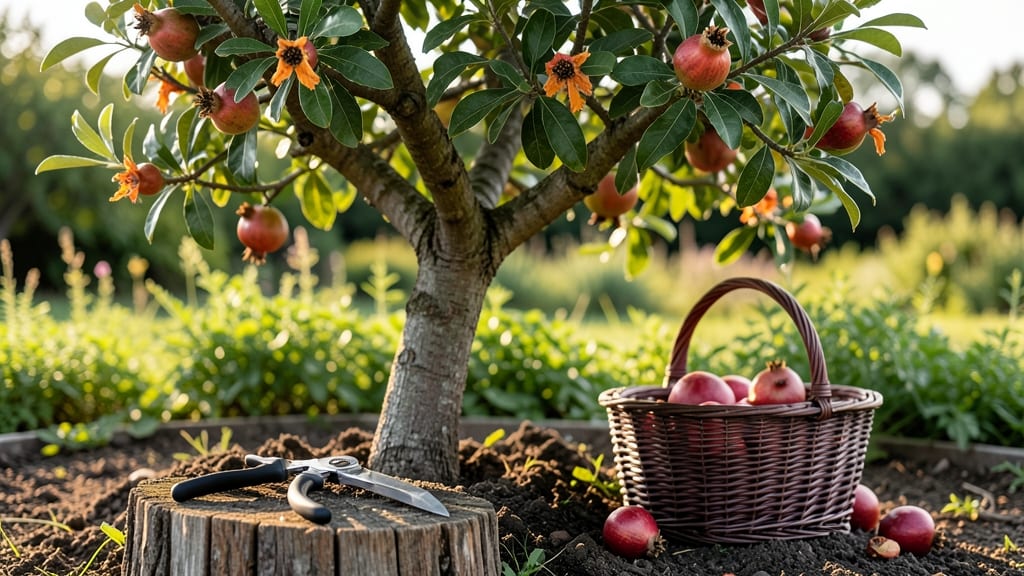
The pomegranate fruit season 🍇 determines whether you’ll bite into sweet, jewel-like arils or end up with tart, underripe disappointment—and the right timing can mean the difference between a harvest and a bust.
Picture this: you’ve waited months for your pomegranate tree to bear fruit, only to crack open a green, mealy pomegranate that tastes more like disappointment than dessert. That’s what happens when you harvest too early—or too late.
The secret? Knowing your region’s exact window for peak ripeness, from California’s desert valleys to Florida’s subtropical heat.
In USDA Zones 8-10, where most pomegranates thrive, the harvest stretches from late September through November—but the sweet spot shifts depending on your microclimate. Too hot? The fruit ripens faster.
Too cool? It lingers on the tree, risking frost damage. I’ll break down the month-by-month cues to spot, plus how to adjust for early or late seasons.
You’ll also discover how to extend your harvest with cold-hardy varieties and greenhouse tricks, so you’re not left scrambling when the first frost hits. Ready to turn your pomegranate tree into a year-round sweet success?
Pomegranate harvest season by US growing regions (exact months)
Timing your pomegranate harvest is everything—pick too early, and you'll get sour, underdeveloped fruit. Wait too long, and the seeds turn mushy. The ideal harvest window shifts dramatically across the US, from subtropical Florida to desert valleys in California.
Let's break it down by region so you can plan your peak ripeness window with precision.
Pomegranates thrive in USDA Zones 8-10, where frost-free growing seasons last 270+ days. In these zones, fruit typically ripens between late September and November, but exact timing depends on microclimates and temperature triggers.
For example, California's Coachella Valley can harvest weeks earlier than Houston's humid subtropical zone.
Here's the key: pomegranates ripen when daytime temperatures consistently hit 85°F+ for 3+ weeks and nights stay above 60°F. This heat signal kicks off the final sugar development phase.
Miss this window, and your fruit won't reach its burstingly sweet potential. Let's dive into the exact months by region.
In the Southern US, where humidity lingers, pomegranates often ripen 2-3 weeks later than in desert climates. Florida's subtropical zone can even see a second flush of fruit in early winter if temperatures stay mild.
Meanwhile, California's desert valleys harvest earliest—sometimes as early as late August—thanks to intense summer heat.
For gardeners in Zone 8 (like Dallas or Phoenix), aim for mid-October harvests. These areas experience hotter days but cooler nights, which slows ripening slightly.
Use a fruit pressure test: ripe pomegranates should yield slightly when gently squeezed at the stem end. If it feels rock-hard, wait 5-7 days.
Northern limits like Zone 9b (e.g., Tucson or San Diego) can push harvests into early December if frost arrives late. The 'Eversweet' variety is your best bet here—it tolerates cooler nights better than most.
In contrast, Zone 10 growers (like Miami) might see year-round ripening with proper care, though peak quality occurs in fall and winter.
Pro tip: Track your local heat degree days (HDD) for precision. Pomegranates need about 1,500-1,800 HDD above 50°F to ripen fully. Use a weather station app to monitor this—it’s the secret to consistent harvest timing regardless of region.
Miss this window, and you’ll end up with sour, seedy disappointment instead of juicy, jewel-like arils.
One more critical factor: water stress in the final 4 weeks before harvest can concentrate sugars and improve flavor. In drought-prone areas like Southern California, reduce irrigation to 50% of normal during this period.
Just don’t let the soil dry out completely—wilting leaves mean your fruit will suffer too.
Finally, store harvested pomegranates at 50-55°F for up to 3 months to preserve sweetness. But nothing beats the burst of freshness from a tree-ripe pomegranate—so mark those harvest calendars now! 🍇
How to tell when pomegranates are perfectly ripe (field guide)
Picking pomegranates too early means tart, underdeveloped fruit, while waiting too long risks splitting or attracting pests. The key is spotting three critical ripeness cues: color, texture, and weight. These signs work for both homegrown trees and store-bought varieties, though climate variations can shift timing by weeks.
Start by examining the rind color. Mature pomegranates transition from green to a deep, crimson or burgundy hue. In cooler climates like Zone 8, this shift happens later (October-November), while Zone 10 trees may ripen as early as September.
A greenish tint means the fruit needs more time on the tree.
Next, perform the gentle squeeze test. A ripe pomegranate feels heavy for its size and yields slightly when pressed near the stem—like a firm, overripe avocado. If it feels light and springy, it’s underripe. Overripe fruit may leak juice or show cracks in the skin.
🍇 Pomegranate Ripeness Checklist
- 1 Rind Color: Deep red/crimson (not green)
- 2 Weight: Feels dense and heavy
- 3 Calyx: Dry and papery (not green)
- 4 Skin Test: Slight give when pressed
Pro Tip: Early-season fruit may ripen faster in hot climates—check weekly after color changes begin.
Don’t overlook the calyx (the flower part at the top). When ripe, it turns brown and papery, while underripe calyxes stay green. This is especially useful for dwarf varieties like 'Nana,' where fruit is harder to spot among foliage.
If the calyx is still vibrant green, wait 1-2 weeks before rechecking.
Common mistakes include harvesting based on size alone—big doesn’t always mean ripe. I once picked a football-sized pomegranate that was still tart because I ignored the color cues. Conversely, waiting until the fruit splits risks bird damage or mold.
The best approach? Harvest when 70% of the fruit shows these ripeness signs, then store the rest on the tree.
For late-season variations, watch for early frost warnings. If temperatures drop below 32°F, harvest any fruit showing 50% ripeness signs—it’ll ripen indoors in 3-5 days.
Place them in a paper bag with a banana or apple to speed up ethylene gas production. Avoid refrigerating until fully ripe, or the seeds will turn mushy.
Mastering these cues ensures you’ll always enjoy juicy, sweet pomegranates—no more bitter surprises! Start practicing now, and by next season, you’ll be the go-to expert for perfect pomegranate picks. 🍇