
Blooming
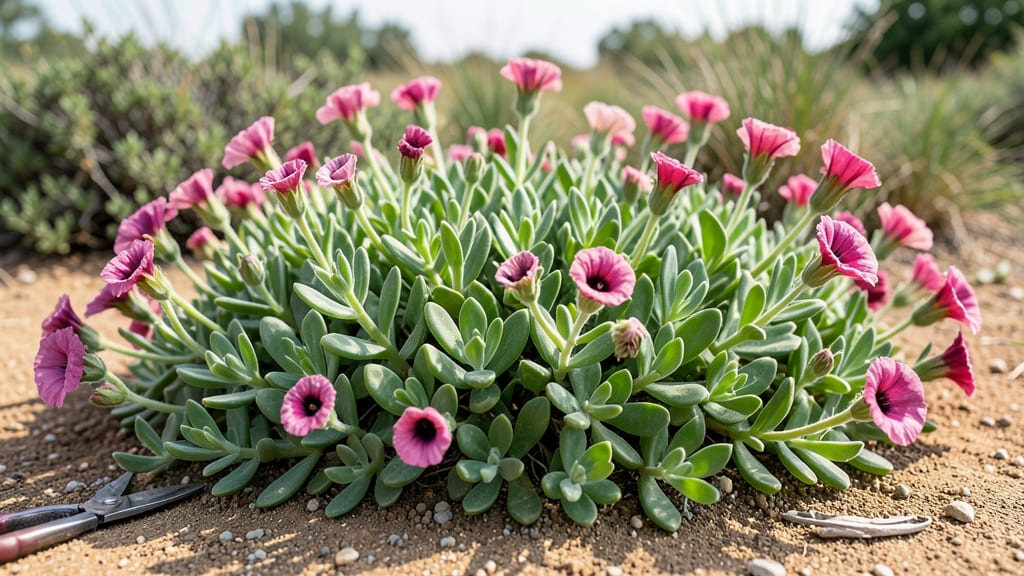
The Portulaca flower season stretches from late spring all the way into early fall, turning your garden into a sun-drenched masterpiece with minimal effort.
If you’ve ever dreamed of a garden bursting with fiery orange, sunny yellow, or deep magenta blooms that thrive in scorching heat, Portulaca 🌸 is your answer—but timing is everything.
Unlike fussy annuals, this drought-loving succulent doesn’t just survive summer; it thrives in it, rewarding gardeners in USDA Zone 6 with vibrant blooms from June through October.
What makes Portulaca so special? It’s the kind of plant that blooms without complaint, even in poor soil or full sun.
But to get the longest possible display, you’ll want to know the secrets—like when to plant, how to deadhead for reblooms, and why it’s better to skip the fertilizer. These simple tweaks can turn a 3-month flowering window into a 5-month spectacle.
In this guide, I’ll break down the exact months Portulaca blooms in your region, how to push those blooms earlier or later, and the one care habit that keeps it flowering until frost. Ready to add a pop of color that won’t quit?
Exact portulaca flowering months by US growing Zones
Portulaca's vibrant blooms transform gardens into sun-drenched canvases, but their flowering timeline varies dramatically across US growing zones. Understanding these patterns helps you plan for the longest possible display of orange, yellow, and magenta blossoms.
Unlike heat-sensitive flowers, portulaca thrives in intense sunlight and poor soil, making it perfect for hot, dry climates—but timing your planting correctly ensures you don’t miss its spectacular show.
The secret to maximizing portulaca's blooming season lies in temperature thresholds and frost sensitivity. In cooler northern zones, it waits for warmth to bloom, while tropical regions enjoy near-continuous color.
By adjusting planting times and care techniques, you can extend blooms from early summer to first frost—or even year-round in warm climates. Let’s break down exactly when to expect those showstopping flowers in your area.
| USDA Zone | Primary Blooming Months | Heat Tolerance (°F) | Frost Sensitivity | Pro Tip for Longer Blooms |
|---|---|---|---|---|
| Zones 3–5 | July–September | Up to 95°F (with afternoon shade) | Dies at 32°F | Start seeds indoors 8–10 weeks before last frost for earlier blooms |
| Zones 6–7 | June–October | Thrives at 100°F+ | Dies at 28°F | Deadhead spent blooms to encourage reblooming until first frost |
| Zones 8–9 | May–November | Peak color at 105°F+ | Dies at 25°F | Use as ground cover in sunny, dry areas for continuous blooms |
| Zones 10–11 | April–December | Heat-loving; no dormancy | None (year-round growth) | Pinch back leggy stems in spring to promote bushier blooms |
In Zones 3–5, where summers are short and winters harsh, portulaca typically waits until July to bloom, with color lasting through September. The key to earlier flowers here is indoor seed starting—plant seeds 8–10 weeks before your last frost date to give them a head start.
These northern gardeners should also provide afternoon shade during heatwaves to prevent stress, as portulaca can handle up to 95°F but wilts quickly if overheated.
Gardeners in Zones 6–7 enjoy the longest natural blooming window, from June through October, thanks to hot summers and mild autumns. Here, portulaca thrives in 100°F+ temperatures and can even rebloom after deadheading faded flowers.
The real trick? Staggered planting—sow new batches every 3–4 weeks to create a continuous cascade of color. This zone’s first frost usually hits around October 15, so plan to harvest seeds from mature plants before temperatures drop below 28°F.
For those in Zones 8–9, portulaca’s blooming season stretches from May to November, with peak intensity during 105°F+ heatwaves. These regions can treat portulaca as a perennial ground cover, planting it in sunny, dry spots where other flowers would struggle.
The only challenge is frost sensitivity—even a light freeze (25°F) will kill the plants, so protect them with row covers if early cold snaps threaten. Mulching with straw can also insulate roots and extend the season.
In Zones 10–11, portulaca doesn’t follow seasonal rules—it blooms nearly year-round with minimal dormancy. Here, the real work is controlling leggy growth by pinching back stems in spring. These heat-loving plants can handle 110°F+ temperatures and even tolerate brief droughts, making them ideal for xeriscaping.
For container growers, use well-draining cactus mix and place pots in full sun to maximize blooms.
Regardless of your zone, the #1 rule for portulaca blooms is full sun exposure. These plants need 6+ hours of direct sunlight daily to trigger flowering. In shadier conditions, they’ll produce more foliage but fewer blooms.
Pair this with well-draining soil—portulaca hates soggy roots—and you’ll unlock its full potential. For gardeners in transition zones (like Zone 7), combining early- and late-season varieties ensures color from June to first frost.
One often-overlooked trick? Soil temperature plays a bigger role than air temperature. Use a soil thermometer to confirm your garden bed has reached 60°F+ before planting—
How to trigger portulaca blooms earlier (or later) in your garden
Want to enjoy portulaca's vibrant blooms weeks before they naturally appear—or stretch their season well into fall? The secret lies in understanding how to manipulate their natural growth cycle.
Unlike many flowers, portulaca thrives on heat and neglect, but with a few targeted techniques, you can control when those fiery blooms make their debut.
Whether you're dealing with short summer seasons or simply want to maximize your garden's color, these methods will help you jumpstart blooms or delay senescence with minimal effort.
Portulaca's flowering response is triggered by temperature shifts, daylight hours, and even soil conditions. By stratifying seeds, warming soil strategically, and using smart pruning, you can create a custom blooming schedule that fits your garden's needs.
Urban gardeners with limited space can even grow portulaca in containers and still enjoy these tricks—no yard required. Let's dive into the science-backed methods that will give you earlier blooms or extended fall color.
3 Science-Backed Tricks to Control Portulaca’s Blooming Timeline
-
1. Cold Stratification for Faster Blooms
Portulaca seeds need a 2-week cold treatment (place sealed packets in the fridge) to break dormancy. Sow 6–8 weeks before last frost for blooms 3–4 weeks earlier than direct-sown plants. This mimics winter conditions and tricks seeds into thinking spring has arrived.
-
2. Soil Temperature Hack
Use black plastic mulch or a heat mat to warm soil to 70°F+ before planting. This accelerates germination and flowering by 10–14 days compared to cooler soil. Ideal for gardeners in cooler climates (Zones 3–6) who want to beat the heat.
-
3. Pruning for Extended Fall Color
Cut back leggy stems by ⅓ in early summer to encourage bushier growth. In late summer, deadhead spent blooms to redirect energy into new flowers—this can add 4–6 weeks to the blooming window. Works especially well for container-grown portulaca.
For urban gardeners or those with limited space, portulaca thrives in containers (minimum 6-inch pots) filled with a cactus/succulent mix. To encourage later blooms, plant in late summer (August) to take advantage of residual summer heat.
Avoid fertilizing—portulaca blooms best in lean, well-draining soil. Instead, top-dress with compost in early spring for slow-release nutrients that won’t overwhelm the plant.
One of the easiest ways to delay senescence is by staggering plantings. Sow seeds every 3–4 weeks from spring through early summer. This creates a cascading effect of blooms, ensuring your garden stays vibrant well into fall.
In warmer climates (Zones 8–11), portulaca may even rebloom after a light pruning in late summer, giving you near year-round color.
Remember, portulaca is a self-seeding annual, so it often returns year after year without intervention. Collect seeds from mature pods (they resemble tiny lanterns) in late fall to save for next season.
With these techniques, you’ll transform your garden into a nonstop bloom machine, enjoying portulaca’s stunning colors exactly when you want them.