
Planting
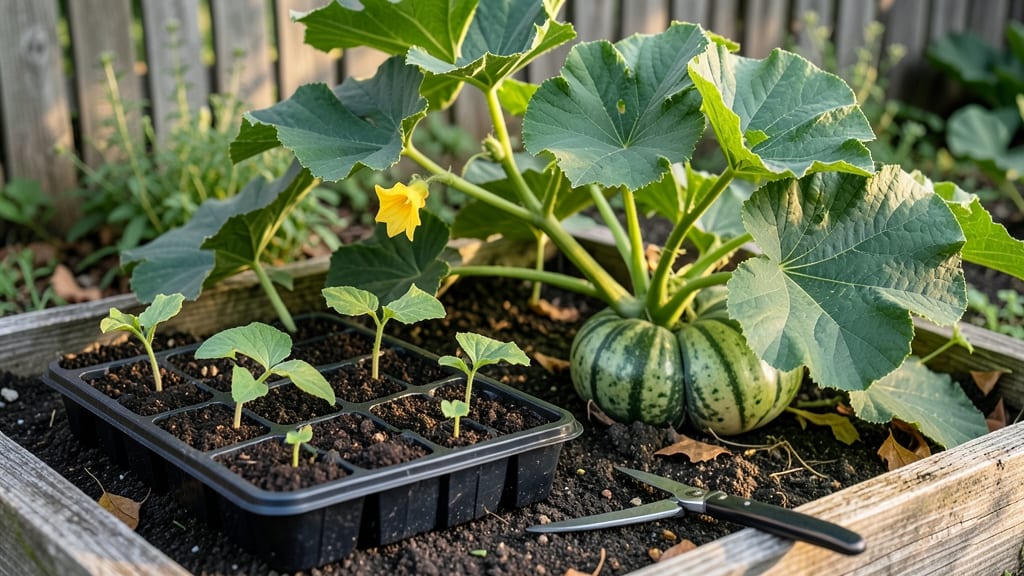
Planting pumpkins during the right season can transform your garden from a patch of vines into a goldmine of harvests—and missing the window means tiny, bitter fruit or none at all.
If you’ve ever stared at a calendar in April wondering whether to plant your 🎃 seeds or wait, you’re not alone. The difference between a 150-pound monster and a sad little pie pumpkin often comes down to timing—and your USDA zone.
In Zone 6a, like many gardeners, you’ve got a narrow window of April to May after the last frost to get seeds in the ground. But what if you’re in Florida or Alaska?
Or if you’re debating between early varieties and slow growers? I’ll break down the exact months for your zone, plus tricks to stretch the season if you’re on the edge.
By the end, you’ll know not just when to plant, but how to prep your soil, pick the right variety, and avoid the three biggest mistakes that kill pumpkin dreams before they even sprout.


Pumpkin planting season by USDA hardiness zone: exact months for success
Getting your pumpkin seeds in the ground at the right time ensures healthy vines and bountiful harvests. Since pumpkins are frost-sensitive, timing depends on your USDA zone and last frost date.
Plant too early, and seedlings will die; too late, and your growing season may be too short for full-sized pumpkins. Let’s break down the ideal planting windows for Zones 3 through 11.
Pumpkins thrive in warm soil (at least 70°F) and need 90-120 frost-free days to mature. In cooler zones, start seeds indoors or use row covers to extend the season. Meanwhile, gardeners in hotter zones should focus on early planting to avoid summer heat stress.
Below, I’ve mapped out the best months to plant by zone, along with soil temperature tips to avoid common mistakes.
| USDA Zone | Ideal Planting Month | Soil Temp (°F) | Frost-Free Days Needed | Key Tip |
|---|---|---|---|---|
| 3-4 | Late May to early June | 70-75°F | 90-100 days | Use black plastic mulch to warm soil |
| 5-6 | Mid-May to early June | 70-75°F | 100-110 days | Choose fast-maturing varieties like 'Jack Be Little' |
| 7-8 | April to mid-May | 65-70°F | 110-120 days | Direct sow after last frost |
| 9-10 | March to early April | 60-65°F | 120+ days | Plant early to avoid summer heat |
| 11 | January to February | 55-60°F | 150+ days | Use shade cloth in peak summer |
Avoid the costly mistake of planting pumpkins too early—even if your soil feels warm, cold nights can stunt seedlings. In Zones 3-4, wait until the soil temperature consistently stays above 70°F before sowing.
Use a soil thermometer to check; if it’s cooler, delay planting or use row covers to protect young plants.
For Zones 5-8, aim to plant 2-3 weeks after your last frost date. This gives seedlings time to establish roots before summer heat arrives.
In my Zone 6 garden, I’ve found that planting in mid-May yields the best results—early enough to avoid frost but not so late that vines struggle in August heat. Choose disease-resistant varieties like 'Howden' or 'New England Pie' for reliability.
Gardeners in Zones 9-11 face the opposite challenge: summer heat can stress pumpkins. Plant in early spring (March or April) to beat the heat. If you miss that window, consider fall planting in September for a winter harvest.
Just be prepared for pests like squash bugs—monitor vines closely and use neem oil if needed.
One common timing mistake is assuming all pumpkins need the same growing season length. Mini varieties like 'Munchkin' mature in 75 days, while giant varieties like 'Atlantic Giant' need 120+ days.
Match your pumpkin variety to your zone’s frost-free window. For example, in Zone 5, stick to smaller varieties unless you’re willing to use row covers to extend the season.
To maximize your harvest potential, prepare your soil at least 2 weeks before planting. Pumpkins thrive in loamy, well-draining soil with a pH
How to extend pumpkin growing season in early or late planting Zones
Living in USDA Zones 1-2 or Zones 10-12 doesn't mean you have to skip pumpkin growing! With the right strategies, you can extend the season and still enjoy a bountiful harvest.
Whether you're dealing with short cool seasons or intense heat challenges, these techniques will help you maximize your pumpkin yield.
For gardeners in frigid northern zones, the key is starting early and protecting young plants. In hot southern or coastal climates, shade and water management become critical. Both scenarios require careful planning, but the results are worth it—a garden full of healthy pumpkins that thrive despite the odds!
Here are my top season-extending strategies tailored to your climate challenges:
In northern climates, I’ve had success with black plastic mulch combined with row covers—this creates a microclimate that keeps soil 10-15°F warmer than ambient temperatures. For southern gardeners, drip irrigation and morning watering prevent fungal diseases while keeping roots cool.
Don’t forget to monitor soil moisture closely in both scenarios. Pumpkins need 1-2 inches of water weekly, but overwatering in heat can lead to blossom-end rot. Use a moisture meter to check soil levels before watering.
With these strategies, you can push the limits of your growing season and enjoy homegrown pumpkins regardless of your zone! The key is adaptation—whether that means protecting from cold or beating the heat, your pumpkins will thank you with a vibrant harvest. 🎃