
Vegetables
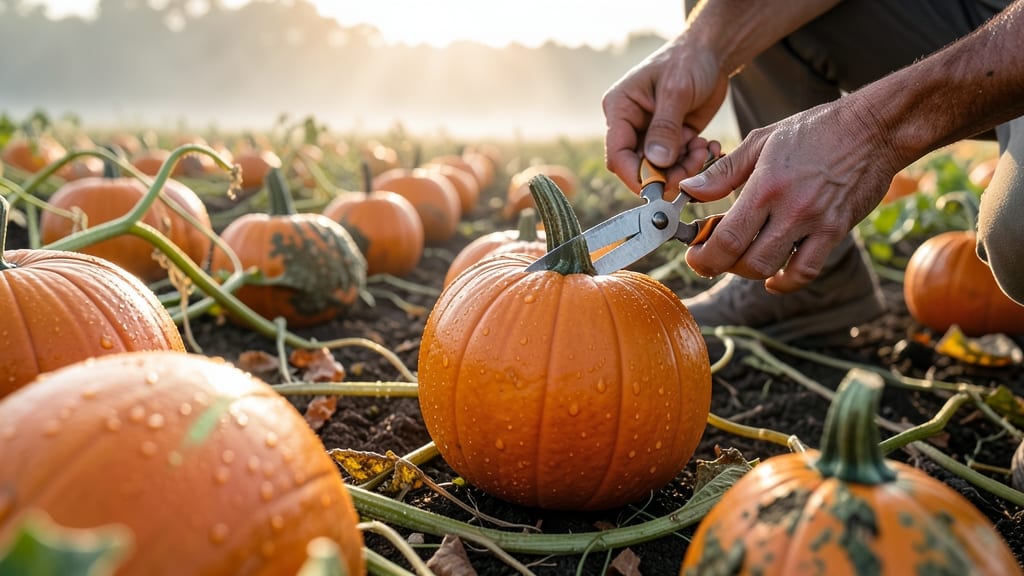
Wondering when to harvest pumpkins in your area? These ten varieties and regional harvest timelines help gardeners pick the perfect pumpkins—from early-season varieties to late-fall giants—plus foolproof ripeness clues to avoid wasting time.
Jack Be Little Pumpkins for Early Fall Harvest
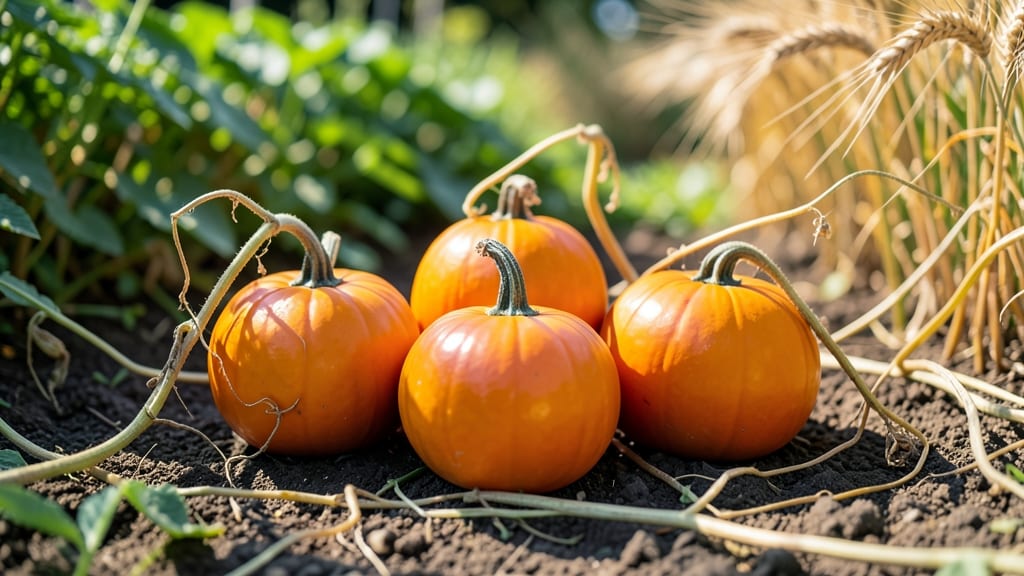
If you live in a northern climate where summer feels like a sprint, Jack Be Little pumpkins are your secret weapon for an early fall harvest. These tiny, 6-8 inch pumpkins mature in just 75-80 days, giving you vibrant orange gourds when other varieties are still dreaming of ripeness.
Perfect for small spaces or containers, they thrive in cooler temperatures and even tolerate light frost—ideal for gardeners in USDA zones 3-8. Their compact vines (3-4 feet wide) make them perfect for urban gardens or balcony planters. Plus, their small size means you can grow dozens in a single bed without sacrificing other crops.
New gardeners and space-challenged growers will love how these pumpkins deliver fast results without requiring a greenhouse. Harvest them in late summer for early carving or cooking—just be sure to cure them for a week in a dry, shady spot first! 🌱
Cinderella Pumpkins Perfect for Southern Harvests
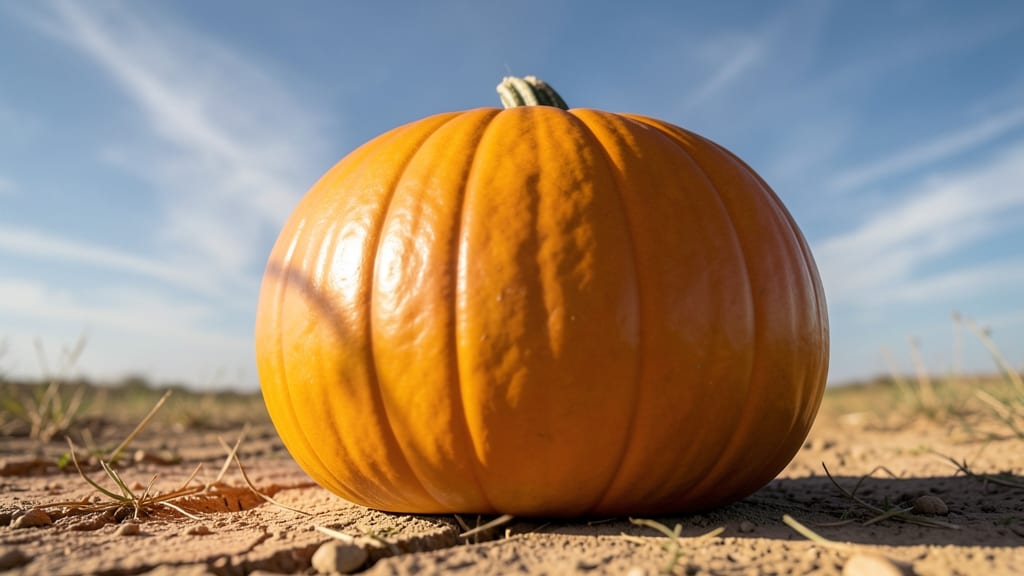
If you live in the southern states where summer heat lingers, Cinderella pumpkins are your secret weapon for a successful harvest. Unlike many varieties that wilt under intense sun, these pumpkins thrive in 90°F+ temperatures while keeping their sweet flavor and vibrant color.
This disease-resistant variety handles humidity and heat without developing powdery mildew or other common issues. Plant seeds after your last frost date (typically late March to early April in most southern regions) and expect harvests between 90-100 days. The key to their success? Consistent moisture—water deeply once a week to prevent stress, and avoid overhead irrigation to minimize fungal risks.
Perfect for gardeners who want low-maintenance, high-reward pumpkins, Cinderella varieties also make stunning decorations with their classic orange hue and smooth skin. 🌟
How to Spot Overripe Pumpkins Using Stem Clues
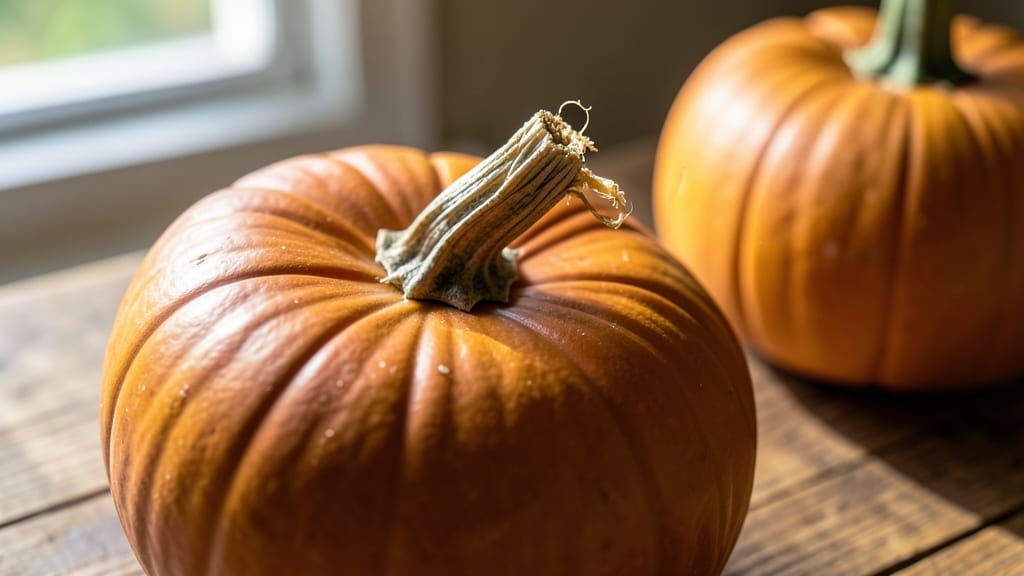
Skip the guesswork when harvesting pumpkins—your stem holds the secret to perfect ripeness. Instead of waiting too long (and risking rot) or picking too early (and sacrificing flavor), focus on the subtle changes in the stem that reveal whether your pumpkin is ready.
A dry, papery stem that snaps easily is your cue that the pumpkin is fully ripe. If the stem is still green and flexible, leave it on the vine for another week or two. For extra precision, check the color: stems should transition from green to tan or brown before harvest. This method works for all pumpkin varieties, from carving giants to sweet pie pumpkins.
This trick saves time, reduces waste, and ensures you get the best-tasting (or best-carving) pumpkins. Beginners and experienced growers alike will appreciate this no-fail method to avoid overripe or underripe pumpkins. 🌟
Giant Atlantic Giant Pumpkins for Late-Season Harvests
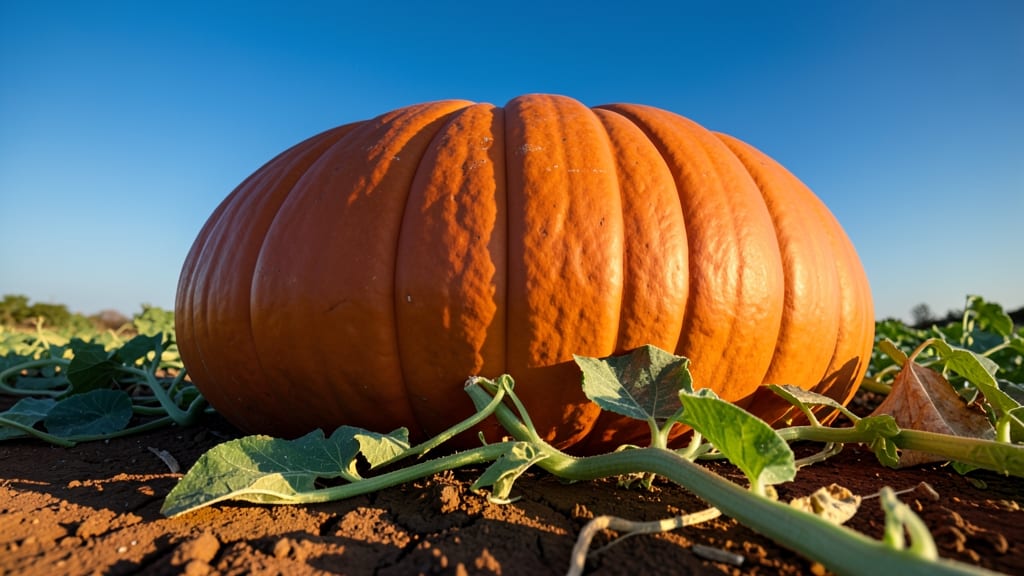
If you dream of growing pumpkins that could rival a small car, the Atlantic Giant is your ticket to late-season glory. These record-breaking monsters need 120+ days of warm weather to reach their full potential, making them perfect for competitive growers in southern and coastal climates where frost comes late—or not at all.
Plant seeds in early spring after all frost danger has passed, spacing them 4-5 feet apart to give vines room to sprawl. Feed them with high-nitrogen fertilizer early on, then switch to phosphorus-rich blends as fruits develop. Water deeply 2-3 times per week, keeping soil consistently moist but never soggy. The key to success? Patience—these giants won’t reach their 50+ pound potential without time and ideal conditions.
This variety is best for experienced gardeners with space to spare and a passion for breaking records. With the right care, you could end up with the pumpkin of a lifetime—literally. 🌟
Sugar Pie Pumpkins for Eastern Harvest Timing
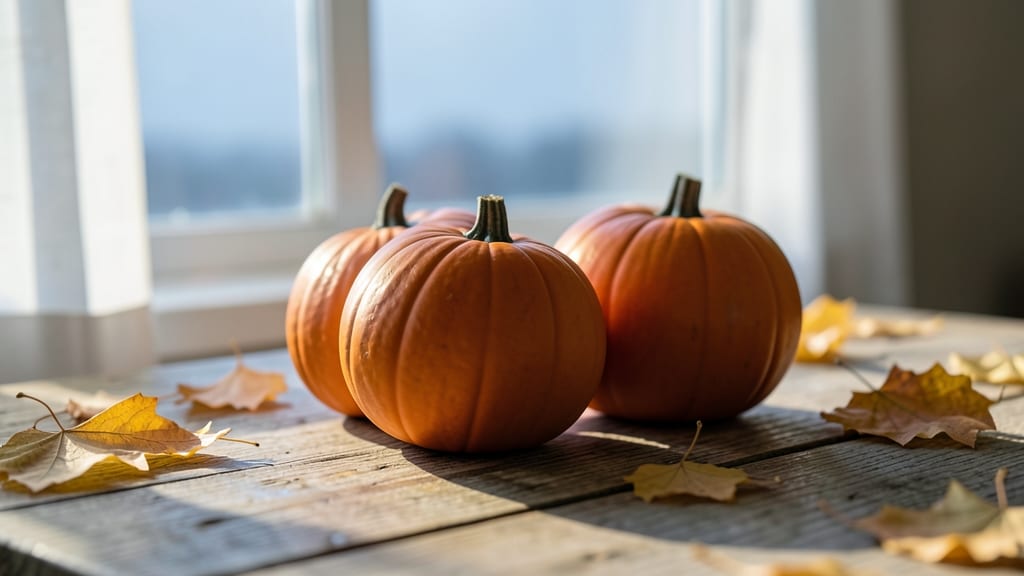
If you’re a Northeast gardener dreaming of homemade pies but frustrated by watery, stringy pumpkin flesh, Sugar Pie pumpkins are your game-changer. These small, dense-fleshed varieties ripen in late September, aligning perfectly with the region’s first crisp autumn days when frost is still a distant threat.
What sets them apart is their thick, sweet flesh—ideal for baking—paired with a compact size (3–5 pounds) that fits neatly on vines without requiring massive garden space. Plant them in full sun with well-drained soil, and watch for the classic papery stem to signal harvest readiness. Their early maturity means you’ll beat the first frosts while still enjoying peak flavor.
Perfect for home gardeners who want flavor over size, these pumpkins are the secret ingredient for foolproof pies and soups. No giant vines or waiting months—just reliable, delicious harvests every year. 🌟
When to Harvest Pumpkins in Pacific Northwest Regions
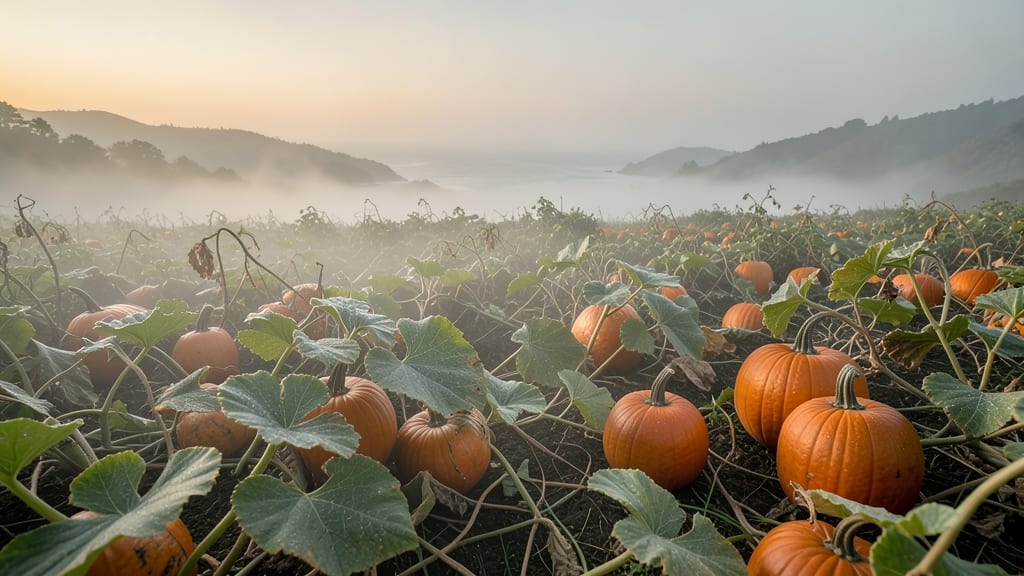
If your pumpkin patch is blanketed in misty mornings and cool ocean breezes, don’t expect the same harvest timing as drier regions. In the Pacific Northwest, cooler maritime climates push pumpkin ripening later—often into October—so plan your garden accordingly.
Choose damp-resistant varieties like Howden, which thrives in humidity and resists rotting before harvest. These pumpkins also handle Pacific Northwest’s shorter daylight hours better than heat-loving varieties. Look for papery stems and a deep orange color before picking, and avoid harvesting after rain to prevent mold.
This timing works perfectly for gardeners who love autumn festivals or late-season carving—just be patient and let the cool weather do its work. 🌱
Carving Pumpkins Ripeness Check Using Thump Test
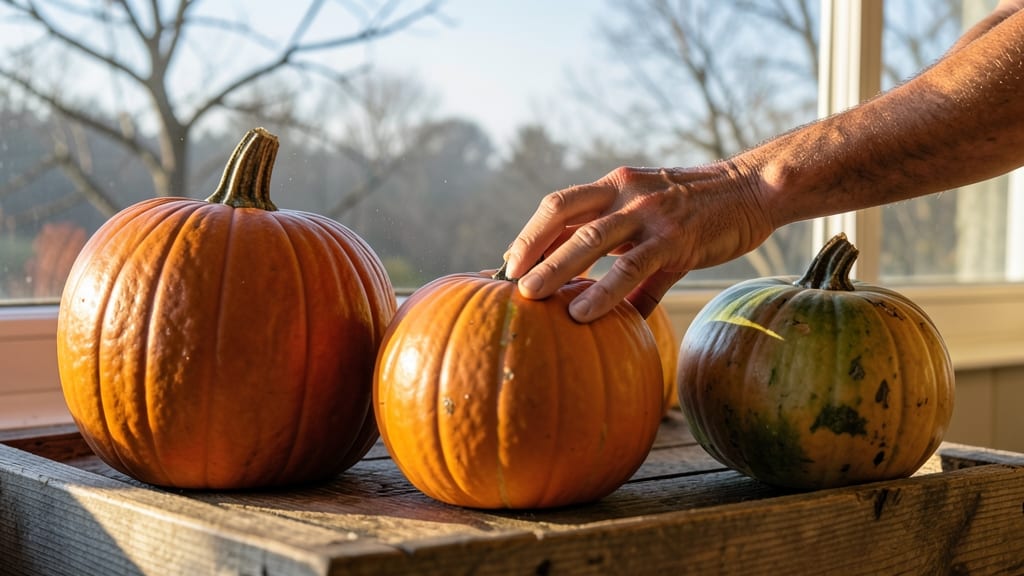
Skip the guesswork this fall and use the thump test—a foolproof way to determine if your carving pumpkins are truly ready. Instead of relying on color alone, give the pumpkin a gentle tap with your knuckles: a hollow, echoing sound means it’s perfect for jack-o'-lanterns, while a dull thud means it needs more time on the vine.
This method works because ripe pumpkins develop a thicker, drier rind that creates an air pocket inside. For best results, test pumpkins in the morning when they’re cool and firm. If you’re growing smaller varieties like Jack Be Little or Cinderella, the thump test is especially useful since their thinner skin can be harder to judge by appearance alone.
Perfect for beginners or anyone who’s ever carved a pumpkin only to find it’s still too soft, this trick saves time and frustration. Just remember: patience pays off for the best carving results! 🌟
Fairytale Pumpkins for Mid-Atlantic Harvest Seasons
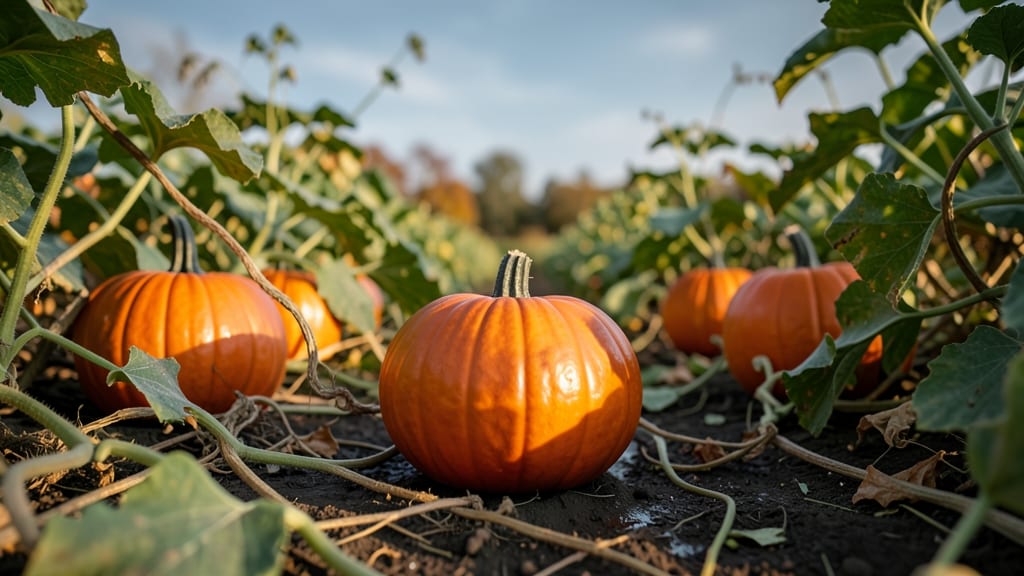
If you live in the Mid-Atlantic and dread unpredictable weather ruining your pumpkin patch, Fairytale pumpkins are your new best friend. These medium-sized varieties ripen reliably in early October, giving you a head start on harvest before frost strikes—or before that sudden rainstorm rolls in.
With their smooth, glossy skin and compact vines, they’re easier to manage than giant pumpkins while still delivering that classic autumn look. They thrive in partial sun (5-6 hours daily) and tolerate brief heatwaves or cool snaps better than many varieties. Plus, their versatile size (8-12 inches) makes them perfect for carving, baking, or decorating without overwhelming your storage space.
This variety is ideal for small-space gardeners or those new to pumpkin growing—just plant them in well-draining soil and watch them flourish with minimal fuss. 🌟
Long Island Cheese Pumpkins for Coastal Harvests
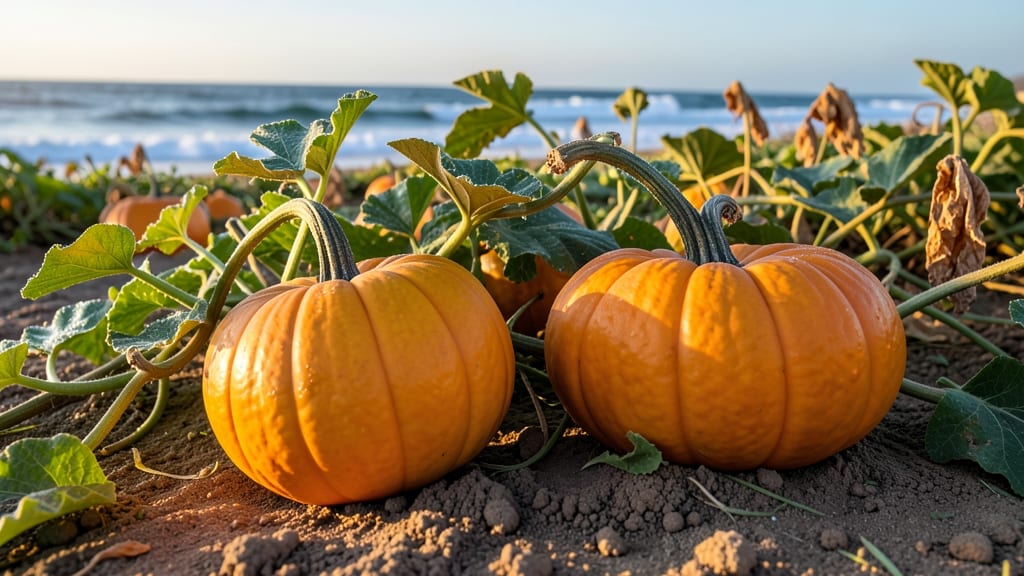
If you live near the coast, Long Island Cheese pumpkins are your secret weapon for thriving harvests. These dense, small pumpkins love the salty air and humidity of oceanfront gardens, ripening reliably in late September when other varieties struggle.
Plant them in well-draining soil with full sun exposure, and watch them flourish even in windy conditions. Their thick skin resists rot, making them perfect for coastal gardens where moisture lingers. Harvest when the stem turns brown and papery—usually by late September—before the first frost arrives.
These pumpkins are ideal for gardeners along lakes or oceans, offering a reliable harvest with minimal fuss. Their compact size also makes them perfect for small spaces or container growing near shorelines. 🌻
Avoiding Pumpkin Rot: Harvesting in Humid Climates

Humid climates turn pumpkin harvests into a race against the clock—morning dew can trigger rot faster than you can say "jack-o'-lantern." The key is harvesting before dawn when stems are dry, using pruning shears to avoid bruising the skin, which creates entry points for mold.
Once picked, cure pumpkins for 10 days in a well-ventilated barn or garage at 80–85°F with circulating air—this toughens the skin and prevents gray mold from taking hold. Store them in a cool (50–55°F), dry space with airflow, checking weekly for soft spots. Humidity-loving gardeners swear by wooden crates over plastic bins to absorb excess moisture.
This method is a game-changer for southern gardeners or coastal growers—where mold can ruin a harvest overnight. With the right timing and storage, your pumpkins stay fresh for months instead of weeks. 🌱