
Blooming
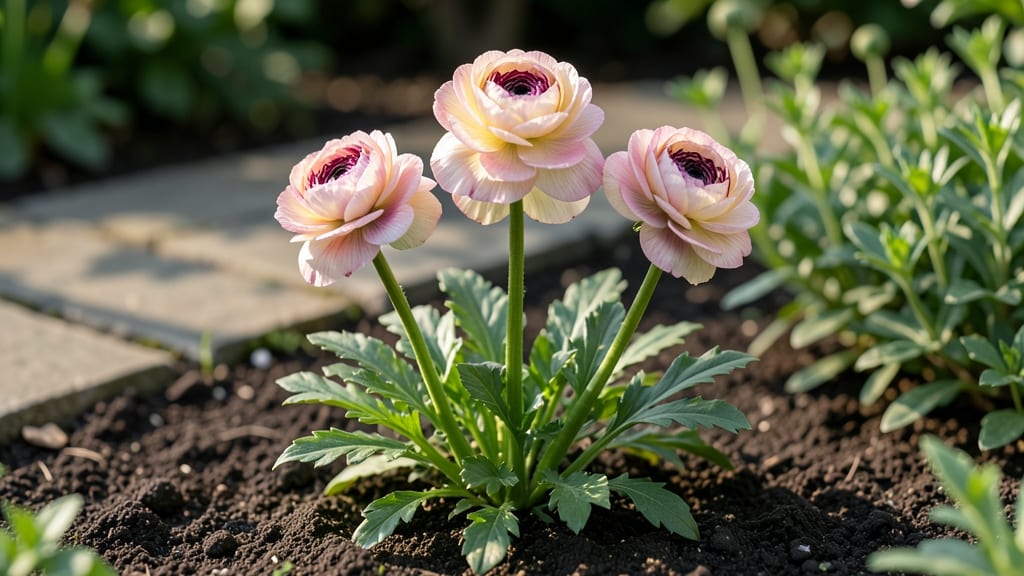
Ranunculus blooms in spring to early summer 🌸, but the exact months depend on your USDA zone—and getting them wrong can mean waiting a whole season for those layered petals.
If you’re dreaming of vibrant, layered ranunculus blooms but unsure when to expect them, timing is everything—especially since their peak season varies dramatically across USDA zones.
In Zone 6 (like most of the Midwest), you’ll see peak color from late April through June, while Southern gardeners in Zone 8 might enjoy blooms as early as March or stretch them into July.
Below, I’ll break down the exact months for your zone, plus pro tips to coax earlier or later blooms—so you never miss a single showstopping flower.
Ranunculus blooming season by USDA zone: exact months for peak color
If you’ve ever planted ranunculus bulbs hoping for a springtime explosion of color, you know timing is everything. These delicate, layered blooms thrive in cool-season climates, but their exact blooming window shifts dramatically depending on your USDA zone.
In Zone 3’s chilly winters, expect blooms as early as late April, while Zone 10 gardeners might see them peak in February. Understanding these variations lets you plan for showstopping displays year after year.
Climate plays a huge role—cold winters trigger dormancy, while mild springs can push blooms earlier. For example, a Zone 7 gardener might see mid-March blooms in a typical year, but a warm winter could shift that to late February.
The key is adjusting your planting schedule based on your zone’s frost dates and average last frost. Let’s break down the exact months for peak color by zone so you can time your garden like a pro.
Pro Tip: Ranunculus bulbs need 6-8 weeks of cold stratification to bloom reliably. If you’re in a warmer zone (like 9 or 10), you may need to pre-chill bulbs in the fridge for 8-10 weeks before planting. This mimics winter conditions and ensures synchronized blooms.
In Zones 3-4, where winters are long and harsh, ranunculus bulbs need maximum cold exposure to break dormancy. Plant them in late summer or early fall (September-October) so they experience winter’s chill.
This ensures blooms arrive by late April, just as other spring flowers like tulips and daffodils are fading. Early varieties can even bloom as soon as late March if forced with a 6-week cold treatment.
Gardeners in Zones 5-6 enjoy a 2-week window for peak blooms, typically from mid-April to mid-May. The key here is soil temperature. Ranunculus bulbs won’t sprout until soil reaches 50°F (10°C).
Use a soil thermometer to track progress—planting too early in cold soil can delay blooms by 3-4 weeks. For consistent results, aim to plant in October or November.
Zone 7-8 gardeners have the advantage of earlier blooms, often starting as soon as February. This makes ranunculus perfect for winter arrangements or extending your cut-flower season. However, heat-sensitive varieties may bolt if temperatures rise above 75°F (24°C). To combat this, plant in partial shade or use shade cloth during peak summer heat. Late varieties can still bloom into early April.
For those in Zones 9-10, ranunculus thrives as a winter bloomer, often peaking in December-January. The challenge here is avoiding summer heat stress. Plant bulbs in fall (October-November) and provide afternoon shade during the hottest months.
Some gardeners even grow ranunculus as annuals in these zones, planting bulbs in late summer for a holiday-season display.
Adjusting your planting schedule based on your zone’s last frost date is critical. For example, in Zone 5, planting in November ensures blooms by mid-April, while in Zone 9, a December planting delivers January flowers.
Always check your local frost calendar and plant 6-8 weeks before you expect the last frost—this gives bulbs enough time to root before spring’s warmth triggers growth.
One common mistake is assuming all ranunculus varieties bloom at the same time. Early varieties (like ‘Buttercup’) can bloom 3-4 weeks before late types (like ‘Persian Jewel’). Mixing varieties in your garden extends your blooming season by up
How to extend your ranunculus season: forcing blooms earlier or later
Want to enjoy your ranunculus blooms for weeks longer? The secret lies in forcing techniques that trick these delicate flowers into blooming outside their natural window. Ranunculus bulbs are dormant-sensitive, meaning they need precise temperature cues to break dormancy.
By adjusting these cues, you can coax blooms 2-4 weeks earlier or even push them into late summer—ideal for cut flower arrangements or extended garden displays.
Cold treatment is the most effective method for earlier blooms. Since ranunculus bulbs require a cooling period (often 4-8 weeks at 35-45°F), you can start this process indoors or in a garage refrigerator 6-8 weeks before your target bloom date.
This mimics winter conditions, signaling the bulbs to sprout sooner. For later blooms, delay planting until late spring or use heat treatment to break dormancy prematurely.
-
Step 1: Chill the Bulbs
Place bulbs in a paper bag with sphagnum moss (kept damp) and store in a refrigerator for 4-8 weeks at 35-45°F. This mimics winter dormancy.
-
Step 2: Plant at the Right Time
For earlier blooms, plant 6-8 weeks after chilling. For later blooms, delay planting until late April or May in cooler zones.
-
Step 3: Use Well-Draining Soil
Plant bulbs 2-4 inches deep in a mix of potting soil and perlite to prevent rot. Ranunculus hates soggy roots.
-
Step 4: Provide Full Sun
Place pots or garden beds in a south-facing location with 6+ hours of sunlight daily. Partial shade delays blooming.
-
Step 5: Fertilize Lightly
Apply a balanced fertilizer (5-10-10) once when shoots emerge. Over-fertilizing causes leafy growth over blooms.
-
Step 6: Deadhead for Extensions
Remove spent blooms to encourage new flower production. This extends the season by 2-3 weeks.
Microclimate adjustments can also shift bloom timing. In warmer zones (8-10), create partial shade with a lightweight shade cloth (30-50%) to delay blooming until late spring or early summer.
Conversely, in cooler zones (3-6), place ranunculus near a south-facing wall or use clear plastic tunnels to trap heat and encourage earlier sprouting.
Timing is critical for cut flower arrangements. If you’re forcing bulbs for Mother’s Day or weddings, start chilling them 8-10 weeks before the event. For holiday displays, aim for late November blooms by chilling bulbs in September and planting in October.
Always monitor soil moisture—consistent dampness (not sogginess) is key to avoiding bulb rot during forcing.
Remember, ranunculus bulbs are perennial in mild climates but often treated as annuals in colder zones. If you’re extending their season, save the bulbs after blooming by letting foliage yellow naturally, then storing them in a cool, dry place for next year’s forced blooms.
With these techniques, you’ll enjoy ranunculus color for months—not just weeks! ✂️