
Blooming
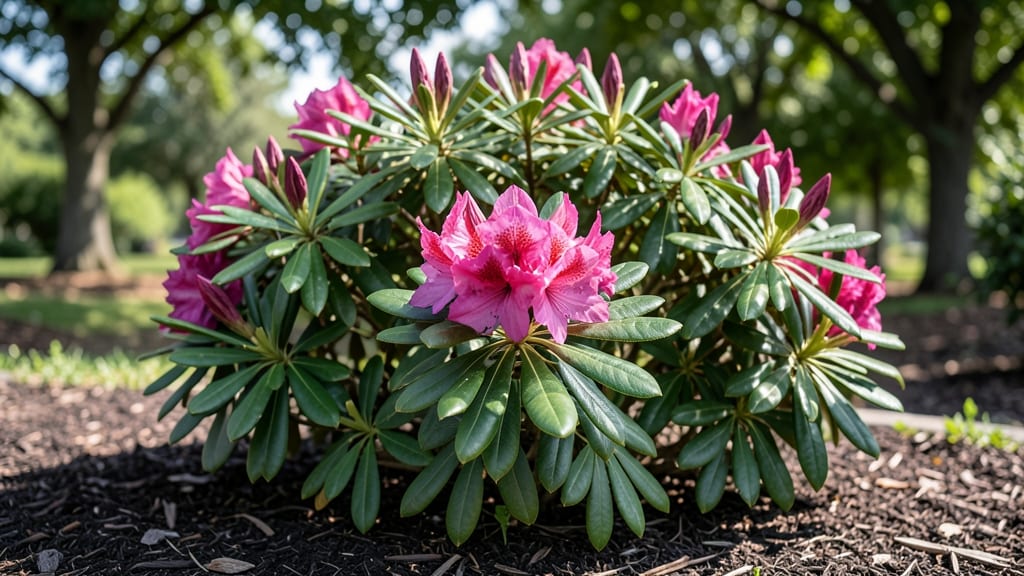
The rhododendron blooming season arrives like a purple dream—when buds swell into fragrant clusters that transform your yard into a spring masterpiece. 🌸 I’ve watched mine burst into color between late April and early June, but the exact timing depends on your zone and last winter’s chill.
In my Zone 6 garden, the first blossoms appear when forsythia yellows and daffodils fade, signaling it’s time to lean in close and admire the velvety petals.
What makes this season special isn’t just the show—it’s the science behind it. Rhododendrons need 60-90 days of cold to set buds, so pruning after bloom or skipping winter mulch can delay or reduce flowers next year.
The key is observing: watch for bud swell in early spring (those plump green nubs) and avoid heavy frost, which can blacken petals before they open. Pair them with hellebores or azaleas for a layered, month-long display.
You’ll extend the bloom period by deadheading spent flowers and keeping soil moist but not soggy. A light layer of mulch preserves root moisture, while a morning sun spot (with afternoon shade) keeps petals vibrant longer.
The payoff? A garden that feels like a secret garden—full of fragrance, texture, and that unmistakable rhododendron magic.
Works in zones 4-8, though southern gardens may see blooms as early as March. For container growers, choose compact varieties like ‘PJM’—they handle urban heat better and still deliver that signature purple haze. Now go check those buds!
📚 In This Guide
- What you need
- Instructions
- Tips and common mistakes
- Wrapping up and next steps
What you need
- ● Rhododendron plants: Choose hardy varieties suited to your USDA zone (e.g., Rhododendron catawbiense for zones 4-7 or Rhododendron kalmia for zones 3-8). Pro tip: 💡 Buy 3–5 plants for a fuller, layered look!
- ● Well-draining acidic soil: Aim for a pH of 4.5–6.0. Mix peat moss or pine bark fines (1 part) with garden soil (2 parts) for optimal results.
- ● Organic mulch: Pine straw or wood chips (2–3 inches thick) to retain moisture and acidify soil over time.
- ● Slow-release fertilizer: Use a balanced acid-loving plant fertilizer (e.g., 10-10-10 or 8-3-9) in early spring (follow package rates).
- ● Watering can or hose with a gentle spray nozzle: Rhododendrons hate soggy roots—water deeply 1–2 times per week (adjust for rain).
- ● Pruning shears: Clean, sharp shears (sterilized with rubbing alcohol) for shaping after blooming.
- ● Epsom salt: A quarter cup dissolved in water (applied monthly) boosts magnesium for lush foliage.
- ● Lime-free compost: Enhances soil without raising pH—mix in 1–2 inches annually.
- ● Decorative rocks or pebbles: Adds a polished touch to pots or garden beds.
- ● Plant supports: Small stakes or rings for young plants in windy areas.
- ● Bloom-boosting sprays: Fish emulsion or seaweed extract (diluted per label) for extra vibrancy.
- ● Sunlight: Partial shade (3–6 hours of dappled sun daily). Avoid harsh afternoon rays!
- ● Location: Sheltered from strong winds (use a north-facing wall or under tall trees for natural shade).
- ● Patience: Rhododendrons can take 2–3 years to reach peak blooming glory—worth the wait!
How to ensure stunning rhododendron blooms every spring
Here’s how I keep my rhododendrons bursting with color year after year—no guesswork, just proven care.
🌱 Step 1: Prune After Last Year’s Blooms Fade
Wait until late spring or early summer—after your rhododendrons finish blooming but before new buds form. This timing prevents accidental removal of next year’s flower buds, which develop on last year’s growth. Use clean, sharp pruners to trim back any dead or crossing branches, cutting just above a leaf node or outward-facing bud.
I like to shape the plant lightly—never remove more than ⅓ of the foliage at once. Over-pruning stresses the shrub and reduces next season’s blooms. Watch for any yellowing leaves or leggy growth; these are signs the plant needs more light or better drainage.
☀️ Step 2: Provide the Right Light and Soil Conditions
Rhododendrons thrive in partial shade—think morning sun with afternoon shade or dappled light under tall trees. Too much direct sun scorches leaves, while too little shade weakens blooms. Amend your soil with organic matter (like compost or peat moss) to keep it acidic (pH 4.5–6.0)—they hate alkaline soil.
I test my soil pH every few years with a simple kit. If it’s too high, I mix in sulfur or pine needles to lower it gradually. Mulch with 2–3 inches of pine bark or wood chips to retain moisture and acidify the soil over time. Avoid fresh wood chips—they can rob nitrogen from the soil.
💧 Step 3: Water Deeply and Consistently
Water 1–2 inches per week, more in extreme heat or drought. Rhododendrons hate soggy roots but also dry spells—both cause buds to drop. I water early in the morning to reduce evaporation and fungal risks. Check soil moisture by sticking your finger 2 inches deep; if it’s dry, it’s time to water.
Mulch helps retain moisture, but don’t pile it against the trunk—keep it 2–3 inches away to prevent rot. If your rhododendron’s leaves turn brown at the edges, it’s often a sign of underwatering or salt buildup from tap water. Use rainwater or distilled water if possible, or let tap water sit out overnight before using.
✂️ Step 4: Feed and Protect for Next Year’s Blooms
In early spring, before buds swell, feed with an acid-loving plant fertilizer (like one labeled for azaleas or rhododendrons). I use a slow-release granular fertilizer spread evenly under the canopy. Avoid high-nitrogen fertilizers—they promote leafy growth at the expense of flowers.
Watch for pests like lace bugs or spider mites, which suck sap and cause stippling on leaves. Spray with neem oil if you spot them early—it’s gentle but effective. I also check for powdery mildew (white fuzzy spots) and treat with a baking soda spray (1 tsp baking soda + 1 quart water + a drop of dish soap) if needed.
⏰ Step 5: Time Your Care for Peak Blooming
Bud formation starts in late summer, so avoid heavy pruning or fertilizer applications after that. By fall, your rhododendron should be well-hydrated and mulched—this prepares it for winter dormancy and next spring’s blooms. In winter, protect young plants from freezing winds with burlap wraps if your climate dips below 10°F.
Here’s the magic: Patience. Rhododendrons take 2–3 years to establish after planting before they bloom reliably. But once they do? You’ll have months of purple haze—worth every bit of care. I promise, the first time you see those buds swell in late winter, you’ll understand why gardeners obsess over them.
Tips & tricks for stunning rhododendron blooms
A few simple adjustments can transform your rhododendrons from just another shrub to a showstopper every spring.
Pruning Precision: When you're ready to prune in Step 1, take your time to identify those outward-facing buds—they're where next year's flowers will bloom. I like to make my cuts at a slight angle just above the bud to prevent water from pooling and causing rot. And remember, those leggy branches you're tempted to trim? They're often hiding flower buds, so resist the urge to cut them back too aggressively.
Soil Science: In Step 2, don't just amend your soil—test it first. I've seen many gardeners add compost without checking pH, only to wonder why their rhododendrons still struggle. That pH 4.5-6.0 range is critical. If your soil tests higher, mix in elemental sulfur (not just pine needles) for faster results. And here's a pro move: sprinkle a handful of cottonseed meal around the base in fall—it's a slow-release nitrogen source that acidifies soil over time.
Watering Wisdom: The 1-2 inches per week guideline in Step 3 is perfect, but timing matters just as much. I've learned the hard way that watering in the evening can lead to fungal issues. Stick to morning watering, and always water at the base of the plant—not the leaves. This prevents those pesky brown edges that signal salt buildup or underwatering. For established plants, you can actually reduce watering slightly in winter when they're dormant, but keep an eye out for dry spells.
Winter Protection: That 10°F threshold in Step 5 is crucial for young plants. I've seen many gardeners skip the burlap wraps, only to have their tender new rhododendrons suffer frost damage. For extra protection, I like to mound up a thick layer of mulch around the base before winter hits—think 4-6 inches for young plants. And here's a trick I picked up: wrap the burlap loosely so it doesn't touch the leaves, and secure it with twine. This creates a little microclimate that can make all the difference in harsh winters.
Pro Tips for Rhododendron Blooming Season
- A few simple adjustments can transform your rhododendrons from just another shrub to a showstopper every spring.
- Pruning Precision: When you're ready to prune in Step 1, take your time to identify those outward-facing buds—they're where next year's flowers will bloom.
- Soil Science: In Step 2, don't just amend your soil—test it first.
Frequently asked questions
Got questions about the rhododendron blooming season? You’re not alone! Here are some of the most common queries—and their answers—to help you make the most of this vibrant spring spectacle.
When is the best time to see rhododendrons in full bloom?
The peak blooming season varies by region, but most rhododendrons burst into color between late April and early June. In cooler climates (like the Pacific Northwest or Appalachians), expect blooms in May, while southern gardens may see flowers as early as March or April. Check local botanical gardens for exact timing—they often track blooms year-round!
Why aren’t my rhododendrons blooming this year?
Don’t panic! Common culprits include over-fertilizing (too much nitrogen = more leaves, fewer flowers), insufficient winter chill (they need 400–1,000 hours below 45°F), or pruning at the wrong time (always trim after blooming). If your plant is young (<3 years old), it might still be establishing roots. For persistent issues, test soil pH (ideal: 4.5–6.0) or consult a local nursery.
Can I prune rhododendrons during blooming season?
No!
Pruning while flowers are open removes next year’s buds (which form on old wood). Wait until late spring or early summer—after blooms fade—to shape your shrub. Deadhead spent flowers to encourage a second flush in some varieties, but avoid heavy pruning. Pro tip: Use clean, sharp shears and sterilize with rubbing alcohol to prevent disease.
Are there rhododendron alternatives for areas with harsh winters?
If your zone is Zone 4 or colder, try these cold-hardy bloomers:
- Azaleas (some varieties survive to -30°F)
- Mountain laurel (tolerates -25°F and thrives in acidic soil)
- Pieris japonica (Andromeda) (evergreen with early spring flowers)
- Dwarf rhododendrons like ‘PJM’ (hardy to -30°F)
How long do rhododendron flowers last, and how can I extend their beauty?
Most rhododendron blooms last 2–4 weeks, but you can prolong their display with these tricks:
- Place plants in partial shade (direct sun scorches petals faster).
- Water deeply 1–2 times per week (drought stress shortens bloom time).
- Use mulch (2–3 inches of pine bark) to retain moisture and cool roots.
- Deadhead gently (snip spent flowers just above the first leaf pair) to redirect energy to new buds.
Wrapping up and next steps
Watching rhododendrons burst into vibrant blooms is one of spring’s most breathtaking gifts! 🌸 Whether you’re a gardener eager to time your plantings or simply a nature lover soaking in the colors, their peak blooming season—typically April to June—offers a magical escape.
Now that you’re armed with insights on varieties, care tips, and troubleshooting, why not plan your own rhododendron adventure?
🌿 Next steps:
- Visit a local nursery to pick out your favorite variety.
- Mark your calendar for spring’s purple haze and take a scenic hike to spot wild blooms.
- Share your progress (or stunning photos!) with fellow plant enthusiasts.
Happy gardening—and may your rhododendrons bring you endless joy! 🌺