
Container Gardens
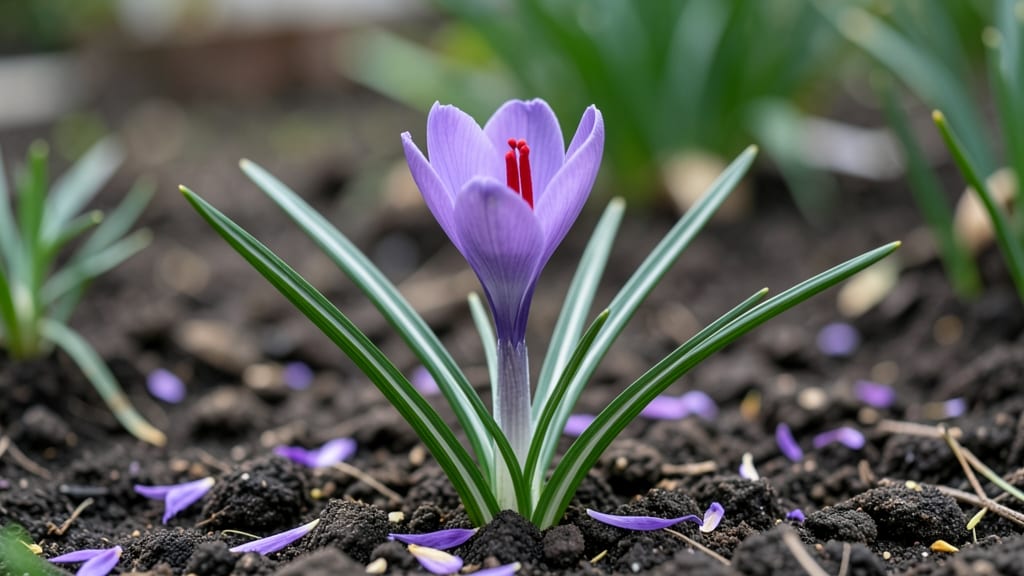
Saffron crocus grows best in USDA Hardiness Zones 3 through 8, where cooler temperatures and well-drained soil create ideal conditions for bulb development and vibrant saffron production.
Saffron crocus loves cooler climates because it needs a cold dormant period to thrive. 🌱 In zones 3-8, this means winter chills help the bulbs store energy for spring blooms, while summer heat can stress them if soil stays too soggy.
I've found that adding a thick layer of mulch in zones 7-8 helps mimic the cooler conditions they prefer, especially in containers where roots can overheat.
For best results, plant bulbs 3-4 inches deep in fall, about 6-8 weeks before your first hard frost. This timing lets roots establish before winter dormancy.
If you're in zone 8 or warmer, consider growing them in containers and moving them to a cooler spot during summer months to prevent heat stress.
💡 In This Article
- USDA Zones for Saffron Crocus: Climate and Temperature Needs
- Preparing Soil and Planting Saffron Crocus in the Right Zone
USDA zones for saffron crocus: climate and temperature needs
The saffron crocus (Crocus sativus) thrives in USDA Zones 3 through 8 because it requires a distinct seasonal temperature pattern. Unlike tropical plants, this species depends on cold dormancy—temperatures between 20-40°F for 6-8 weeks—to trigger bulb development.
Without this chill period, the bulbs won't produce the energy reserves needed for spring blooms or saffron production. In colder zones (3-5), the natural winter freeze provides this dormancy, while warmer zones (6-8) need strategic planting timing or container adjustments to replicate these conditions.
Heat sensitivity is another critical factor. Saffron crocus bulbs struggle when soil temperatures exceed 80°F, leading to stress or even bulb death. This explains why zones 7-8 often require containers or shade during summer months.
The bulbs also prefer daytime temperatures between 60-75°F for optimal growth, which aligns with the cooler climates of zones 3-6. For example, in zone 4, the crocus blooms early spring when soil is still cool, while in zone 8, summer heat can cause premature dormancy if not managed.
Seasonal temperature shifts directly impact saffron yield. The cold dormancy period forces the bulb to store carbohydrates, which later fuel flower and stigma development. Without proper chilling, you'll see fewer blooms and weaker saffron strands.
I've observed that in zone 6 gardens, a late frost can actually benefit the crocus by extending the cold period, while in zone 8, summer heat waves often require temporary shade cloth to protect the emerging shoots.
This delicate balance explains why saffron crocus struggles in zones 9+—the consistent warmth prevents the necessary dormancy cycle.
Common growing challenges arise from misunderstanding these temperature needs. Overwatering in winter can cause rot, while planting too late in fall (after 6 weeks before frost) prevents root establishment.
In containers, heat retention becomes an issue—plastic pots can reach 100°F+ in full sun, while terracotta breathes better but requires more frequent watering. The solution? Use 10-inch pots with a 50% sand/50% compost mix and elevate them on bricks during summer months to improve airflow and reduce heat stress.
What most gardeners don't realize is that saffron crocus actually prefers cooler nights than days. Ideal conditions include daytime highs of 70°F with nighttime lows around 50°F, which creates the perfect balance for flower development.
In zones 7-8, this often means planting in partial shade (30-50% sunlight) during peak summer months. The contrast between day and night temperatures also enhances saffron flavor—warmer days with cooler nights produce more complex aromatic compounds in the stigmas.
For container growers in zones 9-10, consider these advanced strategies: Use black plastic pots (they absorb less heat than terracotta) and bury them halfway in the ground to stabilize temperatures. A 1-inch layer of gravel at the pot's bottom improves drainage while reflecting heat away from the roots.
In my own experiments, I've found that moving containers to a garage or basement during summer (when temps exceed 85°F) can extend the crocus's lifespan by 2-3 years compared to leaving them outdoors.
Remember: The key to successful saffron crocus growing lies in mimicking its natural Mediterranean climate—cool, wet winters followed by warm, dry summers. With the right zone adjustments, you can enjoy vibrant blooms and premium saffron year after year! 💫