
Blooming
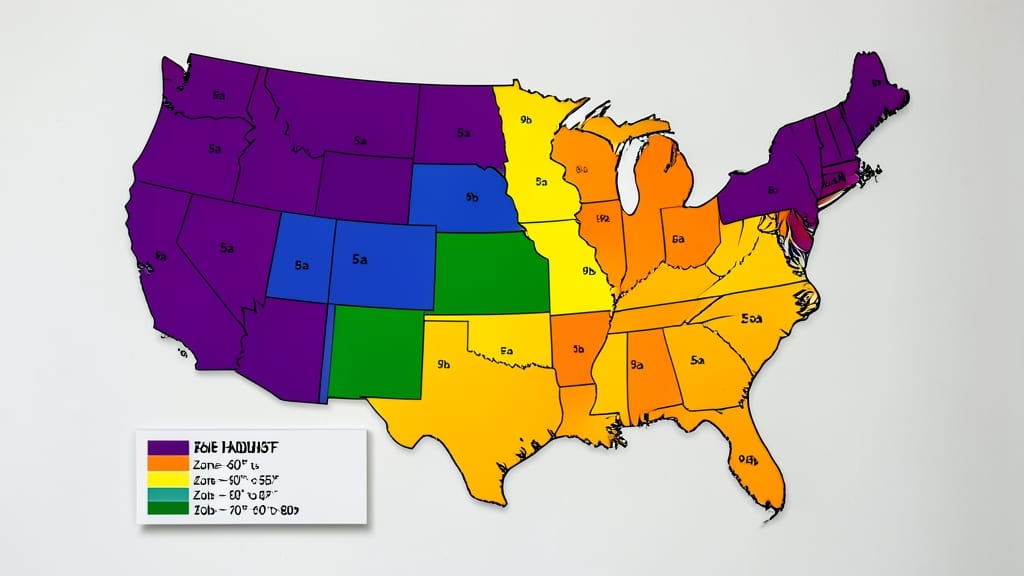
The USDA Plant Hardiness Zone Map organizes the U.S. into 13 primary climate zones, ranging from zone 1 (the coldest Alaskan regions) to zone 13 (the warmest Hawaiian areas), with half-zones (like 6a or 8b) providing more precise temperature ranges. These zones help gardeners match plants to local winter lows.
The USDA divides the country based on average annual minimum temperatures, which determine which plants can survive winter.
For example, zone 1 (-60°F) can only support hardy species like spruce trees, while zone 13 (60°F+) thrives with tropical plants like hibiscus. 🌱 What's interesting is how these zones interact with other factors—like elevation or urban heat—creating microclimates where a zone 7 plant might struggle in a valley but thrive on a south-facing hillside.
This system isn't just about cold tolerance. It also helps predict frost-free periods, which directly impacts planting schedules. For instance, zone 5's 150-210 frost-free days means early spring crops like peas can go in sooner than in zone 3's 90-150 days.
The half-zones add critical precision—moving from 5b (-15°F) to 6a (-5°F) can mean the difference between a successful tomato harvest and a frost-killed plant.
💡 In This Article
- How USDA Plant Hardiness Zones Determine Plant Survival
- Finding Your Zone: Interactive Tools and Local Adjustments
How USDA plant hardiness zones determine plant survival
The USDA Plant Hardiness Zone Map uses average annual minimum temperatures measured over a 30-year period to create these zones. Each zone represents a 10°F difference—for example, zone 5 ranges from -20°F to -10°F, while zone 6 spans -10°F to 0°F.
This temperature range determines which plants can survive winter dormancy. 🌡️ The science behind this is rooted in plant physiology: most plants enter dormancy when temperatures drop below their hardiness threshold, and the zone map helps gardeners avoid planting species that would perish in cold snaps.
What makes this system so powerful is how it correlates with frost-free periods. For instance, zone 10 (30°F to 40°F) typically has 270-365 frost-free days, allowing for year-round gardening in many areas, while zone 2 (-50°F to -40°F) offers only 30-120 days.
This directly impacts planting schedules—cool-season crops like spinach thrive in zone 2's short window, while warm-season tomatoes need zone 7's 150-210 frost-free days or warmer. The half-zones (like 5a vs. 5b) add critical precision, often determining whether a plant survives or struggles.
Microclimates complicate things further. A single yard can contain multiple zones due to factors like elevation, slope, or water bodies. For example, a south-facing hillside in zone 6 might reach 10°F warmer than the valley floor, allowing zone 7 plants to thrive there.
Similarly, urban areas can be 2-10°F warmer than rural zones due to the "urban heat island" effect, where pavement and buildings trap heat. This is why gardeners in cities often find their effective zone is 1-2 zones warmer than the official map suggests.
Here's what most people overlook: the zone map doesn't account for heat zones during summer. While winter hardiness is critical, some plants also need protection from extreme summer heat.
For example, a zone 8 plant might struggle in a desert climate where summer temperatures exceed 100°F, even if winters are mild. This is why pairing hardiness zones with heat zone maps (like the AHS Heat Zone Map) gives a more complete picture for year-round gardening success.
Consider this real-world example: In zone 5b (-15°F to -10°F), you'd typically avoid tropical plants like bougainvillea, but in zone 10a (30°F to 35°F), this plant thrives year-round. The difference isn't just about cold tolerance—it's about the entire climate profile.
Even within a zone, soil type and moisture levels play roles. Sandy soils warm up faster in spring, while clay holds cold longer, creating additional microclimates that affect planting times by 2-4 weeks.
For gardeners, understanding these zones means selecting plants that match not just the zone, but the local growing conditions. For example, blueberries need acidic soil and thrive in zones 3-7, but their exact variety depends on whether your area has hot summers or coastal moderation.
The zone map is your starting point, but the real art comes in adjusting for your specific microclimate—whether that means planting heat-loving tomatoes on a sunny wall or protecting tender perennials with mulch in zone 5.