
Companion Plants
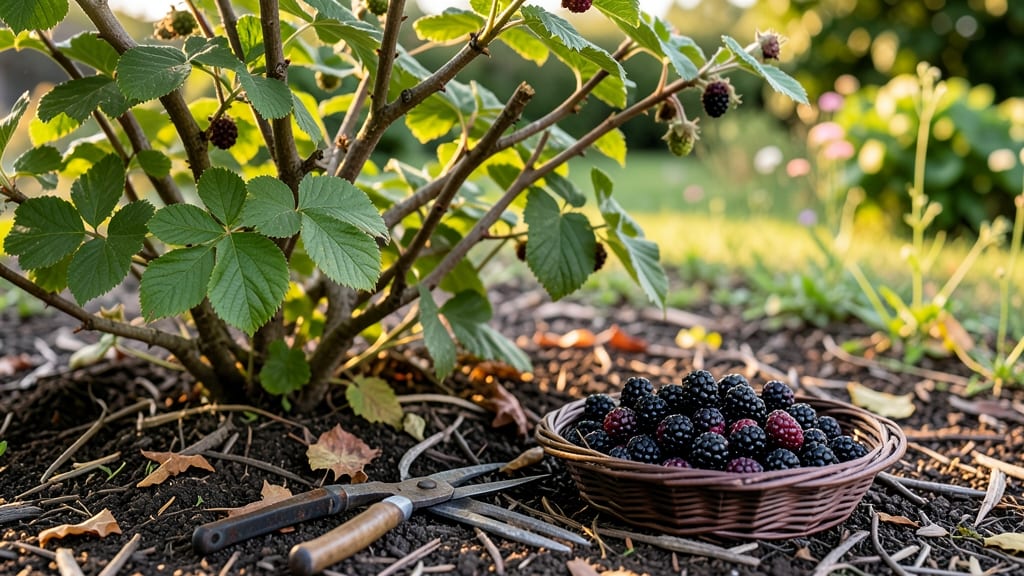
The season of blackberry stretches far beyond summer if you pick the perfect varieties and master the art of planting, pruning, and protecting them from late frosts. cut can wipe out your harvest before it starts.
Most gardeners focus only on summer-bearing types, but everbearing varieties stretch your season from early summer through fall. In warmer climates like zones 8-10, you might even get a second flush after winter dormancy. The trick is protecting young canes from spring frosts and keeping plants well-watered during fruit set.
With proper mulching and pruning, you'll harvest juicy berries for 6-8 weeks instead of just two. The first batch comes in June, but if you manage the canes right, you'll still be picking in September. That's three times the fruit from the same plants.
Works for backyard patches, fence rows, or even container-grown bushes. Here's how to make it happen in your zone—no matter where you live.
Nature’s Perfect Blackberry Timing
The season of blackberry isn’t just a random burst of flavor—it’s a finely tuned dance between biology, climate, and human cultivation. Understanding why blackberries ripen when they do helps gardeners and foragers predict, extend, and even manipulate harvest windows. Here’s the science behind the sweetest time of year.
Blackberries thrive in moderate climates with distinct seasonal shifts. Their growth follows a chilling requirement: most varieties need 200–1,000 hours below 45°F (7°C) during winter to break dormancy. Once spring arrives, warmer days (60–85°F / 15–29°C) trigger:
- Flowering: Cooler spring nights (50–55°F / 10–13°C) promote pollinator activity, while daytime warmth (70°F+/21°C+) fuels fruit set.
- Fruit Development: Blackberries grow fastest in consistent 75–85°F (24–29°C) ranges. Heatwaves above 90°F (32°C) can cause sunscald or poor sugar development.
- Harvest Readiness: Ripe berries form when day lengths lengthen (longer sunlight = more photosynthesis), typically 60–90 days after flowering. Early varieties ripen in mid-summer, while late types peak in fall.
Actionable Tip: Monitor your local frost dates—planting in zones with mild winters (like USDA 6–9) can stretch the season by weeks.
Blackberries are short-day plants, meaning they respond to daylight hours. As summer solstice approaches (June 21), days grow longer, but blackberries actually prefer 12–14 hours of light for optimal fruiting. Here’s how it works:
- Flower Bud Formation: Occurs when days start shortening after the solstice (late June–July), signaling the plant to shift energy from leaves to fruit.
- Harvest Windows:
- June-bearing varieties (e.g., ‘Triple Crown’): Ripen in one 4–6-week burst after the longest day of the year.
- Ever-bearing/fall-bearing types (e.g., ‘Natchez’): Produce two crops—one in summer (from spring buds) and one in fall (from summer buds triggered by shorter days).
Pro Tip: If you’re in a tropical or short-season zone, use shade cloth to reduce daylight in summer and encourage fall fruiting.
Blackberries are thirsty but hate soggy roots. Their ripening schedule hinges on:
| Growth Stage | Water Needs | Why It Matters |
|---|---|---|
| Flowering | 1–1.5 inches/week | Drought stress here = poor pollination and dropped fruit. |
| Fruit Swelling | Consistent moisture (deep watering 2x/week) | Berries need steady hydration to expand; fluctuations cause cracking. |
| Ripening | Reduce to 0.75 inches/week | Overwatering late in the season dilutes sugar and delays harvest. |
Soil Science: Sandy loam drains well but holds enough moisture, while clay soils may delay ripening due to poor oxygen flow. Action: Test your soil’s drainage—amend with compost to hit the sweet spot of 5.5–6.5 pH.
Blackberries are self-pollinating but 3x more productive with help from bees, birds, and even wind. Their timing aligns with:
- Bee Activity Peaks: Most pollinators are most active when temperatures hit 70–85°F (21–29°C), coinciding with blackberry flowering (May–June in most regions).
- Bird Foraging: Robins and thrushes eat unripe berries, but their presence also spreads pollen between plants.
- Wind Pollination Backup: In cloudy or cool spells, blackberries can self-pollinate, but fruit may be smaller.
Boost Pollination:
- Plant companion pollinator magnets nearby: borage, lavender, or clover.
- Avoid neonicotinoid pesticides—they repel bees.
- Gently shake plants on calm mornings to dislodge pollen.
Practical fixes for blackberry growth
Blackberries are a gardener’s dream—juicy, abundant, and packed with flavor—but even the hardiest plants can run into snags. Whether your bushes are struggling with pests, poor yield, or environmental stress, these targeted solutions will help you turn things around.
Below, we’ve mapped common problems to step-by-step fixes, plus prevention tips to keep your blackberry patch thriving all season long.
Blackberries are magnets for aphids, spider mites, and Japanese beetles, but you don’t need harsh chemicals to fight back.
🔥 *Cause: Aphids or spider mites sucking sap 🍳 Fix:
- Blast them off with a strong spray of water (early morning works best).
- Introduce beneficial insects like ladybugs or lacewings—they eat pests naturally.
- Neem oil spray (1 tsp neem oil + 1 tsp mild soap per quart of water) applied weekly deters soft-bodied bugs.
💡 Prevention Tip: Plant garlic, chives, or marigolds nearby—their strong scents repel pests.
Blackberries are heavy feeders, and nutrient-deficient soil leads to weak growth, small berries, or no fruit at all.
👨🍳 *Cause: Yellow leaves or stunted canes 🥘 Fix:
- Test your soil (a $20 kit from a garden center reveals pH and nutrient levels).
- Amend with compost (work in 2–3 inches of well-aged compost or worm castings in early spring).
- Fertilize smartly:
- Summer (after harvest): Switch to a low-nitrogen, high-phosphorus (like 5-10-10) to boost fruiting.
🌡️ Prevention Tip: Mulch with straw or wood chips to retain moisture and slowly release nutrients.
Blackberries hate extreme heat, cold snaps, or windburn, which can scorch leaves or stunt berry development.
🔪 *Cause: Brown leaf edges or sunburned canes 🥘 Fix:
- Shade cloth (30–50% coverage) during peak summer sun protects tender leaves.
- Windbreaks (plant a row of sumac or Russian olive as a natural barrier).
- Winter prep:
- Cover with straw (not plastic!) after the first hard frost.
✨ Prevention Tip: Choose thornless varieties (like ‘Natchez’ or ‘Arapaho’) if wind or harsh sun is a recurring issue—they’re more resilient.
If your blackberries are sparse or tiny, it’s often a sign of improper pruning, overcrowding, or lack of pollinators.
⏰ *Cause: Few berries or underdeveloped fruit 🍳 Fix:
- Prune aggressively in late winter:
- Remove
- Keep 6–8 of the strongest canes per plant (older canes produce better fruit).
🎯 Prevention Tip: Plant companion pollinators like borage or bee balm nearby to attract more bees.
With these fixes, your blackberry bushes will bounce back stronger—and next season, you’ll be swimming in bushels of plump, sweet berries. The key? Act early, stay consistent, and let nature do the heavy lifting with smart companions.
Frequently asked questions about blackberry seasons
When is the best time to plant blackberries for a summer harvest?
Plant blackberry bushes in early spring (after the last frost) or late fall (6-8 weeks before your first frost date). For summer-bearing varieties, this timing ensures roots establish before flowering. Everbearing types can also be planted in mid-summer for a fall harvest, but they need consistent moisture during their first growing season.
Why do my blackberries ripen at different times each year?
Blackberry ripening depends on chilling hours (winter cold) and day length. If your winter was unusually warm or short, the plant may need more cold exposure to trigger consistent flowering. Also, temperature fluctuations during fruit development can delay ripening—aim for steady 75–85°F days during the growing season.
Can I extend my blackberry season into fall?
Yes! Plant everbearing varieties like 'Natchez' or 'Chester' for two harvests—one in summer and another in fall. For summer-bearing types, prune lightly in late summer to encourage new growth that may produce a small fall crop. Mulch with straw or leaves to protect roots from early frosts and keep soil warm.
What's the difference between summer-bearing and everbearing blackberries?
Summer-bearing types (like 'Triple Crown') produce one large crop in mid-summer from buds that formed the previous summer. Everbearing varieties (like 'Arapaho') create two crops: one from spring buds and another from summer buds triggered by shorter days. Everbearing types are ideal for smaller gardens or colder climates where summer-bearing plants may struggle.
How do I protect my blackberries from late spring frosts?
Use frost cloth or row covers when temperatures drop below 28°F, especially during flowering (when buds are most vulnerable). For established plants, water the soil thoroughly before expected frost—moist soil releases heat more slowly. Avoid overhead watering, as wet foliage can freeze and damage buds.