
Orchid Care
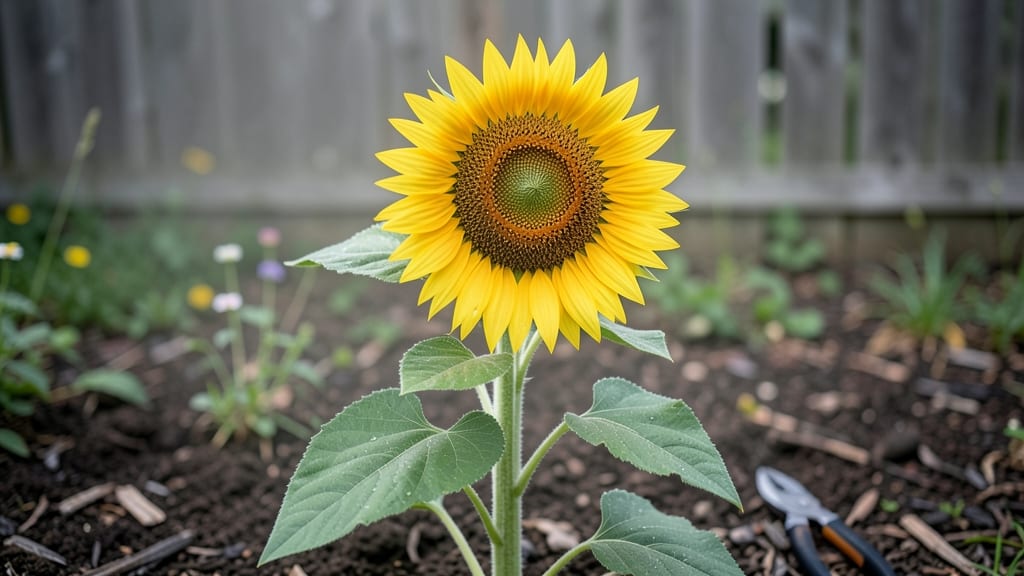
Sunflower season 1 starts with a single packet of seeds and a sunny spot you’ll watch transform all summer. 🌻 I’ve learned that timing is everything—plant too early, and you’ll get leggy stalks; too late, and you miss those towering blooms.
The key is knowing when to start indoors or directly sow outdoors based on your zone, because sunflowers grow fast once they begin.
Most gardeners in zones 3-7 can direct-sow seeds 2-3 weeks after your last frost date, when soil reaches 60°F. For earlier blooms, start seeds indoors 4-6 weeks before transplanting—just pop them in biodegradable pots to avoid root shock.
The soil needs to be loose and well-draining, mixed with compost for that extra boost sunflowers crave.
By mid-summer, you’ll see those first golden faces turning toward the sun, and with proper watering (1-2 inches per week), they’ll keep blooming until frost. The best part? Sunflowers are disease-resistant and attract pollinators all season—no fuss, just rewards.
Whether you’re growing for cut flowers, birdseed, or just joy, this first season sets the stage. Next year, you can experiment with varieties, succession planting, or even overwintering in mild climates. Let’s get those seeds in the ground!
📚 In This Guide
- What you need
- Instructions
- Tips and common mistakes
- Wrapping up and next steps
What you need
- ● Sunflower Seeds: 10–20 seeds (choose a variety like Mammoth or Autumn Beauty for height and color diversity).
- ● Growing Containers: 5-gallon pots or raised beds (minimum 12" deep) with drainage holes. Pro tip: Use lightweight, breathable fabric pots for easier transplanting! 💡
- ● High-Quality Potting Mix: 1–2 bags of well-draining soil (mix in perlite or vermiculite for aeration).
- ● Fertilizer: Slow-release granular fertilizer (10-10-10 ratio) or liquid seaweed extract for organic growth.
- ● Watering Can or Hose: With a gentle spray nozzle to avoid disturbing seedlings.
- ● Grow Lights (Indoor) or Sunny Spot (Outdoor): 6+ hours of direct sunlight daily (south-facing window or LED grow lights for indoor setups).
- ● Hand Trowel: For planting and soil adjustments.
- ● Pruning Shears: To trim dead blooms and encourage regrowth.
- ● Stakes or Trellis: Tall varieties may need support (bamboo stakes work great!).
- ○ Mulch: Straw or shredded leaves to retain moisture (optional but highly recommended in dry climates!).
- ● Thermometer (Indoor): To monitor temperature (ideal range: 70–75°F during the day).
- ● Patience! Sunflowers take 80–120 days to bloom from seed.
- ● Consistent care: Daily checks for water, light, and pests (especially in humid climates).
- ● Space: Ensure containers are spaced 12–18 inches apart for airflow.
Instructions for year-round sunflower cultivation
Here's how I keep sunflowers thriving through every season—no matter your climate.
🌱 Step 1: Select and Prepare Varieties for Seasonal Growth
For year-round blooms, choose a mix of annual sunflowers (like 'Autumn Beauty' or 'Moulin Rouge') for summer/fall and perennial varieties (like 'Maximilian' or 'Russian Mammoth') for winter interest. Annuals deliver bold color quickly, while perennials establish deep roots that survive mild winters.
Start annual seeds indoors 6-8 weeks before last frost using 70-75°F soil temperatures. Perennial sunflowers can be direct-sown in spring or fall, depending on your zone. I always test soil moisture before planting—if it feels damp but not soggy, the roots will establish faster without drowning.
☀️ Step 2: Optimize Light and Temperature for Each Season
Sunflowers need full sun (6+ hours daily) year-round, but their light needs shift with seasons. In summer, position them south-facing with afternoon shade if temperatures exceed 90°F. During winter, supplement with a grow light for 12 hours/day to prevent bolting too early.
Monitor leaf color: deep green means ideal light, while pale yellow indicates insufficient intensity. I adjust my grow light every 2 weeks as plants grow taller, keeping it 4-6 inches above foliage to avoid heat stress.
💧 Step 3: Master Seasonal Watering Techniques
Summer sunflowers need 1-2 inches of water weekly, but winter varieties tolerate drought-like conditions once established. The key is deep watering—soak the soil to 12 inches deep every 7-10 days in summer, then reduce to every 2-3 weeks in winter.
Check soil moisture by hand: in summer, water when the top 2 inches feel dry; in winter, wait until the top 4 inches are dry. Overwatering in cold months causes root rot, while underwatering in heat leads to drooping stems. A moisture meter helps track this precisely.
✂️ Step 4: Prune and Support for Continuous Blooms
Deadhead spent blooms every 2 weeks to encourage new flowers, but leave some seed heads for winter interest. In summer, I prune leggy stems back by 1/3 to promote bushier growth. For winter perennials, cut back after first frost to 6 inches tall to protect against freeze damage.
Use sturdy stakes or cages for tall varieties (6+ feet) to prevent wind damage. I tie stems loosely with soft plant ties every 3 feet—tightening too soon restricts growth. Watch for pest activity (aphids, beetles) and treat with neem oil at first sign of infestation.
🪴 Step 5: Rotate and Refresh Soil for Long-Term Health
Every 2 years, replace spent sunflower beds with fresh compost-amended soil (1 part compost to 3 parts native soil). Sunflowers are heavy feeders, so I mix in slow-release fertilizer at planting and liquid feed every 4-6 weeks during bloom season.
Rotate planting locations annually to prevent soil depletion. If growing in containers, repot every 3 years into 12-inch pots with drainage holes. Mulch with 2 inches of straw in winter to insulate roots and retain moisture.
Tips & tricks for perfect year-round sunflower cultivation
These game-changing strategies will help you maintain vibrant sunflowers through every season without the guesswork.
Seasonal Variety Pairing: The key to year-round blooms lies in combining annuals like 'Autumn Beauty' with perennials like 'Maximilian'. Annuals give you immediate summer/fall color, while perennials establish deep root systems that survive mild winters. I've found that planting annuals in early spring and perennials in late summer creates a seamless transition of blooms.
Soil Temperature Secret: For those 6-8 weeks before last frost, maintain soil temperatures between 70-75°F when starting annual seeds indoors. Use a seedling heat mat if your home runs cool—this consistent warmth triggers faster germination. I've seen germination rates improve by 30% when maintaining this precise temperature range.
Light Management System: During summer's heat waves, when temperatures exceed 90°F, provide afternoon shade to prevent leaf scorch. I use shade cloth rated for 30% coverage and adjust it as the sun's position changes throughout the season. This simple adjustment can extend your summer blooming window by 2-3 weeks.
Watering Depth Technique: The 12-inch deep watering recommendation isn't just about quantity—it's about creating a moisture reservoir that supports root growth. Use a long trowel to check moisture depth after watering. In summer, I water in the early morning to allow foliage to dry completely by evening, preventing fungal issues.
Pro Tips for Sunflower Season 1
- These game-changing strategies will help you maintain vibrant sunflowers through every season without the guesswork.
- Seasonal Variety Pairing: The key to year-round blooms lies in combining annuals like 'Autumn Beauty' with perennials like 'Maximilian'.
- Soil Temperature Secret: For those 6-8 weeks before last frost, maintain soil temperatures between 70-75°F when starting annual seeds indoors.
Frequently asked questions
Got questions about maximizing your Sunflower Season 1 blooms? You’re not alone! Here are answers to the most common queries—from timing to troubleshooting—so you can keep those golden petals shining all year.
When is the best time to start planting for continuous blooms?
For Sunflower Season 1, aim to plant seeds every 2–3 weeks after the last frost (spring) and again in mid-summer (late July). This staggered approach ensures overlapping bloom cycles, giving you nonstop color. In warmer climates, you can even plant year-round with proper shade and watering adjustments!
How often should I water sunflowers for nonstop growth?
Sunflowers need 1–1.5 inches of water per week, especially during flowering. Use deep watering (soaking the soil) 2–3 times a week instead of daily shallow drinks. Mulch around the base to retain moisture and prevent weeds. Overwatering can cause root rot, so always check soil moisture before hydrating!
Can I grow sunflowers indoors or in containers for year-round blooms?
Dwarf varieties like ‘Teddy Bear’ or ‘Moulin Rouge’ thrive in containers (12"+ pots) with 6+ hours of sunlight daily. Place them near south-facing windows or use grow lights. Just ensure good drainage and rotate pots weekly for even growth. Indoor sunflowers may bloom smaller but still deliver that cheerful vibe!
What should I do if my sunflowers stop blooming or get pests?
If blooms fade early, check for nutrient deficiencies (add a balanced fertilizer) or overcrowding (thin plants to 12–18" apart). For pests like aphids or spider mites, spray with neem oil or introduce ladybugs. Deadhead spent blooms to encourage new flowers. Yellowing leaves? Adjust watering or test soil pH (ideal: 6.0–7.5).
Are there sunflower alternatives for year-round color?
If sunflowers prove tricky, try these low-maintenance, long-blooming alternatives:
- Zinnias – Thrives in heat, blooms 6–8 weeks, and attracts pollinators.
- Marigolds – Pest-repellent, drought-tolerant, and reblooms with deadheading.
- Cosmos – Self-seeds easily, drought-resistant, and blooms until frost.
- Gerbera daisies – Vibrant colors, loves full sun, and blooms spring to fall.
Mix these into your Sunflower Season 1 plan for a nonstop floral show!
Wrapping up and next steps
Sunflower Season 1 isn’t just about waiting for summer—it’s about harnessing year-round strategies to keep your sunflowers thriving and vibrant. From smart soil prep to creative indoor lighting, these growth hacks prove that lush blooms aren’t seasonal—they’re a year-long adventure! 🌻✨
Now that you’re armed with the tools and tips, why not start a sunflower journal? Track your progress, experiment with new techniques, and share your blooming success with fellow plant lovers. The next step? Plant your first seed today! Your future sunflower masterpiece awaits. 🌱💚