
Flowers
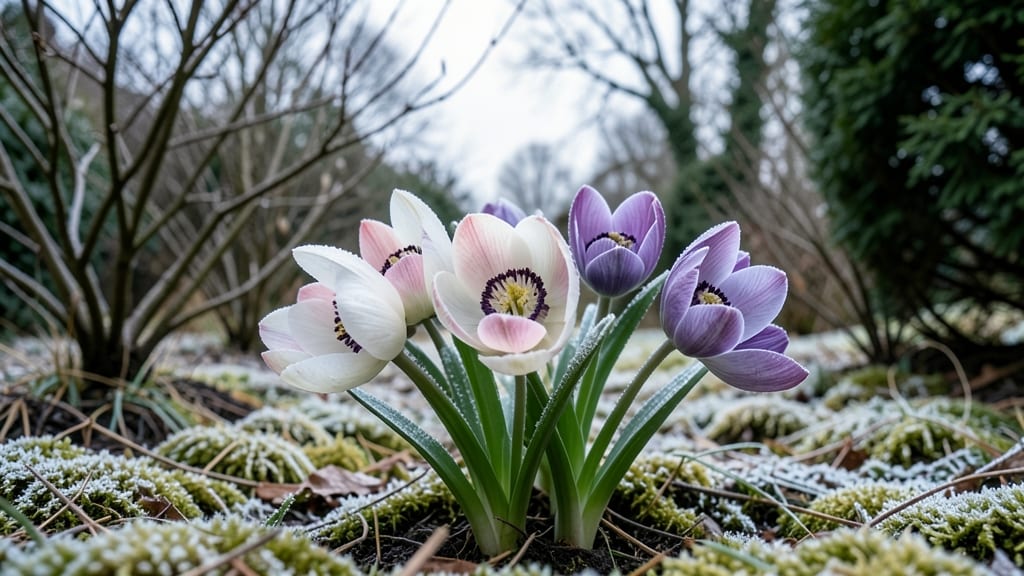
Planning your garden or flower beds? This seasonal flowers chart breaks down 10 must-know varieties and their blooming windows across USDA zones, helping you create year-round color with minimal guesswork.
Tulips: Early Spring Bloomers for Cold Climates
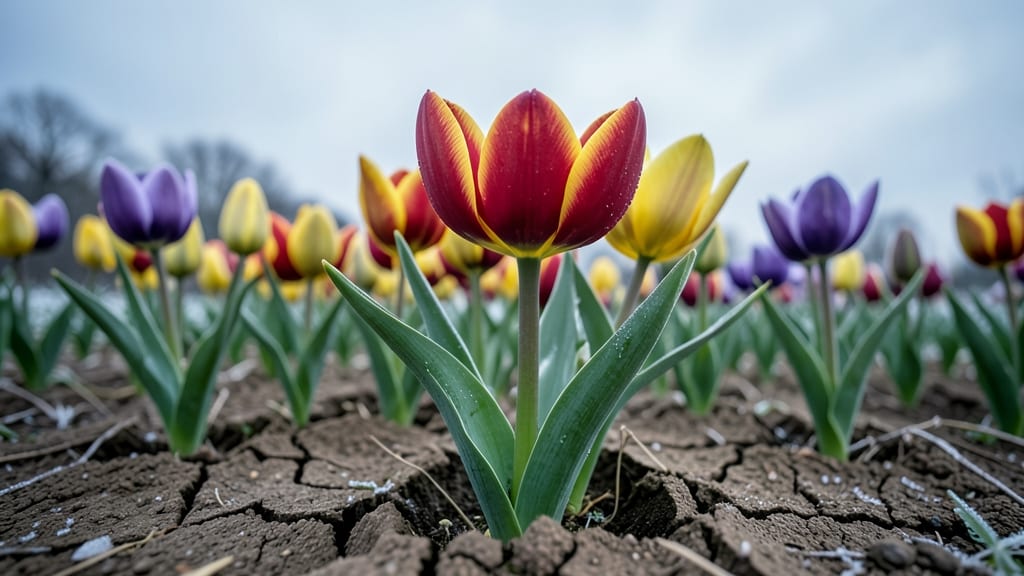
When winter still grips the garden, tulips burst through the soil like nature’s own fireworks, offering bright pops of color in zones 3-8 before most other flowers even think about waking up. Their early spring blooms—typically from late March to May—make them the perfect choice for gardeners craving instant cheer.
Plant bulbs in fall (6-8 weeks before frost) for a reliable spring show, and choose varieties like 'Darwin Hybrid' for bold, long-lasting blooms or 'Parrot Tulips' for exotic, feather-like petals. For indoor forcing, chilled bulbs in pots will bloom in 4-6 weeks on a sunny windowsill. Mulch beds after planting to protect them from harsh winter winds.
Tulips are ideal for beginner gardeners and urban spaces with containers, delivering maximum impact with minimal fuss. Their early blooms also provide critical nectar for emerging pollinators. 🌷
Daffodils: Reliable Winter-Spring Perennials
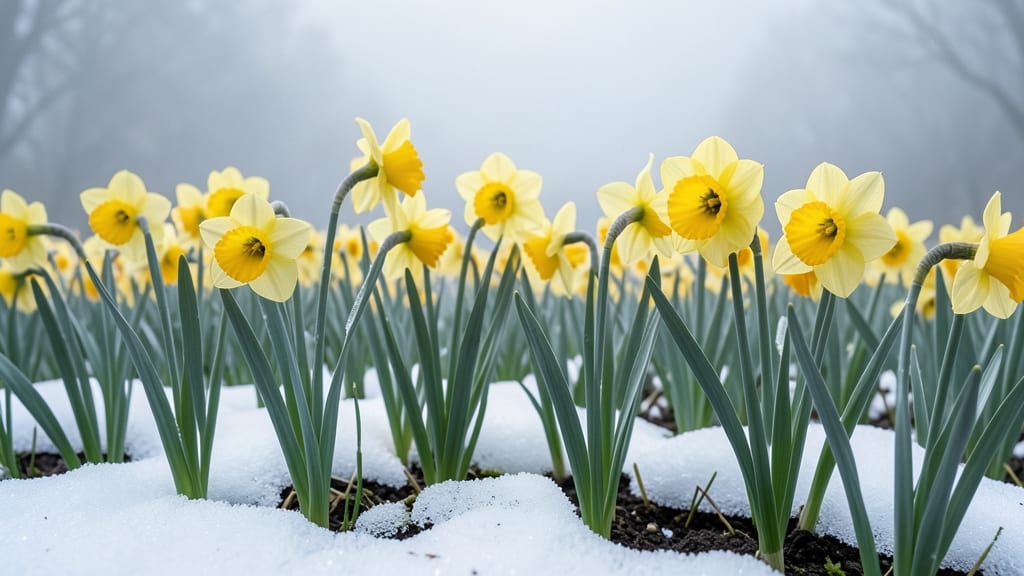
While tulips steal the early spring spotlight, daffodils are the unsung heroes that bloom before the snow melts—often pushing through frost and even light snow to deliver their cheerful yellow trumpets. Unlike many spring flowers, they thrive in zones 3-10, making them the most universally reliable perennials for winter gardens.
These hardy bulbs require almost no maintenance: plant them in full sun to partial shade, water occasionally until established, and watch them multiply year after year. Their deer-resistant foliage is a bonus for gardeners plagued by wildlife, while their early blooms provide critical nectar for emerging pollinators. For maximum impact, plant in clusters of 10+ bulbs for a natural, drifty look.
Perfect for beginners, cottage gardens, and even urban balconies, daffodils ensure your garden never looks bare—even in the coldest months. 🌱
Peonies: Late Spring to Early Summer Luxury
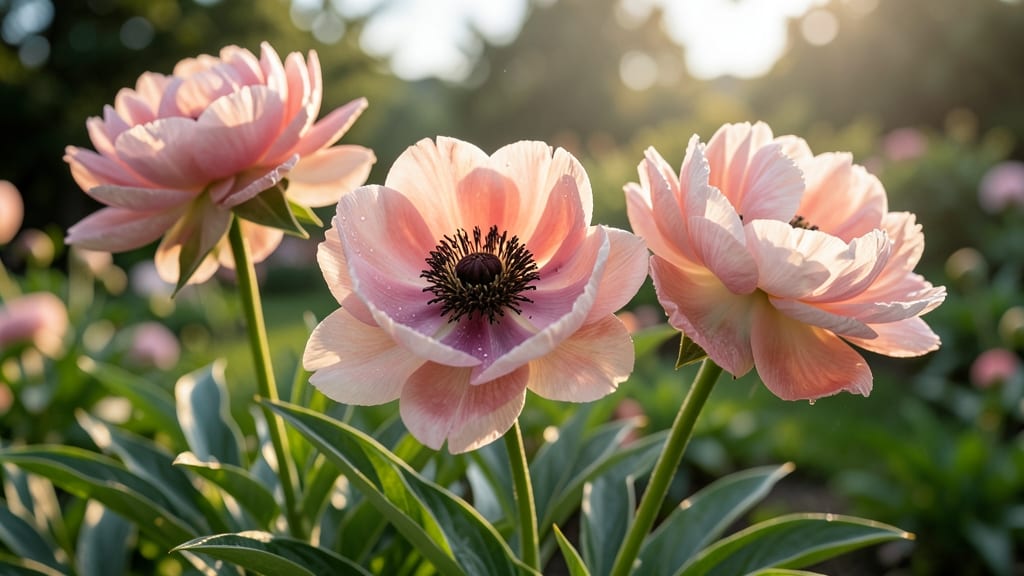
When late spring arrives, few flowers command attention like peonies—their velvety petals and intoxicating fragrance transform any garden into a romantic retreat. Unlike early bloomers like tulips or daffodils, peonies reward gardeners with 3-5 weeks of lush blooms from May through June, making them the crown jewel of cottage-style gardens.
Plant peony roots in early fall (not spring) in well-draining soil with full sun for maximum blooms. Varieties like 'Sarah Bernhardt' (pink) or 'Bowl of Beauty' (red) thrive in zones 3-8 and produce large, long-lasting cut flowers that bring the garden indoors. Deadhead spent blooms to encourage more flowers, but leave foliage until late fall to feed the roots.
This is the perfect flower for gardeners who love fragrant, low-maintenance perennials that multiply over time. Whether you're filling a border or creating bouquets, peonies deliver old-world charm with minimal effort. 🌷
Lilacs: Fragrant Spring Transition Flowers
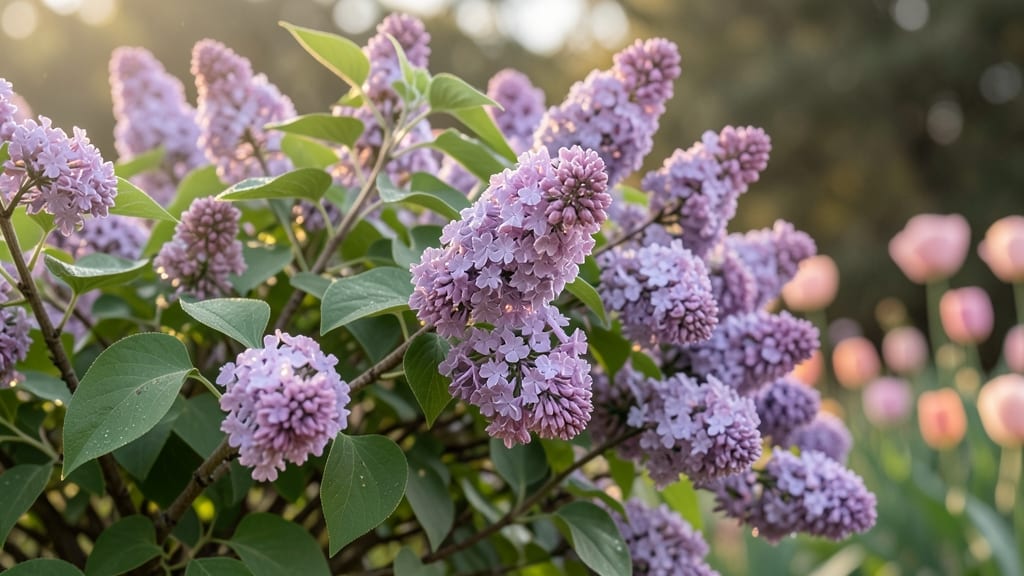
When spring feels like it’s dragging between tulips and peonies, lilacs swoop in to save the season with their heady fragrance and reliable blooms. These hardy shrubs thrive in zones 3-7, making them perfect for gardeners in colder climates who want to stretch their spring color palette.
Plant lilacs in full sun to partial shade and well-drained soil for the best results. Their fragrant clusters—available in shades of purple, pink, and white—appear in late spring, bridging the gap between early bloomers like daffodils and later stars like roses. Prune them in early summer after flowering to maintain shape, and watch them grow into hedges or small tree forms over time.
This versatile shrub is ideal for gardeners who love low-maintenance plants with high impact. The intoxicating scent alone makes them worth growing! 🌷
Roses: Summer's Classic Blooming Powerhouse
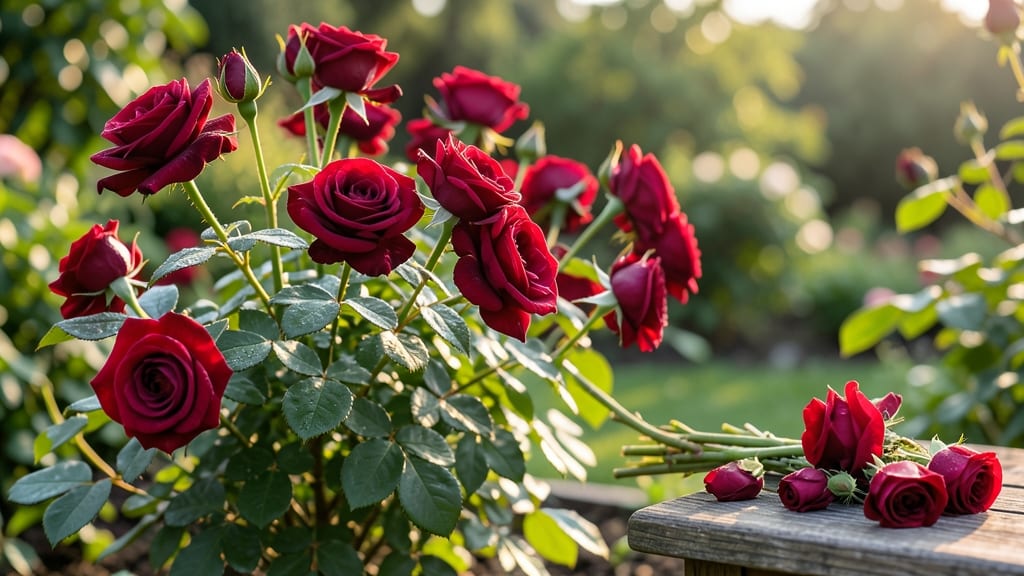
When your garden needs a romantic centerpiece that steals the show from June until frost, roses deliver with their timeless elegance and continuous blooms. Unlike seasonal flowers that fade quickly, roses provide year-round interest—their petals stay vibrant in cut arrangements for days, making them the ultimate gift from your garden.
Choose disease-resistant varieties like 'Knock Out' roses for low-maintenance care or classic hybrid teas for showstopping bouquets. Plant in full sun (6+ hours) with well-draining soil, and deadhead spent blooms to encourage more flowers. For urban gardeners, dwarf varieties fit containers beautifully, while climbers add vertical drama to trellises.
Roses thrive in zones 4-11, making them adaptable for nearly every climate. Whether you're a beginner or a seasoned gardener, their versatility ensures they’ll be the star of your seasonal flower chart. 🌻
Black-Eyed Susans: Late Summer to Fall Gold
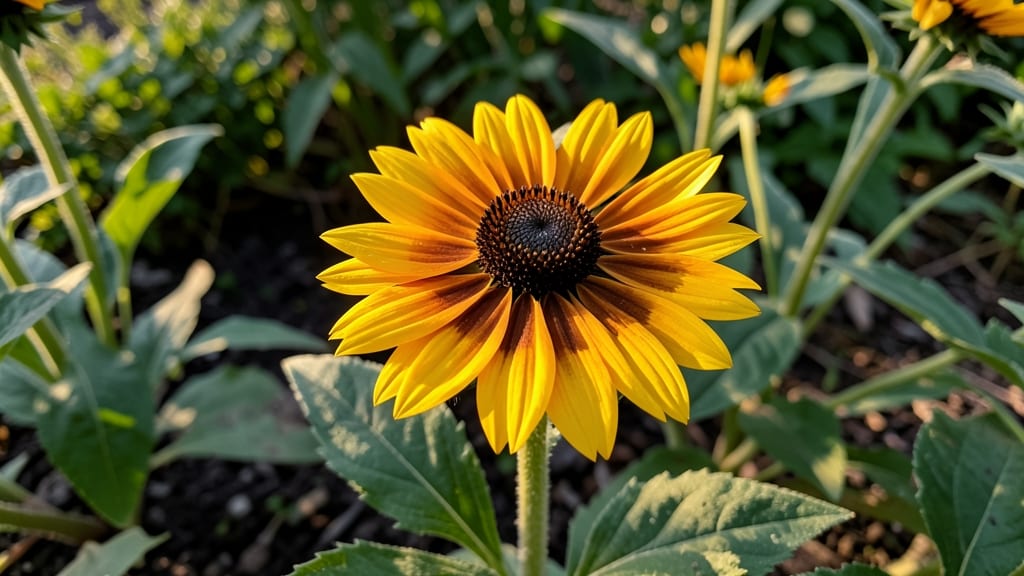
When summer starts to fade and other flowers retreat, black-eyed Susans step in to steal the show with their golden-yellow blooms and bold dark centers. These native perennials thrive in zones 3-9, making them a reliable choice for nearly every U.S. gardener, and their drought tolerance means less fuss once established.
Plant them in full sun for the most vibrant blooms, and they'll reward you with cheerful color from late summer through fall. Their ability to attract pollinators like bees and butterflies makes them a must-have for wildlife-friendly gardens. Plus, they self-seed easily, so you'll likely get more blooms year after year with minimal effort.
Perfect for low-maintenance gardeners or those in dry climates, black-eyed Susans bring late-season joy when many other flowers have already faded. 🌻
Chrysanthemums: Fall's Long-Blooming Star
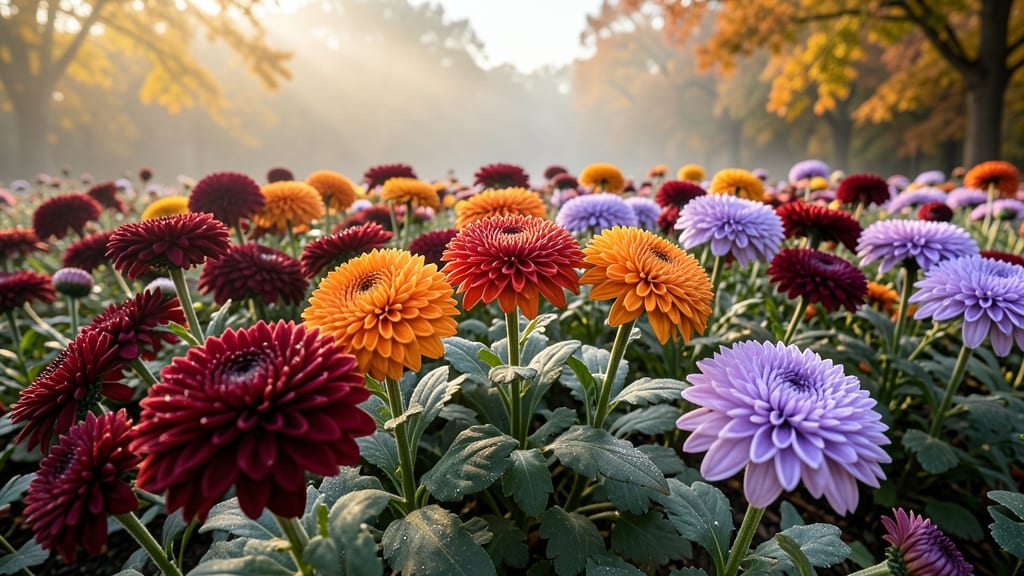
When summer blooms start fading and you're craving color, chrysanthemums (mums) swoop in like autumn's superstar. These hardy perennials thrive in zones 5-9 and deliver vibrant hues from late September through frost, often lasting weeks longer than other fall flowers.
Choose from 50+ colors—deep burgundy, sunny yellow, or soft blush—to extend your seasonal palette. Plant them in full sun for maximum blooms, and pinch back stems in early summer to encourage bushier growth. Mums also make excellent cut flowers, lasting 7-10 days in vases.
Perfect for container gardens, borders, or mass plantings, these low-maintenance beauties bring joy when most gardens wind down. Urban gardeners will love their adaptability to pots! 🌻
Pansies: Cool-Season Annuals for Spring and Fall
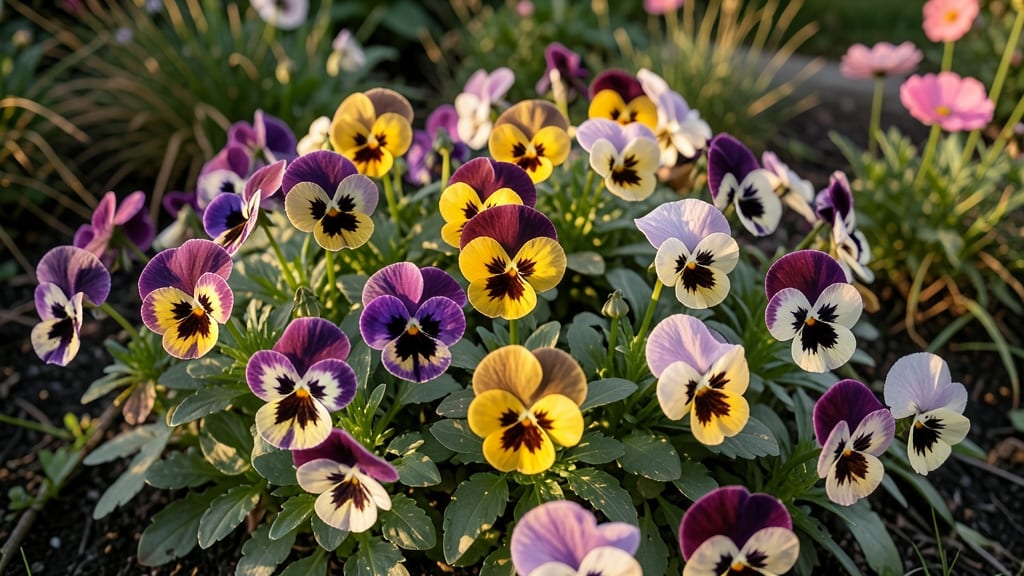
When summer heat fades and winter’s chill hasn’t yet arrived, pansies step in to steal the show with their bold, facial-patterned blooms. Unlike their summer counterparts, these cool-season superstars thrive in zones 7-10 (and act as annuals in colder regions), offering vibrant color from early spring through late fall—often when other flowers are taking a break.
Plant them in partial shade to prevent wilting, and choose varieties like ‘Sorbet’ or ‘Matrix’ for heat tolerance and disease resistance. Their edible petals (yes, really!) add a peppery kick to salads, making them a dual-purpose garden star. For best results, sow seeds 6-8 weeks before your last frost or buy young plants for instant impact.
Urban gardeners and small-space lovers adore pansies for their compact size and ability to bloom in containers, while pollinators can’t resist their nectar. They’re the perfect bridge between seasons—just don’t let their delicate looks fool you! 🌷
Crocuses: Winter's First Bloomers
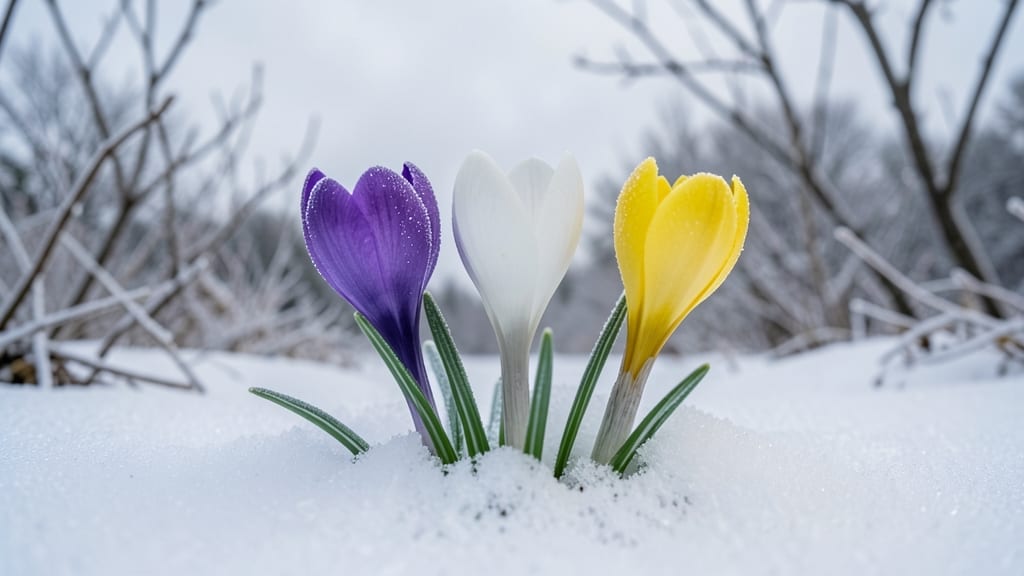
When winter’s gray skies feel endless, crocuses break through the snow like tiny bursts of hope, offering purple, white, and yellow blooms as early as late winter. These hardy perennials thrive in zones 3-8, making them the perfect choice for gardeners in cold climates who crave color before spring officially arrives.
Plant bulbs in fall (4-6 weeks before frost) in well-draining soil with full sun to partial shade, and they’ll naturalize beautifully in lawns, rock gardens, or woodland edges. Their early blooms also provide vital nectar for emerging pollinators when food is scarce. For best results, deadhead spent blooms but leave foliage until it yellows—this ensures next year’s flowers will be even more vibrant.
Ideal for beginners or urban gardeners with limited space, crocuses require almost no maintenance once established. Their ability to bloom through snow makes them a standout choice for winter interest. 🌱
Hellebores: Shade-Loving Winter to Early Spring Flowers

When your garden feels like a blank canvas in late winter, hellebores step in as the unsung heroes of shade. These elegant perennials bloom from February through April—often when snow still lingers—delivering delicate nodding flowers in whites, pinks, and deep purples that brighten dim corners.
Perfect for zones 4-9, hellebores thrive in dappled shade where most plants struggle, making them ideal for woodland gardens, under trees, or north-facing beds. Their evergreen foliage provides year-round interest, and they’re nearly pest-proof. Simply plant crowns in well-draining soil, water occasionally, and let them naturalize over time.
Shade gardeners and woodland enthusiasts will love how hellebores create a soft, romantic transition between winter dormancy and spring’s explosion of color. 🌷