
Advice
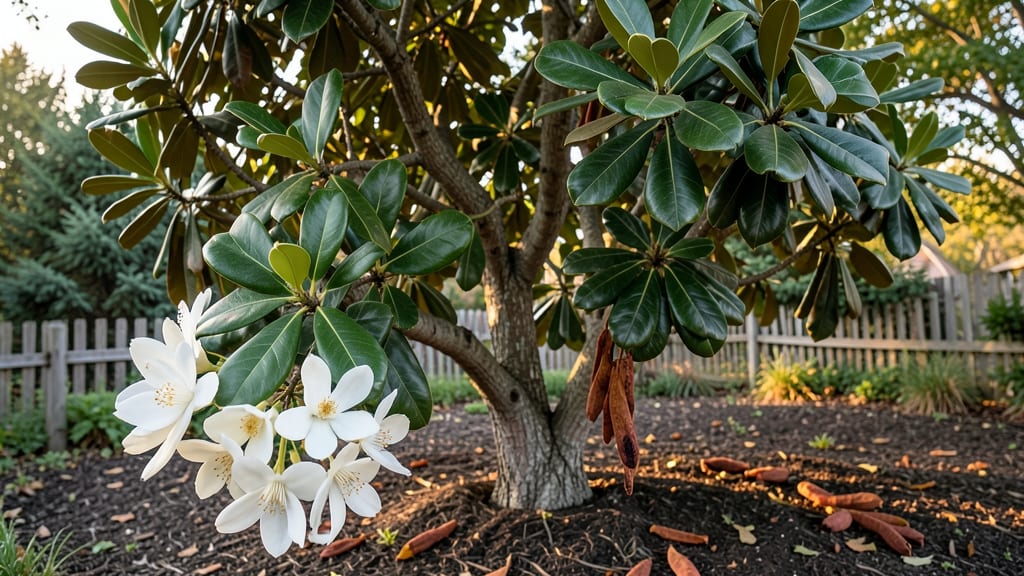
The seasons of growth for plants are triggered by strategic pruning, which stimulates dormancy, flowering, fruiting, and vegetative regrowth depending on climate and species timing. Proper cuts encourage hormonal shifts that align with seasonal cycles.
The seasons of growth in plants aren't just about sunlight or temperature—they're directly influenced by how and when you prune. 🌱 When you make precise cuts, you're essentially sending signals to the plant's hormonal system, telling it whether to focus on producing flowers, storing energy for winter, or pushing out fresh leaves.
For example, late-winter pruning often triggers spring blooms in shrubs like hydrangeas, while summer pruning can encourage dense foliage in perennials. The key is understanding each plant's natural rhythm and working with it, not against it.
What makes this even more fascinating is how climate plays a role. In temperate zones, most plants follow a predictable cycle of dormancy in winter and regrowth in spring, while tropical plants might have year-round growth with pruning adjustments for flowering seasons.
I've seen firsthand how a single misplaced cut can throw off a plant's entire cycle—like pruning too late in the season, which might delay next year's blooms. The timing really is everything.
💡 In This Article
- How Pruning Alters Plant Hormones Across Growth Seasons
- Seasonal Pruning Calendar for Major Plant Types
How pruning alters plant hormones across growth seasons
Pruning works like a biological reset button for plants by manipulating their natural hormone systems. The most critical player is auxin, a growth hormone produced in the tips of stems and leaves.
When you remove these growing points, auxin levels drop sharply, breaking what's called apical dominance—the plant's natural tendency to prioritize vertical growth over side shoots.
This hormonal shift immediately signals the plant to redirect energy toward lateral buds, which often means more branches, leaves, or flowers depending on the season. 🌿
The timing of your cuts determines which hormones take over next. For spring bloomers like roses or lilacs, pruning in late winter reduces auxin while boosting cytokinins—hormones that stimulate cell division in buds, triggering the flowering process.
In contrast, summer pruning of fruit trees (like apples) focuses on removing water sprouts, which are high in auxin and would otherwise divert energy from fruit development.
Even the angle of your cut matters: a clean, slanted cut exposes more surface area for faster wound healing, while jagged cuts can create entry points for disease.
Temperature and daylight also interact with these hormonal signals. In cooler climates, plants naturally enter dormancy as days shorten and temperatures drop.
Pruning in late fall or early winter removes excess growth that would otherwise require energy to survive winter, forcing the plant to focus on storing carbohydrates in roots and stems.
This is why dormant-season pruning is ideal for many deciduous trees—it mimics the plant's natural preparation for winter while giving you a head start on shaping growth for next season. 🍂
What's often overlooked is how ethylene gas comes into play during pruning. When you make a cut, damaged cells release ethylene, a hormone that triggers aging processes—like leaf drop or fruit ripening.
This is why you'll see new growth appear within days after pruning: the plant's response to ethylene signals it's time to regenerate.
For example, pruning a basil plant in early summer can cause it to bolt (flower) within weeks, but if you want leafy growth, you'd prune just before flowering begins to redirect that ethylene response toward foliage production.
Different plant types respond to these hormonal cues in unique ways. Evergreens like pine trees, which grow year-round in warm climates, don't follow the same seasonal rules as deciduous plants.
Their pruning should focus on removing dead branches (which lack auxin production) to prevent disease spread, while tropical plants might need year-round light pruning to maintain shape without triggering dormancy. The key is matching your pruning technique to the plant's native growth cycle and climate zone. 🌎
For instance, a peach tree in a temperate climate should be pruned in late winter to remove damaged wood and open the canopy for sunlight—this boosts flowering hormones in spring.
But if you prune too late in the season, you risk stimulating new growth that won't harden off before winter, leaving it vulnerable to frost damage.
The hormonal balance is delicate, and each cut is like sending a text message to the plant: "Focus on flowers now" or "Save energy for winter."