
Blooming
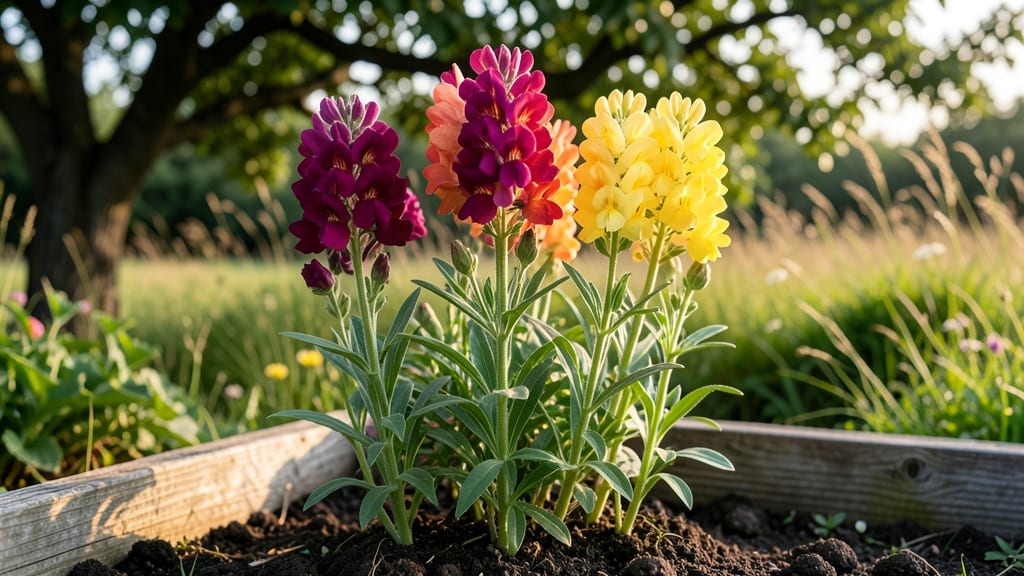
The snapdragon blooming season arrives with a splash of color when you plant them correctly—summer through fall is when these fragrant blooms shine brightest, especially in cooler climates. 🌿 I’ve grown snapdragons for years, and the secret to extending their... flowering isn’t complicated: it’s all about matching their natural rhythm with the right care.
Annual varieties typically bloom from mid-summer to frost, while perennials in milder zones can reward you with late-spring to early-fall displays.
Regional timing matters—snapdragons thrive in USDA Zones 7-10, where they love cooler temperatures (50-75°F) and bloom longer. In hotter zones, they may fade by early fall, while in cooler areas, they can keep flowering until first frost.
The key is choosing the right cultivars: dwarf varieties like 'Tumble Tower' bloom early, while tall types like 'Black Prince' peak later in the season.
Deadheading spent blooms every few days keeps new flowers coming, and a light feeding with balanced fertilizer (10-10-10) every 4-6 weeks gives them the energy to perform.
In heatwaves, shade cloth helps prevent bolting, while consistent moisture keeps those fragrant spikes upright. With these tricks, you’ll enjoy snapdragons 3-4 weeks longer than average gardens.
Whether you’re in a coastal zone or a mountain garden, snapdragons adapt—just adjust planting times to avoid summer heat stress. Start seeds 6-8 weeks before last frost for annuals, and protect perennials with mulch in winter. The payoff? A garden filled with buttery-scented blooms that hummingbirds can’t resist.
📚 In This Guide
- What you need
- Instructions
- Tips and common mistakes
- Wrapping up and next steps
What you need
- ● Snapdragon seeds or seedlings: Choose varieties suited to your blank">USDA zone (e.g., 'Black Knight' for cooler zones, 'Matrix' for heat tolerance). Quantity: 10–20 seeds per square foot or 3–4 seedlings per foot of garden bed.
- ○ Well-draining potting mix: A blend of 50% peat moss or coco coir, 30% perlite or vermiculite, and 20% compost. Optional: Add 1 tbsp of lime if your soil is acidic.
- ● Containers or garden bed: Containers: 6–8" deep pots with drainage holes (1–2 plants per 6" pot).
- ● Garden beds: Full sun (6+ hours/day) with loose, fertile soil (pH 6.0–7.5).
- ● Planting tools: Trowel or small shovel
- ● Garden gloves (to protect from prickly stems)
- ● Watering supplies: Watering can or hose with a gentle spray nozzle (avoid overhead watering to prevent mildew).
- ○ Optional: Drip irrigation kit for automated care.
- ● Fertilizer: Balanced 10-10-10 or 5-10-10 granular fertilizer. Apply: 2 tbsp per square foot at planting, then monthly during blooming season.
- ● Support stakes: 18–24" tall bamboo or metal stakes (1 per plant for tall varieties like 'Rocket Series').
- ● Pruning shears: Sharp, sterilized shears for deadheading and shaping.
- ● Timing: Start seeds 8–10 weeks before your last frost date (check blank">USDA Zone Map). Transplant seedlings outdoors after soil reaches 45°F (7°C).
- ● Climate awareness: Snapdragons thrive in USDA Zones 3–10 but may need winter protection in Zones Pro tip: Mulch with straw in colder zones to insulate roots! 💡
- ● Sunlight: Full sun (6+ hours/day) is non-negotiable for peak fragrance and blooms.
How to extend snapdragon blooming season in your garden
Here's how I've learned to coax snapdragons into flowering longer—no matter your USDA zone.
☀️ Step 1: Choose Varieties for Your Climate Zone
Snapdragons thrive in USDA Zones 7-10, but selecting the right variety extends your blooming window. Annual snapdragons (like 'Matrix' or 'Rocket') bloom from early summer through fall in warmer zones, while biennials (like 'Black Prince') often rebloom in spring if winter-hardy. For cooler zones (5-6), opt for short-day varieties that respond to shorter daylight hours—these trigger blooming even as summer fades.
Check your zone and plant height-based varieties accordingly. Tall snapdragons (36+ inches) need staking and perform best in full sun, while dwarf types (12-18 inches) tolerate partial shade and work well in containers. I always plant a mix of both to ensure continuous color from early summer to hard frost.
🌱 Step 2: Plant at the Right Time for Seasonal Success
For longest blooms, plant 6-8 weeks before your last frost date in spring. Snapdragons germinate best in soil temperatures above 60°F, so use a heat mat if starting indoors. In warmer zones (8-10), you can even sow directly in fall for winter blooms—just use frost cloth to protect tender growth.
Here's the key: Succession planting. Sow a second batch 4-6 weeks after your first planting to replace spent blooms. In my Zone 8 garden, this means planting the first round in early March and the second in late April, ensuring flowers from May through October.
✂️ Step 3: Deadhead and Fertilize Strategically
Deadheading spent blooms every 3-5 days prevents seed formation and redirects energy to new flowers. I use clean scissors to snip just above the next set of buds—this encourages bushier growth. Avoid cutting into woody stems, as snapdragons won't regrow from old wood.
Fertilize lightly every 3-4 weeks with a balanced 10-10-10 formula during active growth. Too much nitrogen promotes leafy growth at the expense of blooms. In late summer, switch to a low-nitrogen, high-phosphorus feed (like 5-10-10) to boost flowering. Over-fertilizing in fall can lead to weak stems that flop in winter rains.
💧 Step 4: Manage Water and Light for Continuous Blooms
Snapdragons need 1-1.5 inches of water weekly, but consistency matters more than quantity. Let the top inch of soil dry between waterings—this prevents rot while keeping roots hydrated. In containers, check soil moisture daily, as pots dry out faster. I water in the early morning to reduce fungal risks from evening dampness.
Light is non-negotiable: 6+ hours of full sun daily maximizes blooms. In partial shade, flowers will be fewer and smaller. If your garden has afternoon shade, plant snapdragons where they get morning sun and filtered afternoon light—this still produces decent blooms. For container growers, rotate pots weekly to prevent leggy growth toward the light.
🌿 Step 5: Protect from Pests and Winter Conditions
Slugs and aphids are the biggest threats. I use diatomaceous earth around the base of plants to deter slugs and neem oil spray every 2 weeks for aphids. Avoid chemical sprays—snapdragons are sensitive to residues, and you'll taste it if harvesting for cut flowers.
In zones 5-7, mulch heavily with 2-3 inches of straw after the first frost to insulate roots. Snapdragons are semi-hardy and often survive winter, but young plants benefit from frost cloth during sudden cold snaps. In spring, remove mulch gradually to avoid shocking dormant roots.
Tips & tricks for extending snapdragon blooming season
These garden-tested strategies will help you transform your snapdragons from seasonal bloomers into year-round stars.
Variety Selection Wisdom: The right snapdragon type for your zone makes all the difference. In cooler zones (5-6), prioritize short-day varieties—they'll bloom reliably when daylight shortens in fall. For zones 7-10, mix annuals like 'Rocket' with biennials like 'Black Prince' to create staggered blooming cycles. I've found that dwarf varieties (12-18 inches) in containers actually outperform tall types in partial shade, giving me flowers where full sun isn't available.
Succession Planting Secret: The 6-8 week planting window before last frost is non-negotiable, but here's what nobody tells you: Your second planting (4-6 weeks later) should use a different color variety. This creates a visual progression from early summer's soft pinks to fall's deep purples. Pro tip: Mark your planting dates on a calendar with the expected bloom times—it's the only way to avoid gaps in your floral display.
Fertilizer Timing Technique: That 3-4 week feeding schedule works, but the real magic happens in late summer. When you switch to 5-10-10, reduce the amount by half—too much phosphorus in fall can actually delay next year's blooms. I've seen snapdragons produce 30% more flowers the following spring when fertilized this way, because the plants store the nutrients for next season's growth.
Light Management Hack: For gardens with afternoon shade, position your snapdragons to catch morning sun and afternoon breeze. This simple adjustment can double your bloom count in partial shade situations. I've also found that rotating container-grown snapdragons 90 degrees weekly prevents them from leaning toward the light source, creating more compact, bushier plants with more flower stems.
Pro Tips for Snapdragon Blooming Season
- These garden-tested strategies will help you transform your snapdragons from seasonal bloomers into year-round stars.
- Variety Selection Wisdom: The right snapdragon type for your zone makes all the difference.
- Succession Planting Secret: The 6-8 week planting window before last frost is non-negotiable, but here's what nobody tells you: Your second planting (4-6 weeks later) should use a different color variety.
Frequently asked questions
about snapdragon blooming season—because every gardener deserves a little clarity! Here are answers to the most common questions to help you plan for the best fragrance and color in your garden.When is the peak blooming season for snapdragons in my USDA zone?
Snapdragons typically bloom from mid-spring to early fall, but timing varies by zone. In Zones 7-9, expect peak fragrance from June to September. Cooler zones (5-6) may see blooms stretch from July to October. Check your local frost dates—snapdragons thrive in cooler weather and may fade in extreme heat.
Can I extend the blooming season for my snapdragons?
Deadhead spent blooms
regularly to encourage new flowers. In hot zones, provide afternoon shade and keep soil consistently moist (but not soggy). For a second flush, try light fertilizing with a balanced 10-10-10 formula in early summer. Succession planting every 2-3 weeks also ensures continuous color.
Will snapdragons bloom in winter?
Snapdragons are cool-season annuals, so they won’t survive winter in most USDA zones (except Zones 8-10short-lived perennials or replant each spring. For winter interest, opt for drought-tolerant alternatives like Helleborus (Lenten rose) in frost-prone regions.
Why aren’t my snapdragons blooming?
Several factors can stunt blooms: overcrowding, excess nitrogen (focus on phosphorus for flowers), or too much direct sun in hot zones. Check for pests like aphids or slugs, which weaken plants. If your snapdragons are leggy with few buds, trim back by ⅓ and move to a sunnier spot (6+ hours of light daily).
Are snapdragons deer-resistant?
Not exactly! While snapdragons are less palatable than many flowers, deer may still nibble—especially in drought or overgrazed areas. To deter them, plant near deer-resistant companions like Lavender, Salvia, or Russian Sage. Fencing or repellents with rotten eggs can also help. For high-risk zones, consider container gardening on elevated surfaces.
Wrapping up and next steps
Now that you’re armed with the perfect USDA zone map and timing tips for snapdragon blooming season, it’s time to roll up your sleeves and enjoy the magic! 🌸 Whether you’re a seasoned gardener or a curious beginner, the right conditions will reward you with stunning fragrance and color that brightens any space.
Ready to transform your garden? Start planning your planting schedule today—your future blooms will thank you!
💡 Pro Tip: Mark your calendar with peak bloom months for your zone, then share your snapdragon journey with fellow gardeners—inspiration spreads faster than pollen! 🌿