
Planting
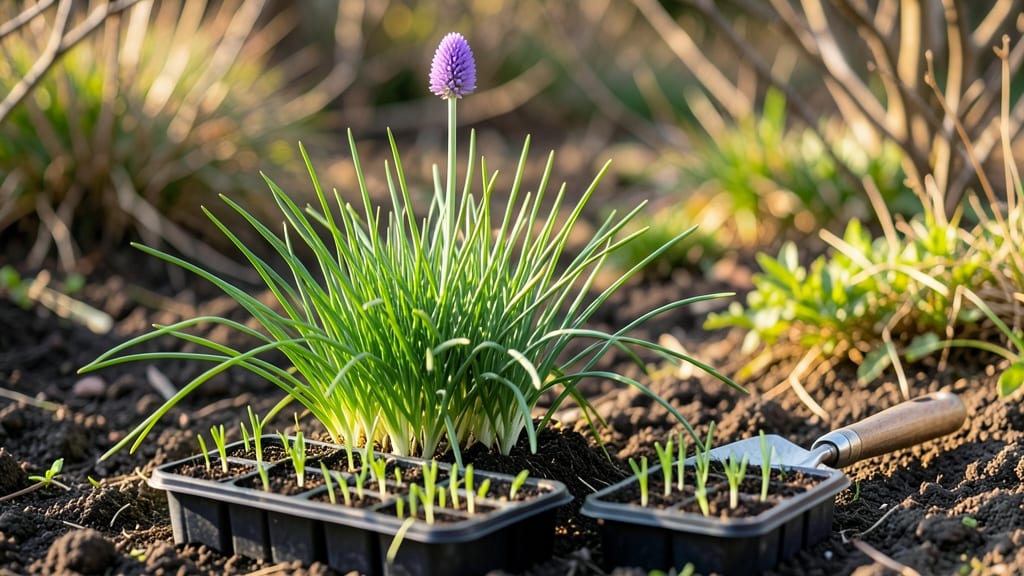
A Zone 4A planting schedule aligns with last frost around mid-May and first frost by mid-September, starting cold-hardy crops like spinach in early spring, transplanting tomatoes in late May, and harvesting before hard frost hits. Warm-season plants peak from June to August, while fall crops like kale can be sown in August for winter harvests.
A Zone 4A planting schedule hinges on understanding your local frost patterns—what feels like "mid-May" can vary by 1-2 weeks depending on whether you're near the Great Lakes or the northern plains. 🌱 Urban gardens often experience microclimates that delay frost by 5-10 days, while higher elevations may need adjustments.
For example, I've seen peas thrive in March in sheltered valleys but fail in exposed highland areas. The key is to monitor soil temperatures: most cool-season crops need 40-50°F to germinate, while warm-season plants like peppers demand 60°F+ for consistent growth.
Succession planting is your secret weapon for continuous harvests. After transplanting tomatoes in late May, I'll sow bush beans every 2 weeks through July to keep the harvest going until September. This works because beans mature quickly (about 50 days) and tolerate cooler temps better than tomatoes.
For fall crops, kale planted in August often survives light frosts and sweetens with exposure to 20-30°F temperatures—just don't let it freeze solid!
💡 In This Article
- Understanding Zone 4A Frost Dates and Microclimates
- Monthly Planting Calendar for Zone 4A Gardens
Understanding zone 4A frost dates and microclimates
Zone 4A's frost timing isn't uniform—it varies by 1-3 weeks across its geography. The Great Lakes region typically sees last frosts around May 15-20, while the northern plains may delay until May 25-30 due to lake-effect cooling.
This happens because cold air masses linger longer over water, creating a 5-10°F temperature buffer near shorelines. Meanwhile, urban areas can experience "heat islands" that delay frost by 5-14 days due to concrete absorbing and radiating heat.
The USDA's average frost dates serve as guidelines, but actual occurrences can shift ±10 days annually. For instance, in 2022, Minneapolis recorded its last frost on May 28—14 days later than the 30-year average—while Fargo saw frost as late as June 2.
This variability is why gardeners track soil temperatures (not just air temps) using probes: cool-season crops like lettuce need 40-50°F soil for germination, while warm-season plants like cucumbers require 60°F+.
Elevation plays a critical role too. Gardens at 1,000+ feet often experience 3-5°F cooler nighttime temps, requiring adjustments like using row covers or planting heat-loving crops 2 weeks later.
For example, I've seen tomatoes transplanted on June 1 in valley locations succeed where June 15 was needed just 500 feet higher. The same principle applies to first frosts: highland areas may see them 1-2 weeks earlier than lowland spots.
Microclimates create pockets where frost behaves differently. A south-facing slope might warm 2-3°F faster than a north-facing one, allowing earlier planting of frost-sensitive crops like basil.
Conversely, low-lying areas can trap cold air, creating "frost pockets" where tender plants like peppers may need protection until June 20—even when nearby gardens are frost-free.
This is why I always scout my garden in late April: placing a frost thermometer in the coldest spot reveals the true last-frost date.
Historical data shows frost patterns shifting northward by 1-2° latitude per decade due to climate change. While this extends growing seasons, it also increases risk of late-spring frosts damaging early blooms. For example, 2018's April freeze in the Upper Midwest killed 30% of apple blossoms in some orchards.
To hedge against this, I've adopted a 3-phase planting strategy: sow cold-hardy crops first, wait 10 days before planting tender varieties, and have row covers ready for unexpected cold snaps.
Here's how to adapt: Use the 10-day rule—wait until 10 days have passed without frost before planting sensitive crops. For Zone 4A, this typically means June 1 for tomatoes and June 15 for peppers in most locations.
Pair this with a frost-free date calculator (like the Old Farmer's Almanac's) that accounts for your specific latitude and elevation. 🌱