
Planting
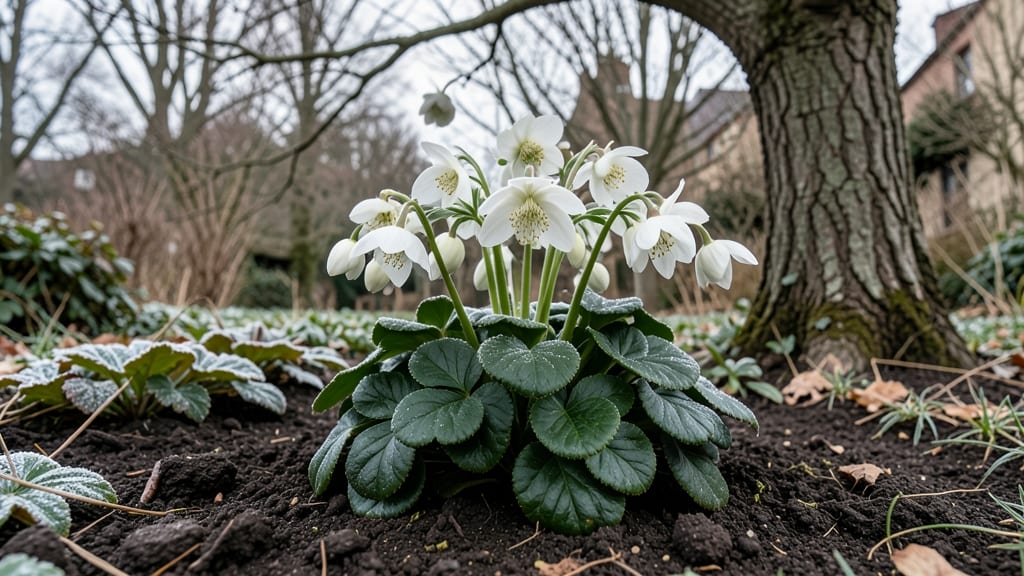
Snow in summer plant zones forces plants into heat shock, but creating localized cooling zones with shade structures, wind barriers, and precise irrigation can safeguard sensitive species while preserving their growth cycles.
When summer temperatures spike unexpectedly in regions that normally experience winter snowfall, plants struggle to adapt—especially those accustomed to cooler climates.
The key lies in mimicking natural microclimates where temperature fluctuations are gentler. 🌡️ For example, a simple 30% shade cloth can reduce soil temperatures by 10-15°F, while drip irrigation systems maintain moisture levels that prevent heat stress.
I've seen container gardens thrive in these conditions when paired with reflective mulch, which bounces sunlight away from delicate roots. The goal isn't just survival—it's creating an environment where plants can continue flowering or fruiting despite the unusual weather.
This approach works particularly well for ornamental perennials like hostas or ferns, which wilt quickly in direct summer sun. Even tropical plants, when given the right conditions, can adapt surprisingly well. The trick is balancing protection with enough sunlight to prevent leggy growth—a common issue in overly shaded microclimates.
For container plants, elevating them on stands improves airflow around the roots, further reducing heat buildup.
💡 In This Article
- How Microclimates Shield Plants from Summer Heat
- Best Plants for Snow-in-Summer Microclimates
How microclimates shield plants from summer heat
Microclimates work by creating localized conditions that differ from the surrounding environment, essentially giving plants their own climate control. The science behind this involves three key factors: radiation reduction, evaporative cooling, and airflow modulation.
Shade cloth, for example, blocks up to 70% of sunlight, which can lower air temperatures by 10-20°F compared to full sun exposure. This reduction in solar radiation prevents the soil from overheating, which is critical because root zones above 85°F often trigger heat stress in most plants. 🌿
Passive cooling methods like mulch and reflective surfaces play a crucial role too. Organic mulches, such as straw or wood chips, act as insulators that maintain cooler soil temperatures by reducing heat absorption. Studies show that a 3-inch layer of mulch can keep soil 5-10°F cooler than bare ground.
Meanwhile, reflective materials like white gravel or aluminum foil reflect sunlight away from plants, creating a cooling effect similar to how a white car stays cooler than a black one in summer. These passive techniques require minimal energy but deliver significant temperature control.
Active cooling methods take this a step further by introducing dynamic elements like drip irrigation or evaporative cooling systems. Drip irrigation not only provides moisture but also creates a cooling effect as water evaporates from plant leaves—a process called transpirational cooling.
This can lower leaf temperatures by 5-15°F, depending on humidity levels. For container plants, self-watering systems with reservoirs maintain consistent moisture, preventing the soil from drying out and becoming a heat sink.
In extreme cases, misting systems or even small fans can enhance airflow, reducing the heat index around plants by up to 3°F. 💦
Windbreaks also play a surprising role in microclimate management. By reducing wind speed, they decrease the rate of water loss from plant leaves and soil, which is especially important in hot, dry conditions.
A well-placed windbreak can lower wind speeds by 30-50% in the leeward zone, creating a more stable microclimate. This is particularly useful for delicate plants like ferns or hostas, which wilt quickly when exposed to direct wind and sun.
The combination of reduced wind and shade creates a buffer zone where plants can thrive despite the broader environmental stress.
What most gardeners don't realize is how quickly these microclimates can be established. A simple 50% shade cloth over a raised bed can transform a scorching summer day into a manageable growing condition for heat-sensitive plants.
The key is layering these techniques—combining mulch for soil insulation, shade for radiation control, and irrigation for evaporative cooling.
For example, pairing a lightweight shade cloth with a drip irrigation timer set for early morning watering can create an ideal microclimate where plants like impatiens or begonias continue to flourish even in unexpected heatwaves. 🌱
For container gardens, the principles are the same but scaled to smaller spaces. Elevating pots on café-style stands improves airflow beneath them, while using light-colored containers reduces heat absorption. Adding a layer of hydroponic clay pebbles at the bottom of pots enhances drainage and further insulates roots from extreme temperatures.
These adjustments might seem minor, but they can mean the difference between a plant that wilts and one that thrives in summer's unexpected heat. The goal isn't perfection—it's creating conditions where plants can adapt and grow, even when the broader environment seems hostile. 🌡️