
Shrubs
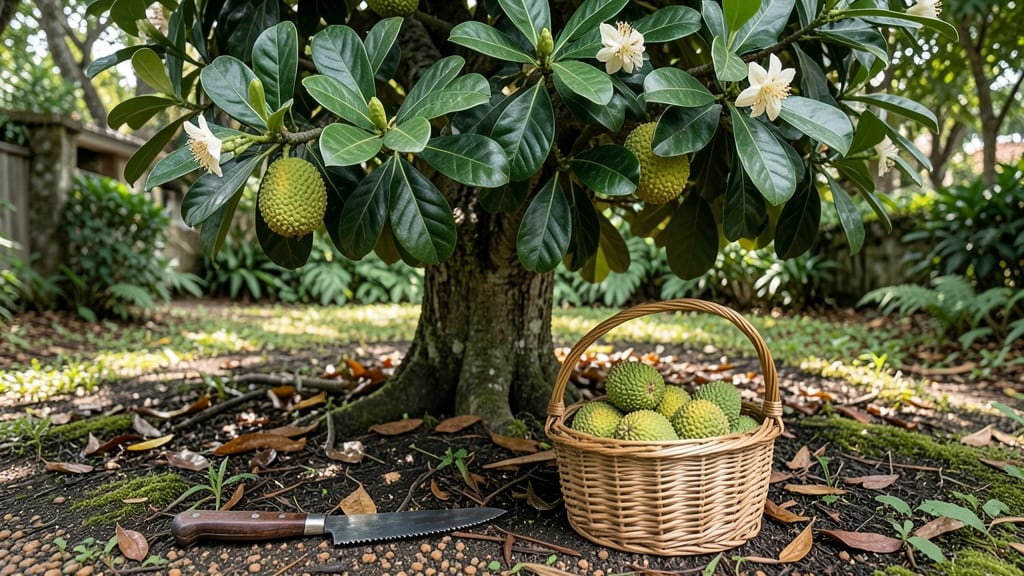
Florida’s soursop season runs from September through March, with peak sweetness hitting between October and January 🥝 — but knowing the exact timing for your region makes all the difference.
If you’ve ever tasted Florida’s famous soursop fruit, you know its creamy, tropical flavor is worth the wait—but timing is everything. Harvesting soursop at the right moment transforms it from tart to sweet perfection, and missing the window means bitter disappointment.
Coastal areas like Miami and Fort Lauderdale enjoy longer harvest seasons, while inland regions near Orlando may see slightly earlier ripening. Humidity, temperature shifts, and even rainfall play a role in when your tree’s fruit reaches its prime.
In this guide, I’ll break down the exact months for your part of Florida, how to spot a perfectly ripe soursop, and pro tips to maximize your yield—so you never miss another harvest again.
Soursop season timeline in Florida: exact months by region (2024 guide)
Florida’s soursop season varies dramatically by region, influenced by temperature fluctuations and rainfall patterns. In South Florida, where winters are mild, you’ll find ripe fruit as early as September, while North Florida growers typically wait until November or December for peak harvests.
Understanding these regional differences ensures you don’t miss the 3–4 month harvest window when soursops reach their creamy, custard-like perfection.
Soursop trees (Annona muricata) thrive in Florida’s USDA Zones 9a–11, but even within these zones, microclimates create noticeable shifts in ripening times.
For example, Central Florida’s Orlando and Tampa areas often see harvests stretch from October through February, while Miami and the Keys may experience year-round fruiting with staggered production. Rainfall also plays a critical role—too much can dilute flavor, while drought stress can delay ripening.
Key indicators of ripe soursop include a shift from deep green to yellow-green, a sweet tropical aroma, and slight softness when gently squeezed. Missing these cues means harvesting fruit that’s either underripe (tart) or overripe (mushy). Below, I’ve broken down the exact monthly harvest windows for Florida’s three main regions, plus tips to extend your season.
🌱
| Region | Early Season | Peak Season | Late Season | Key Climate Notes |
|---|---|---|---|---|
| South Florida (Miami, Keys, Palm Beach) | September–October | October–December | December–January | Warmer winters; minimal frost risk; higher humidity |
| Central Florida (Orlando, Tampa, Gainesville) | October–November | November–January | January–February | Cooler winters; occasional 30°F dips; variable rainfall |
| North Florida (Jacksonville, Tallahassee) | November–December | December–February | February–March | Coldest region; risk of light frost in January; drier winters |
If you’re growing soursop in South Florida, you can expect the first early-season fruits to appear in September, with the bulk of your harvest arriving between October and December.
This region’s warmer temperatures and higher humidity create ideal conditions for continuous fruiting, but hurricane season (June–November) can damage trees and delay ripening. To protect your crop, prune weak branches in late summer and mulch heavily to retain moisture.
In Central Florida, where temperatures dip closer to 40°F in winter, soursop trees enter a dormant-like state, slowing fruit production.
However, mature trees often produce hardier fruit that ripens later in the season. Gainesville gardeners should monitor for early frost warnings in December and consider row covers for young trees. The peak harvest window (November–January) aligns with Florida’s dry season, so deep watering becomes critical to maintain fruit quality.
For those in North Florida, soursop season arrives latest due to cooler winters. Trees may produce fewer fruits but often yield larger, sweeter soursops when conditions are right. Jacksonville’s December–February window is your best bet for harvest, but be prepared for unpredictable weather.
A sudden cold snap can stunt ripening, while abundant rainfall in late winter may cause fruit to split. To mitigate risks, plant windbreak barriers and avoid over-fertilizing in spring.
Regardless of your region, temperature spikes above 90°F during summer months can stress soursop trees, leading to blossom drop or poor fruit set. To maximize your 2024 harvest, focus on consistent watering (especially in June–August) and light pruning to improve airflow.
In South Florida, you might even see a second flush of fruit in late winter, while Central and North Florida trees may produce sparser crops until the following year.
Pro tip: Use a harvest calendar to track fruit development. Mark the day you spot the first yellowing soursops and count 4–6 weeks until peak ripeness.
For commercial growers, this timing helps align with market demand, while home gardeners can plan family gatherings around the creamy, dessert-like fruit at its best.
🌿
How to harvest soursop fruit: step-by-step tips for maximum yield
Harvesting soursop fruit at the perfect moment ensures that creamy, sweet pulp you crave—not the bitter disappointment of overripe or underripe fruit. In Florida, soursop trees produce fruit year-round, but the peak harvest window runs from October through January, with regional variations.
Knowing when and how to harvest will maximize your yield and preserve that coveted tropical flavor.
First, identify ripe soursop by its visual and tactile cues. Look for fruit that has shifted from bright green to yellow-green or pale yellow. A ripe soursop will also emit a sweet, tropical aroma when you hold it near your nose.
Gently press the skin—it should yield slightly under thumb pressure but not feel mushy. If the fruit resists, it’s not ready yet.
Harvesting too early or too late ruins flavor and texture. South Florida trees may fruit as early as September, while North Florida trees peak in December-January. Check for yellow-green skin and a sweet scent—never harvest based on size alone!
When harvesting, use a sharp pruning shear or knife to cut the fruit from the tree, leaving a small stem stub (about ½ inch). Avoid pulling or twisting, which can damage the tree and the fruit.
Work gently but firmly—soursop skin is delicate, and rough handling bruises easily. Early morning is the best time to harvest because the fruit is cooler, reducing bruising and preserving freshness longer.
Once harvested, handle soursop with care to avoid bruising. Place them in a single layer in a cardboard box or mesh bag to allow airflow. Store them at room temperature (around 70°F) for up to 5–7 days.
For longer storage, refrigerate at 50–55°F for up to 2 weeks. Never wash the fruit until you’re ready to use it—moisture speeds up spoilage.
One common mistake is waiting until the fruit is overripe and mushy. Overripe soursop loses its signature creamy texture and develops a fermented, off-flavor. Equally problematic is harvesting too early—unripe fruit tastes bitter and seedy, making it inedible.
To test ripeness, cut into the fruit: ripe soursop has white, creamy pulp with minimal brown spots.
After harvesting, enjoy your soursop within a few days for the best flavor and texture. If you’re not ready to use them, store them in the fridge and bring them to room temperature before cutting to enhance their sweetness.
With the right timing and care, your Florida soursop harvest will be a tropical delight worth every minute of effort. 🌱