
Planting
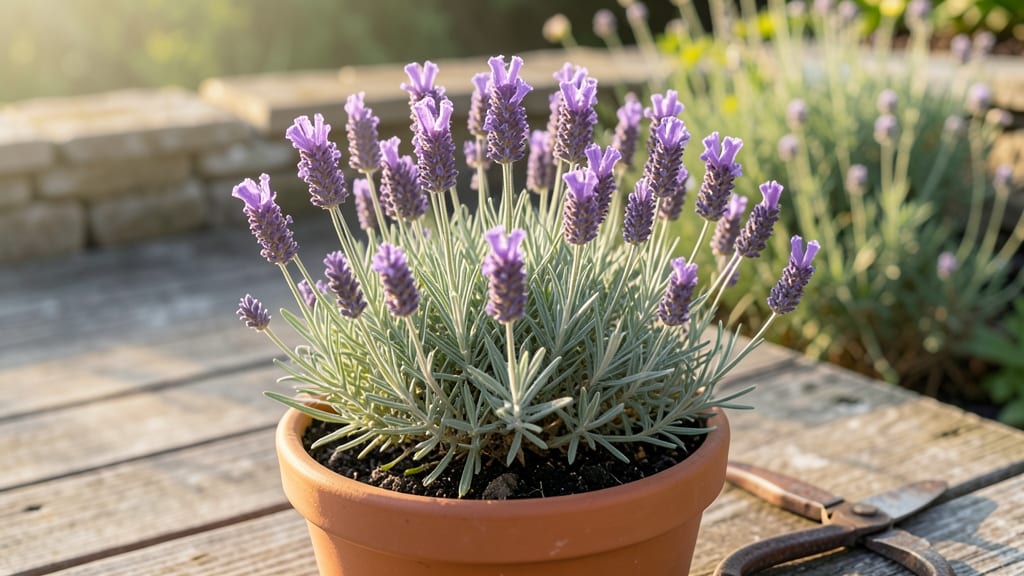
Spanish lavender grows best in USDA Hardiness Zones 7 through 10, where Mediterranean-style climates with warm summers and mild winters support its drought-resistant nature and vibrant blooms.
Spanish lavender thrives in these zones because it mimics its native Mediterranean environment—think 60-90°F summers and winters rarely dropping below 20°F.
The plant’s deep roots and silvery foliage make it exceptionally drought-tolerant, but it still needs well-draining, slightly alkaline soil to prevent root rot. 🌿 Unlike French lavender, which prefers cooler climates, Spanish lavender handles heat better, making it ideal for Southern states where summers can be intense.
If you're in a marginal zone like Zone 6, mulching or container planting with winter protection can help extend its growing season.
💡 In This Article
- Climate and Soil Requirements for Spanish Lavender Growth
- Best Regions in the U.S. for Planting Spanish Lavender
Climate and soil requirements for Spanish lavender growth
Spanish lavender evolved in the Mediterranean basin, where summers reach 90-100°F and winters rarely dip below 20°F. This hardiness explains why it thrives in Zones 7-10, where hot, dry conditions mirror its native habitat.
The plant's deep taproot system (reaching 3-5 feet) allows it to access moisture deep underground, making it far more drought-tolerant than French lavender, which prefers cooler, more temperate climates. 🌡️
Soil composition plays a crucial role—Spanish lavender demands alkaline soil (pH 7.0-8.0), which prevents the fungal diseases that plague it in acidic conditions. Unlike French lavender, which tolerates slightly acidic soils, Spanish lavender's leaves can develop brown tips if the pH drops below 6.5.
The soil must also be well-draining, as even brief waterlogging causes root rot. A mix of 50% sand and 50% gravel mimics its natural rocky Mediterranean terrain.
What sets Spanish lavender apart is its heat tolerance. While French lavender wilts above 85°F, Spanish lavender maintains its vibrant purple blooms in 100°F+ heat—a key reason it excels in Southern states. The plant's silvery foliage isn't just decorative; it reflects sunlight, reducing water loss through transpiration.
This adaptation lets it thrive with only 1 inch of water per month once established, compared to French lavender's 2-3 inches requirement.
Seasonal timing matters too: Spanish lavender blooms from late spring to early fall, with peak fragrance during morning hours. Unlike French lavender, which often reblooms in fall, Spanish lavender's blooms fade after summer heatwaves.
This explains why coastal regions (like California's Zone 9-10) produce more consistent blooms than inland desert areas (Zone 8) where extreme daytime heat can stress the plant.
For gardeners in marginal zones (Zone 6), understanding these requirements is critical. Spanish lavender won't survive winter without protection, but with mulch layers (4-6 inches) or container planting, it can extend its growing season.
The key difference from French lavender is that Spanish varieties like 'Grosso' or 'Papillon' handle heat better but need winter safeguards in colder regions. 🌿
One common mistake is assuming all lavenders have identical needs. Spanish lavender's alkaline preference means never using compost with high organic matter (which lowers pH). Instead, amend soil with crushed limestone or wood ash to maintain that crucial 7.0-8.0 pH range.
This precision in soil chemistry explains why Spanish lavender often outshines other varieties in hot climates.
For optimal growth, pair these climate requirements with full sun exposure (6-8 hours daily). The plant's drought tolerance doesn't mean neglect—regular pruning after blooming encourages dense, fragrant foliage.
Unlike French lavender, which benefits from spring pruning, Spanish lavender responds best to late-summer trimming to prevent woody stems. This timing aligns with its natural Mediterranean growth cycle. 🌸