
Planting
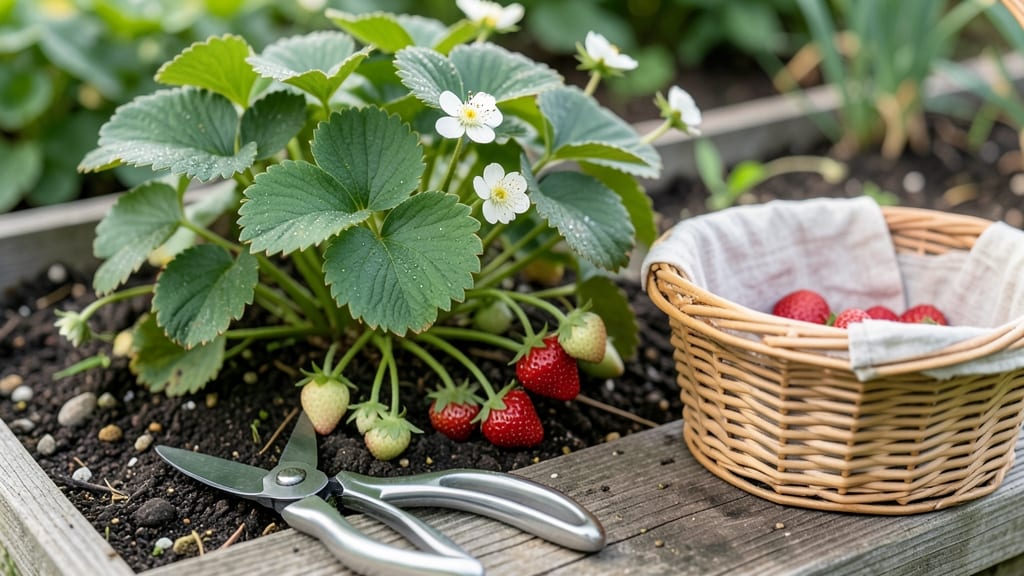
California strawberries are in season from late April through June, with coastal areas like Ventura and Santa Maria harvesting earlier than inland regions like Oxnard and Watsonville. Choose berries with deep red color, firm texture, and a sweet fragrance for peak ripeness.
California's strawberry season unfolds like a culinary calendar, with coastal regions basking in milder temperatures that accelerate ripening. 🌱 The coastal advantage means you'll find prime strawberries as early as March in Santa Maria, while inland areas like Oxnard peak closer to May.
This regional timing isn't just about dates—it's about how microclimates interact with irrigation and soil types to create flavor profiles that vary from tart to intensely sweet. I always recommend visiting local farms during these peak windows, as the berries taste dramatically better when freshly picked and fully ripe.
What truly sets California strawberries apart is their consistency in quality, thanks to advanced farming techniques like drip irrigation and shade cloths that protect against heat stress. The deep red hue you should seek isn't just about looks—it indicates full ripeness and higher sugar content.
A firm berry with a slight give at the top is another telltale sign, while that sweet aroma means you're getting berries at their absolute peak. Pro tip: Buy in the morning when berries are coolest and most flavorful.
💡 In This Article
- California Strawberry Season Timeline by Region
- How to Pick the Best California Strawberries at Farmers Markets
California strawberry season timeline by region
California's strawberry season unfolds like a geographical puzzle, where coastal and inland regions follow distinct calendars due to temperature variations and microclimates. Coastal areas like Santa Maria and Ventura benefit from cooler Pacific breezes that create ideal growing conditions, allowing berries to ripen 2-3 weeks earlier than inland regions.
For example, Santa Maria's strawberries often reach peak sweetness by early April, while Watsonville's follow in mid-April. This coastal advantage stems from temperatures hovering around 60-70°F during the day, perfect for strawberry development.
The inland regions like Oxnard and Watsonville experience hotter inland summers, delaying ripening until late April through June.
These areas rely on advanced irrigation systems that deliver precise water amounts to combat heat stress, which can otherwise cause berries to become tart or mealy. 🌱 The key difference lies in nighttime temperatures: coastal regions maintain cooler nights (50-55°F), while inland areas can drop to 45°F or rise above 80°F during the day, both of which affect sugar development and flavor.
What most people don't realize is how these regional differences impact flavor profiles. Coastal strawberries tend to be slightly more tart with vibrant acidity, while inland varieties develop deeper sweetness due to longer exposure to sunlight.
The Santa Maria region, for instance, produces strawberries with a balance of sweetness and acidity, making them ideal for fresh eating, while Oxnard's berries often have a richer, jammy quality perfect for baking.
This regional variation means your best bet for peak flavor is to time your purchases with local harvest windows.
Temperature plays a crucial role in determining when strawberries ripen. Strawberries need consistent daytime temperatures between 65-85°F and cooler nights to develop properly. When nights stay too warm (above 70°F), the berries may ripen unevenly or develop off flavors.
Coastal areas naturally provide this ideal balance, while inland growers use techniques like shade cloths to regulate temperature and extend the harvest season. These methods allow inland regions to produce strawberries well into June, while coastal production tapers off by early summer.
Another fascinating factor is how elevation affects ripening times. Higher elevations like the San Joaquin Valley regions often produce strawberries that ripen slightly later than coastal areas but develop more complex flavors due to cooler nights.
The combination of these variables—temperature, elevation, and irrigation—creates a mosaic of strawberry seasons across California, ensuring that no matter where you are, you can find fresh, flavorful berries for several months each year.
Understanding these regional patterns helps you plan your strawberry purchases for maximum enjoyment. If you're craving early-season berries, head to coastal farmers markets starting in March. For richer, jammy varieties, wait until late spring when inland regions reach their peak.
The key is to align your taste preferences with the natural ripening cycles of each region, ensuring you get the best possible flavor from California's renowned strawberries.