
Advice
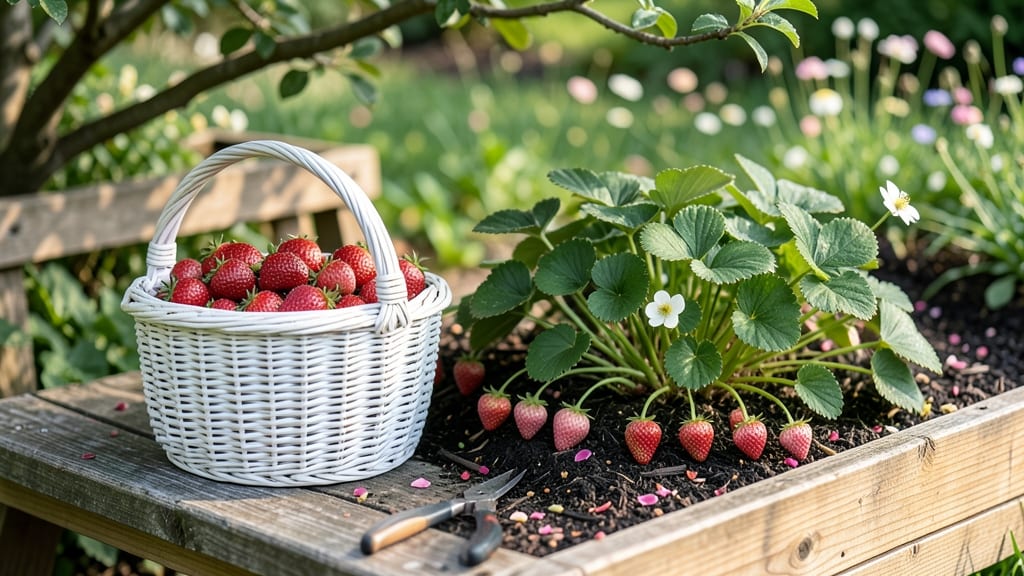
Strawberry season in the USA runs from March in Florida to July in the Pacific Northwest—and knowing your zone means never paying $4 for a pint again. 🌱 I’ve learned the hard way that Southern strawberries in June are a different beast from Northern ones in May, and the flavor?
Night and day. The secret to timing your harvest (or garden planting) comes down to two things: your hardiness zone and whether you’re growing June-bearing or everbearing varieties.
Most Americans live in zones where strawberries peak between April and June, but that’s just the start. In the Deep South, you can find fresh berries as early as February, while Pacific Northwest gardeners wait until late May or June for their June-bearing plants to ripen.
Everbearing varieties stretch the season, giving you two harvests—one in spring and another in fall—if you’re in zones 5-8. The key is matching your planting window to your last frost date, not just the calendar.
What you’ll get right is strawberries so sweet they taste like sunshine—juicy, fragrant, and bursting with flavor that store-bought berries can’t match. A well-timed harvest means you’ll enjoy them at their peak, and if you’re growing your own, you can extend the season with row covers or cold frames.
The payoff? A summer of berries that make your neighbors jealous and your freezer stocked with jam for winter.
Whether you’re planning a garden or just tracking farmers’ market seasons, this guide helps you pinpoint the exact months to expect strawberries in your area—and how to make them last longer. No more guessing, just sweet, predictable harvests all season long.
📚 In This Guide
- What you need
- Instructions
- Tips and common mistakes
- Wrapping up and next steps
What you need
- ● Strawberry plants: June-bearing (10–15 plants) or everbearing (5–8 plants) varieties
- ● Organic or disease-resistant types (e.g., Chandler, Albion, or Seascape)
- ● Growing space: Raised beds (4’x8’), containers (10"+ depth), or in-ground plots (full sun, 6–10 hrs/day)
- ● Well-draining soil (pH 5.5–6.8) or potting mix (for containers)
- ● Soil amendments: Compost (2–3 gallons per plant)
- ● Balanced fertilizer (10-10-10, 1 lb per 100 sq ft)
- ● Tools: Garden gloves (nitrile-coated for durability)
- ● Hand trowel or transplanter
- ● Watering can or drip irrigation system
- ● Pruners (sterilized, for trimming runners)
- ● Mulch (straw or pine needles to retain moisture)
- ● Row covers (frost cloth for early/late seasons)
- ● Strawberry jars or baskets (for harvesting/picking)
- ● Pest deterrents (neem oil, diatomaceous earth)
- ● Garden journal (to track planting dates & yields)
When to harvest strawberries in each growing zone
Timing matters more than you'd think—pick too early or late, and you miss peak flavor. Here's how to align your harvest with your zone's natural rhythm.
📅 Step 1: Identify Your Growing Zone and Peak Months
First, locate your USDA hardiness zone (check the USDA Plant Hardiness Zone Map). Most strawberries thrive in zones 5-9, with harvest windows varying dramatically. Zone 5 (northern climates) peaks in late June to early July, while zone 9 (southern deserts) enjoys February to March harvests. Remember, June-bearing varieties dominate commercial fields, but everbearing and day-neutral types extend seasons.
Here's the rule of thumb: June-bearing strawberries produce one massive crop in late spring to early summer, while everbearing types give two smaller harvests—early summer and fall. Day-neutral varieties keep producing throughout the growing season if temperatures stay mild. Check your plant tags—they list expected harvest windows based on your zone.
☀️ Step 2: Watch for Ripeness Cues Beyond Color
Don't grab the first red berry you see—immature fruit lacks sweetness. True ripeness shows when berries develop full red color (or the variety's mature hue) and plump slightly. Gently squeeze—ripe strawberries yield slightly to pressure, while unripe ones feel firm. The real test? Look for white seeds—they darken as the fruit matures, signaling peak flavor.
Morning harvests yield the sweetest berries, as overnight cooling enhances sugar development. Avoid picking when temperatures exceed 85°F—heat stress makes fruit mealy. I always harvest within 24 hours of ripening to preserve texture and prevent birds from beating me to them.
⏰ Step 3: Time Your Harvest for Optimal Flavor
For June-bearing varieties, plan to harvest every 2-3 days during peak season—missing the window means watching berries spoil on the vine. Everbearing types need weekly checks as they produce smaller batches. Day-neutral varieties demand consistent weekly harvesting to encourage continuous production.
Here's the pro move: Harvest in the coolest part of the day (early morning) and store in the fridge until use. If you can't process immediately, freeze whole berries on a tray first—they'll keep their shape better than if you toss them frozen directly into bags.
🌱 Step 4: Extend Your Strawberry Season Strategically
Want berries beyond your zone's natural window? Plant fall-bearing varieties in early summer—they'll produce next spring. In warmer zones (7-10), use shade cloth during peak summer heat to prevent sunburn. I've even seen gardeners in zone 9 harvest year-round by using low tunnels in winter to protect plants from frost.
Don't overlook container growing—pots let you move plants to optimal sun exposure. If your zone gets hot summers, elevate containers to improve air circulation. And here's a secret: Mulch heavily with straw to keep soil cool and retain moisture, which directly impacts fruit sweetness.
✂️ Step 5: Maintain Plants for Next Season's Harvest
After your final harvest, remove all leaves that touch the ground—this prevents disease buildup. In zones 5-7, apply 4-6 inches of mulch before winter to insulate roots. For zones 8-10, focus on consistent watering during dry spells. I always fertilize lightly in early spring with 10-10-10 to jumpstart new growth.
Here's what I've learned: Renovate old plants every 3-4 years by cutting back foliage and dividing crowns. This rejuvenates production and prevents decline. And if your berries get smaller each year, it's time to replace plants—they'll thank you with bigger, sweeter fruit next season.
Tips & tricks for perfect strawberry harvest timing
Mastering the art of strawberry harvesting means knowing exactly when to pick—and these insider tricks will help you never miss peak sweetness again.
Zone-Specific Timing: The 24-hour ripening window mentioned in Step 2 is your golden opportunity—don't let berries sit longer than this on the vine, or they'll lose their vibrant flavor and texture. For June-bearing varieties in Zone 5, I've found that harvesting at 7:00 AM during their late June peak catches the sweetest berries, as overnight temperatures between 55°F and 65°F enhance sugar development. In warmer zones like Zone 9, those February mornings should be your focus, with berries ready by 8:00 AM after cooler nights.
Visual Ripeness Cues: While full red color is a good start, look for those white seeds as your ultimate indicator—this is what truly signals peak ripeness. Here's a pro trick: hold a berry up to the light and check for uniform color throughout. If you see green patches or uneven color, it's not ready yet. And remember, berries that yield slightly when gently squeezed are perfect, while firm ones need more time on the plant.
Heat Stress Prevention: The 85°F temperature threshold in Step 2 isn't just arbitrary—it's when strawberries start developing that mealy texture we all hate. In hotter zones (7-10), harvest earlier in the morning and consider using shade cloth during peak afternoon heat. I've seen berries harvested at 6:00 AM in Zone 9 maintain perfect texture, while those picked at noon often turn mushy within hours. For container-grown plants, this becomes even more critical as they heat up faster.
Season Extension Hacks: Want to push your harvest windows? Fall-bearing varieties planted in early summer can give you a head start on next year's crop, but here's the secret: plant them in late July for optimal fall production. For winter harvesting in Zone 9, those low tunnels aren't just for show—they can maintain temperatures between 40°F and 50°F, perfect for winter berries. And don't overlook the power of mulching—that 4-6 inches of straw we mention in Step 5 keeps soil temperatures stable, which directly impacts berry sweetness.
Pro Tips for Strawberry Season Usa
- Mastering the art of strawberry harvesting means knowing exactly when to pick—and these insider tricks will help you never miss peak sweetness again.
- Zone-Specific Timing: The 24-hour ripening window mentioned in Step 2 is your golden opportunity—don't let berries sit longer than this on the vine, or they'll lose their vibrant flavor and texture.
- Visual Ripeness Cues: While full red color is a good start, look for those white seeds as your ultimate indicator—this is what truly signals peak ripeness.
Frequently asked questions
Got questions about the juiciest strawberry season in the USA? You’re not alone! Here are some of the most common queries—plus quick answers to help you make the most of this sweet, seasonal treat.
When is peak strawberry season in the U.S.?
Strawberry season varies by region, but most areas see peak harvests between late April and July. Coastal states (like California) kick off as early as February, while northern zones (e.g., Michigan, New York) enjoy their prime in June. Check your USDA Plant Hardiness Zone for local timing!
Where can I buy the freshest strawberries?
Hit up local farmers' markets (June–July is prime time!) or pick-your-own farms for the sweetest, firmest berries. Grocery stores often stock them in May–June, but roadside stands or CSAs (Community Supported Agriculture) deliver the freshest picks. Pro tip: Look for bright red, fragrant berries—they’re ripe and ready!
How do I know if strawberries are in season?
Seasonal strawberries are red all over (no green tops), smell sweetly fragrant, and feel firm but yielding when gently squeezed. Avoid berries with white patches or mushy spots—those are out-of-season or poorly stored. Bonus: In-season strawberries taste far sweeter and need less sugar in recipes!
Are strawberries more expensive during peak season?
Not necessarily! While early-season berries (like California’s February harvest) can be pricier, peak summer months (June–July) often drop prices due to higher supply. Stock up then and freeze extras for winter smoothies. Local farms may also offer discounts for bulk purchases—ask about deals!
What’s the best way to store strawberries to keep them fresh?
Store them unwashed in a paper towel-lined container in the fridge for up to 5 days. Never wash them until ready to eat—moisture speeds up spoilage. For longer storage, freeze whole or sliced (toss in a single layer on a tray first to prevent clumping). Pro move: Remove stems before storing to extend freshness!
Can I grow strawberries at home if I miss the season?
Plant June-bearing varieties in early spring (zones 3–10) or everbearing/day-neutral types for year-round harvests (with proper care). Use well-draining soil, full sun, and mulch to protect roots. Bonus: Container gardening works too—just ensure pots have drainage holes. Patience pays off with homegrown sweetness!
Wrapping up and next steps
Strawberry season in the USA is a delicious reminder of nature’s bounty—whether you’re picking fresh berries, whipping up treats, or simply savoring their sweetness. From coastal California to the heartland, each growing zone offers its own perfect time to indulge.
Now that you’re armed with tips, FAQs, and prep essentials, it’s time to make the most of it!
🍓 Next step: Mark your calendar for peak strawberry months in your zone, then grab a basket (or a recipe book!) and dive in. Every bite is a celebration—so enjoy the season! 🌱