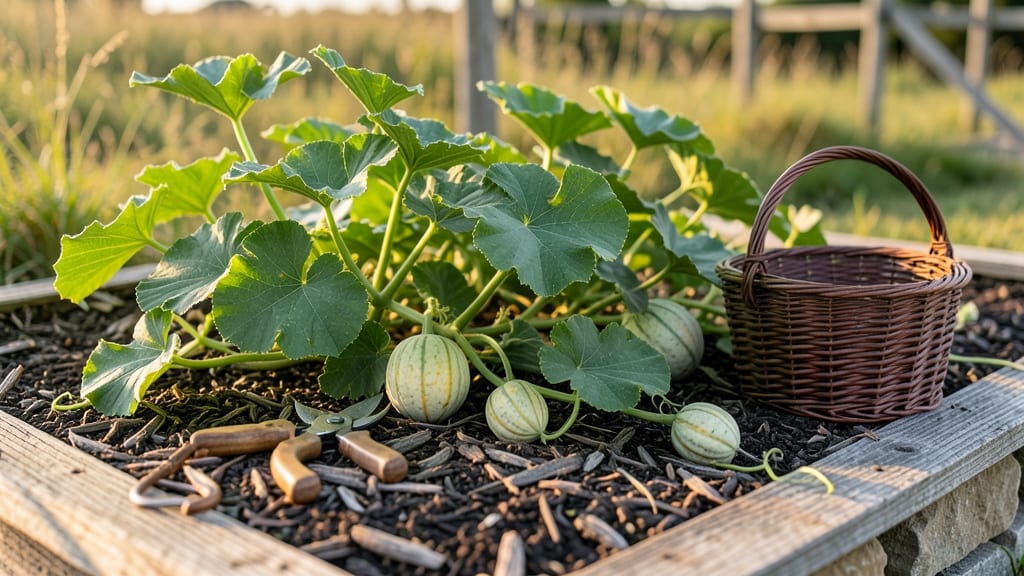
Timing your Sugar Kiss melon season correctly is the secret to those melt-in-your-mouth, honey-sweet fruits 🍈—and missing the window can leave you with bitter vines instead.
Picture this: you’ve waited all spring, the soil is finally warm, and you’re ready to plant. But if you’re in Zone 6 or colder, a late frost could wipe out your seedlings before they even sprout.
Or if you’re in the South, planting too early means your melons bolt in the heat before ripening. The right timing makes all the difference.
This guide breaks down the best planting windows by zone, how to stretch your growing season in hot or cold climates, and the telltale signs your Sugar Kiss melons are ready to harvest—so you don’t end up with a garden full of half-baked fruit.
Whether you’re a first-time grower or a seasoned gardener, these tips will help you maximize your yield and enjoy melons so sweet they taste like summer in a bite.
Best planting times for Sugar Kiss melons by USDA hardiness zones
Getting your Sugar Kiss melons planted at the perfect time ensures those honey-sweet fruits you crave. Since these melons thrive in warm weather and hate frost, your USDA zone dictates everything from planting dates to harvest windows.
Miss the window, and you risk bitter, underdeveloped fruit—or worse, a frozen plant before it even flowers.
I’ve grown Sugar Kiss melons in Zones 6-9, and the difference between a 75-day harvest of perfect melons versus a 50-day struggle with half-ripe fruit comes down to timing. Let’s break it down by zone so you can plan your spring planting with confidence.
| USDA Zone |
Last Frost Date |
Optimal Planting Window |
Soil Temp Requirement |
Heat Tolerance Threshold |
Harvest Window |
| 3-4 |
Mid-May |
Late May - Early June (use row covers) |
70°F+ |
Up to 90°F (needs shade in peak heat) |
Late August - Early September |
| 5 |
Early May |
Early May - Mid-May |
65°F+ |
Up to 95°F (water deeply) |
Mid-August - Late September |
| 6-7 |
Mid-April |
April 15 - May 10 |
68°F+ |
Up to 100°F (mulch heavily) |
July - Mid-September |
| 8-9 |
Mid-March |
March 15 - April 15 |
60°F+ |
Up to 105°F (shade cloth 30%) |
June - August |
| 10-11 |
None (year-round) |
February - March (spring crop) OR September (fall crop) |
55°F+ |
Up to 110°F (drip irrigation) |
May - June (spring) OR November (fall) |
How to extend Sugar Kiss melon season in cold or hot climates
Growing Sugar Kiss melons in extreme climates can feel like a gamble, but with the right strategies, you can extend your harvest window and protect your plants during critical growth phases.
Whether you're battling late spring frosts in Zone 3-5 or intense summer heat in Zone 9-11, these techniques will help your melons thrive when conditions turn challenging.
Cold climates pose the biggest threat during early planting and fruit development, while hot climates can cause heat stress and poor pollination. The key is to create a microclimate that mimics ideal growing conditions—60-85°F—while protecting delicate flowering vines and developing fruit.
Let's dive into the best methods for your specific zone.
🌱 Cold Climate Strategies (Zones 3-5)
- Use floating row covers to shield seedlings from light frosts (down to 28°F) and extend early season growth.
- Install cold frames or low tunnels to raise soil temps by 10-15°F and protect flowering vines during critical pollination (days 45-60).
- Plant near south-facing walls or black plastic mulch to absorb heat and create a warmer microclimate for young plants.
- Start seeds 4-6 weeks indoors (under grow lights) and transplant after last frost date to jumpstart growth.
☀️ Hot Climate Strategies (Zones 9-11)
- Deploy shade cloth (30-50%) during peak afternoon sun (12 PM–4 PM) to prevent heat stress and maintain 75-85°F soil temps.
- Water deeply twice daily (early morning + late afternoon) to cool roots and prevent blossom drop from heat shock.
- Use drip irrigation with mulch rings to retain moisture and reduce evaporative stress on developing fruit.
- Plant in partial shade (e.g., under dappled tree canopies) or use vertical trellises to elevate vines away from hot soil.
For Zone 3-5 gardeners, focus on season extension tools like hoop houses or cloches to create a protected growing environment. I’ve had success using removable fabric covers during morning frosts—just remember to remove them by 10 AM to prevent overheating.
In my Zone 4 garden, this method added 3-4 extra weeks of growing time.
In hotter zones (9-11), timing is everything. Plant early spring (February–March) or late summer (August–September) to avoid the hottest months. I once grew Sugar Kiss melons in Zone 10 by planting in September—the cooler fall temps produced sweeter fruit with fewer pests.
Pair this with reflective mulch to bounce back sunlight and reduce soil heat.
No matter your climate, monitor soil moisture and adjust care based on weekly weather forecasts. A soil thermometer is your best friend—Sugar Kiss melons thrive when soil temps stay between 70-80°F.
With these strategies, you can extend your harvest by 4-6 weeks and enjoy honey-sweet melons well beyond the typical season.
★★★★★4.5(2 reviews)