
Container Gardens
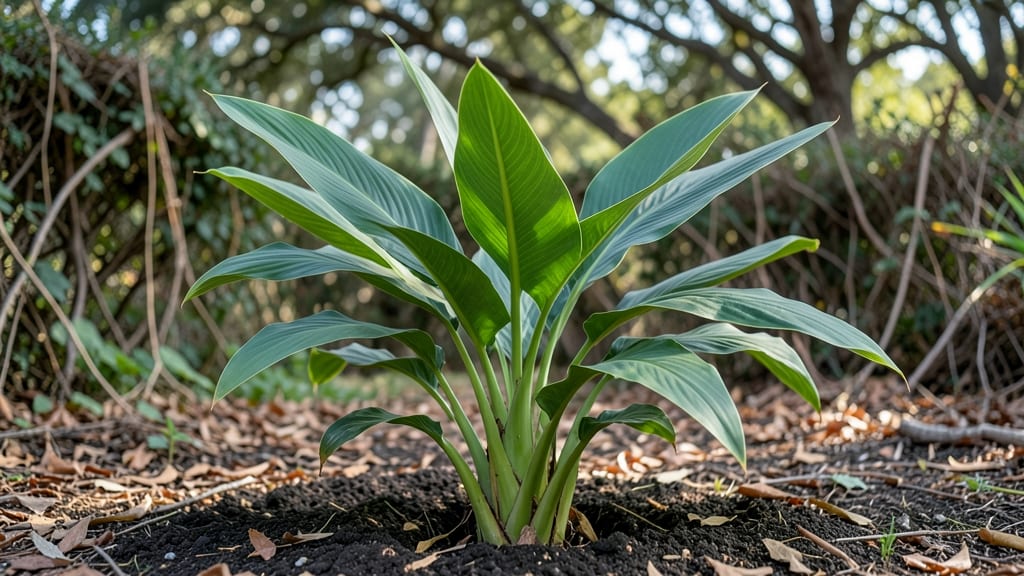
Turmeric growing zones are USDA Zones 7 through 11, where warm climates above 70°F and well-draining, slightly acidic soil create ideal conditions. Microclimates like containers or greenhouses can help growers in cooler regions successfully cultivate this tropical plant.
Turmeric's tropical roots mean it can't tolerate cold snaps or frost—even a light freeze will kill the plant. 🌱 The 70°F minimum temperature threshold isn't just about survival; it's also critical for developing those vibrant rhizomes we use for cooking.
In cooler zones, gardeners often turn to containers with heat mats or move plants indoors during winter months to maintain consistent warmth.
What's interesting is how humidity plays a role too. Turmeric thrives in 60-80% humidity, which is why greenhouse setups work so well—they trap moisture while protecting plants from temperature swings. I've seen growers in Zone 6 successfully cultivate turmeric by combining containers with automatic misting systems during dry spells.
💡 In This Article
- USDA Zones for Turmeric: Ideal Temperature and Climate Factors
- Microclimate Solutions for Growing Turmeric in Cooler Regions
USDA zones for turmeric: ideal temperature and climate factors
Turmeric's tropical origins explain why it demands USDA Zones 7-11—these zones provide the consistent warmth it needs to thrive. The plant's rhizomes (the edible root) begin to develop properly only when daytime temperatures stay above 75°F and nighttime temperatures don't dip below 60°F.
Below 50°F, the plant's growth slows dramatically, and any exposure to 32°F or frost will kill it instantly, causing the rhizomes to rot or become unusable. 🌡️
The science behind this sensitivity lies in turmeric's C4 photosynthetic pathway, which is highly efficient in hot climates but becomes stressed when temperatures drop.
This metabolic process requires optimal warmth to function properly, which is why you'll see turmeric plants in tropical regions growing year-round while those in cooler zones need special care. Even in Zone 7, gardeners often face challenges during late fall when temperatures begin to fluctuate.
Humidity is another critical factor—turmeric prefers 60-80% relative humidity, which helps prevent the rhizomes from drying out or developing cracks. In arid climates within Zones 7-11, growers often use mulch or drip irrigation to maintain moisture levels.
The plant's large, broad leaves also play a role in transpiration, releasing water vapor that helps regulate the microclimate around the rhizomes. This natural process explains why turmeric thrives in dense plantings where the foliage creates a protective canopy.
Seasonal adjustments are key for maximizing rhizome development. In optimal zones, turmeric should be planted when daytime temperatures are consistently above 70°F, typically in late spring. The plant takes about 9-10 months to mature, meaning it needs to be harvested before the first frost.
In Zone 11, where temperatures rarely drop below 60°F, turmeric can be grown year-round with minimal seasonal adjustments, while Zone 7 gardeners must plan carefully to harvest before fall temperatures decline.
What most people don't realize is how soil temperature affects rhizome quality. The ideal soil temperature for turmeric growth is between 75-85°F—cooler soil slows root development, while soil above 90°F can cause the rhizomes to become fibrous and less flavorful.
This is why black plastic mulch or heat-absorbing materials are often used in cooler zones to maintain optimal soil temperatures during the growing season. 🌱
For those in marginal zones (like Zone 6), understanding these temperature thresholds helps explain why turmeric struggles—it's not just about the air temperature but the cumulative heat the plant receives.
The USDA zone system accounts for average minimum temperatures, but turmeric's needs go beyond this, requiring consistent warmth throughout the growing season to produce high-quality rhizomes.