
Planting
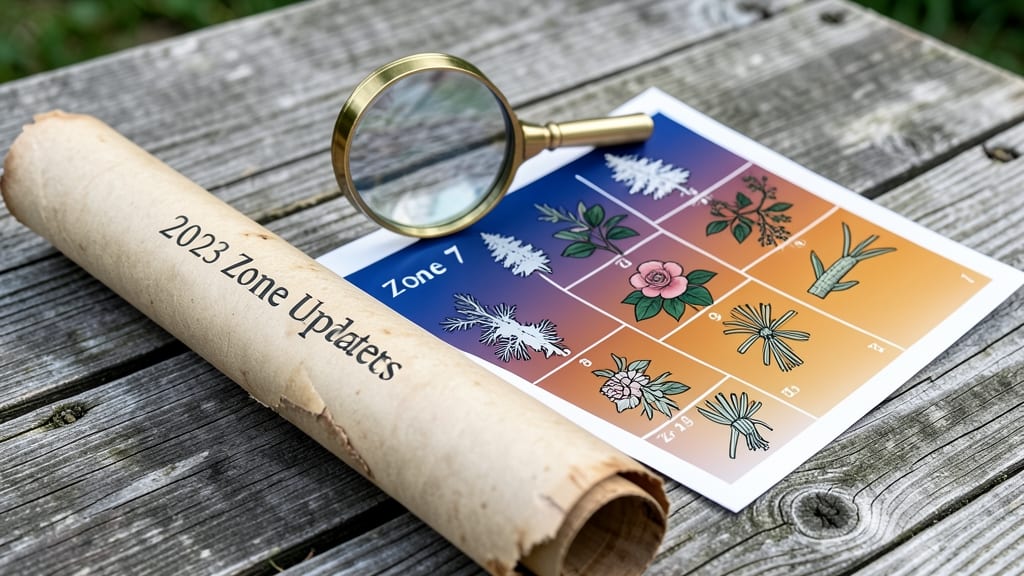
The 2023 USDA Plant Hardiness Zone Map marks the first major update since 2012, incorporating 30 years of climate data to reflect how warming temperatures have expanded growing seasons. 🌱 This means gardeners in Zone 5 might now find themselves in Zone 4b, while some Southern regions have shifted into higher zones.
The changes are particularly noticeable in the Northeast and Midwest, where winter temperatures have risen by 2-3°F over the past decade.
For gardeners, these shifts translate to opportunities for new crops and adjustments to traditional planting schedules. Many perennial plants may now survive winters that were once too harsh, while tropical varieties could become viable in areas that previously required greenhouses.
The key is checking your updated zone—tools like the USDA's interactive map make this easy—and then evaluating which plants will thrive in your newly expanded growing conditions.
💡 In This Article
- Why the USDA Hardiness Zones Are Shifting Now
- How to Adjust Your Garden for New USDA Zones
Why the USDA hardiness zones are shifting now
The 2023 USDA Plant Hardiness Zone Map reflects a 30-year climate analysis that reveals how global warming has fundamentally altered winter temperatures across the U.S. Unlike previous updates, this revision incorporates satellite data, ground-based weather stations, and long-term temperature trends, showing that many regions have warmed by 2-5°F since 2012.
The zones now account for minimum average annual temperatures, which are rising faster than previously predicted—some areas have seen shifts equivalent to moving half a zone higher in just a decade.
This shift isn’t uniform. The Northeast and Midwest have experienced the most dramatic changes, with Zone 5 areas now often resembling Zone 4b or warmer. Meanwhile, the Southeast and Southwest have seen some zones creep northward by up to a full zone in certain pockets.
The USDA uses 10-year intervals for updates because it takes that long to gather statistically significant climate data, but the 2023 revision came early due to accelerating temperature changes. 🌡️ What’s striking is how these shifts align with NOAA’s climate reports, which show that the last decade was the warmest on record for the U.S.
Behind the scenes, the USDA’s process involves analyzing thousands of weather stations to calculate 30-year averages of coldest winter temperatures. These averages determine where plants can survive outdoors year-round.
For example, a Zone 6 plant can typically endure down to -10°F, while a Zone 7 plant might handle -5°F.
With zones shifting northward, gardeners in Zone 6 might now find themselves in Zone 5b, allowing them to grow plants that previously required greenhouse protection or were limited to shorter seasons.
The science here is clear: warmer winters mean fewer frost days, which extends growing seasons and opens doors to new plant varieties. However, it’s not just about higher temperatures—precipitation patterns and humidity also play a role in plant hardiness.
Some regions may see more extreme weather events, like sudden cold snaps, which could still pose risks to tender plants. The USDA’s updated zones help gardeners anticipate these changes and make informed decisions about what to plant.
One surprising detail is how urban heat islands affect local microclimates. Cities like Chicago, Boston, and Phoenix can experience temperatures 5-10°F warmer than surrounding rural areas, creating pockets where zones might differ by half a zone or more.
This means a backyard in downtown Zone 6a could actually behave more like Zone 6b, while a nearby suburb might still be Zone 5b. Understanding these nuances is key to tailoring your garden to your specific location.
For gardeners, the takeaway is that climate change isn’t just a future concern—it’s already reshaping gardening today. The USDA’s updates provide a data-driven roadmap for adapting, whether you’re expanding your perennial borders, experimenting with new crops, or simply adjusting your planting timeline.
The next step? Check your updated zone and start planning for the plants that will thrive in your newly warmer climate. 🌿