
Advice
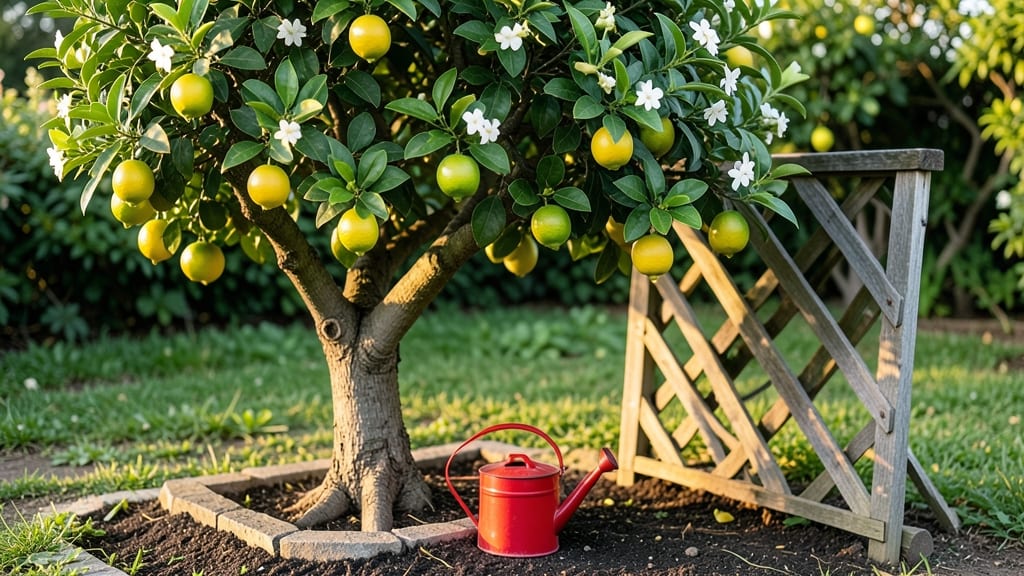
USDA Zones 7 to 10 include regions with mild winters and extended growing seasons, where minimum temperatures range from 10°F to 30°F. Zone 7 sees occasional frost, while Zones 8–10 remain frost-free, perfect for growing citrus, bougainvillea, and other subtropical plants. Local conditions can shift plant hardiness by 1–3 zones, so adapting to your specific microclimate is essential for success.
Understanding these zones helps gardeners choose the right plants for their area.
For example, Zone 7 can handle occasional 10°F dips, while Zone 10 rarely drops below 30°F, allowing year-round growth of tropical favorites. 🌿 The key is knowing your exact zone—many gardeners find their yard falls into a half-zone (like 7b or 8a) due to elevation or urban heat.
I always check the USDA interactive map and compare it with local weather records to fine-tune my planting schedule.
Microclimates play a huge role in these zones. A south-facing wall can create a Zone 9 microclimate even in Zone 7, while shaded spots might behave more like Zone 6.
This is why I recommend testing soil temperatures and observing how plants perform in different spots before committing to large plantings. Container gardening also gives flexibility—you can move tender plants indoors during cold snaps in Zone 7.
💡 In This Article
- How USDA Zones 7 to 10 Define Plant Hardiness
- Microclimate Adjustments for Thriving Gardens in Zones 7–10
How USDA zones 7 to 10 define plant hardiness
The USDA Plant Hardiness Zone Map divides North America into 13 zones based on the average annual minimum winter temperature.
Zones 7 through 10 represent a gradient of warmth, where Zone 7's 10°F to 5°F minimums mark the northern boundary of frost-sensitive crops, while Zone 10's 30°F to 25°F minimums allow year-round growth of tropical plants.
Here's how the temperatures break down: Zone 7a (10°F to 15°F) sees light frost, while Zone 7b (5°F to 10°F) offers slightly more protection. This 5°F difference can mean the difference between success and failure for plants like figs or olives.
The frost-free period expands dramatically across these zones. Zone 7 typically enjoys 180-240 frost-free days, while Zone 10 can have 300+ days without frost.
This extended growing season is why Zone 10 can support year-round citrus production, while Zone 7 gardeners must use frost cloths or grow citrus in containers that can be moved indoors during winter.
The heat tolerance also varies—Zone 10's high summer temperatures (90°F+ for months) demand shade-loving plants like hibiscus, while Zone 7's cooler summers (80°F average) suit Mediterranean varieties that appreciate some afternoon shade.
What most gardeners don't realize is how elevation affects these zones. A backyard at 2,000 feet might behave like Zone 6 even in official Zone 7 territory, while a valley below sea level could feel like Zone 8.
This is why I always check both the USDA map and my local cooperative extension service's microclimate data. For example, in my Zone 7 garden, the south-facing slope gets 5°F warmer than the north-facing side, allowing me to plant zone-appropriate peaches that wouldn't survive elsewhere in my yard. 🌡️
The zone classification also accounts for heat waves. Zone 10's ability to handle 100°F+ temperatures for weeks makes it suitable for banana trees and mangoes, while Zone 7's occasional heat spikes (95°F) require afternoon shade for tender plants.
This is why Zone 7 gardeners often use shade cloth (30-50% coverage) during summer to protect tropical plants from heat stress. The key is matching your plants' heat tolerance to your zone's summer extremes—just as important as winter hardiness.
Here's a practical example: In Zone 7, you can grow Meyer lemons in containers and bring them indoors when temperatures drop below 28°F, while in Zone 10, they thrive planted in the ground year-round. The same plant responds differently based on zone and microclimate.
This is why I always check a plant's hardiness range (like "Zones 8-11") before purchasing—it gives you the flexibility to adapt to your specific conditions. 🌱
Zone 7's occasional frost events (typically 1-5 nights per year below freezing) require strategic planning. I've learned to plant frost-sensitive crops like tomatoes and peppers after the last average frost date, which in my Zone 7b area is around April 15th.
In contrast, Zone 10 gardeners can plant warm-season crops any time, with harvests extending into December. This seasonal flexibility is one of the biggest advantages of gardening in these warmer zones.
Understanding these temperature ranges helps explain why some plants thrive in one zone but struggle in another. For instance, bougainvillea (Zones 9-11) will survive Zone 7 winters only if protected, while rosemary (Zones 7-10) handles Zone 7's winters with ease.
The zone classification gives you a starting point, but your local conditions will always dictate the final outcome. That's why I recommend keeping a garden journal to track what actually thrives in your specific microclimate year after year. ✨