
Vegetables
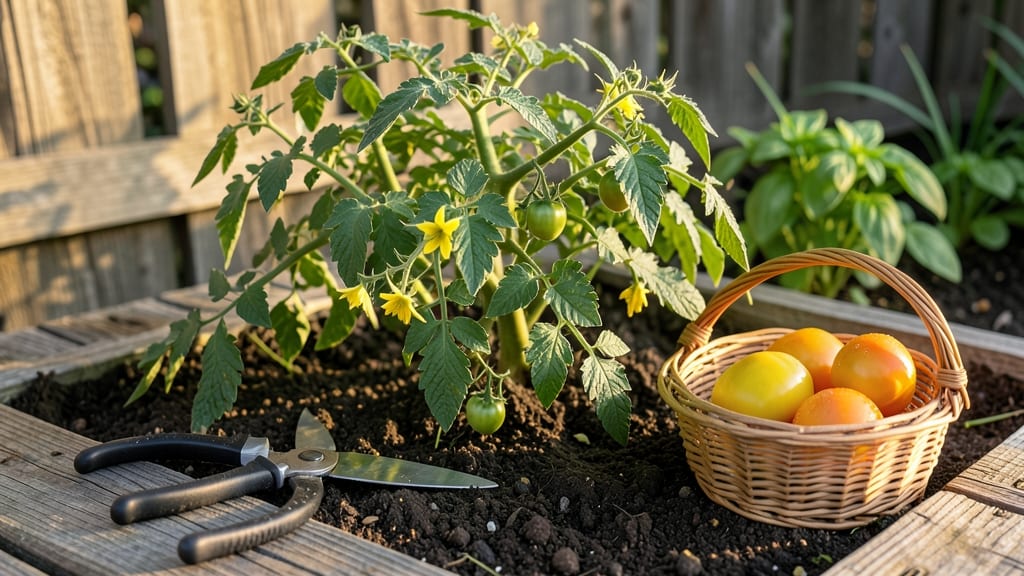
July is when the garden truly delivers—vegetables in season burst with flavor when you know what to plant, harvest, and protect. 🌿 I remember the first time I tasted a homegrown tomato straight off the vine in mid-July, still warm from the sun—it changed how I garden forever.
This is the month where your summer crops reward your efforts with juicy peppers, crisp cucumbers, and sweet corn, while early-season greens still thrive with the right care.
The key is balancing what’s already growing with what you can still plant. In most zones, tomatoes, peppers, and beans are thriving if you started them early, while cucumbers and zucchini need consistent water to keep producing.
Don’t overlook succession planting—sow bush beans, carrots, or radishes every 2 weeks for a steady harvest. And if your lettuce is bolting, it’s time to replace it with shade-tolerant greens like Swiss chard or kale.
What you’ll end up with is a garden that’s bursting with summer flavor—think sun-ripened tomatoes, crisp cucumbers, and peppers so sweet they’re almost candy. The secret is keeping soil moist (but not soggy), mulching to retain moisture, and watching for pests like squash bugs or aphids.
A quick spray of neem oil or introducing ladybugs can save your crops before they become a problem.
Works for any garden size, from raised beds to balcony containers, and adapts to different climates—just adjust planting times by a week or two for cooler zones. July is all about harvesting, tasting, and enjoying the fruits of your labor before fall rolls around. Let’s make the most of it!
📚 In This Guide
- What you need
- Instructions
- Tips and common mistakes
- Wrapping up and next steps
What you need
- ● Fresh July veggies (prioritize local!): Zucchini (2–3 medium per person)
- ● Corn (4–6 ears, or 2 cups frozen)
- ● Tomatoes (6–8 vine-ripened, mixed colors)
- ● Cucumbers (2–3, preferably seedless)
- ● Bell peppers (3–4, any color)
- ● Green beans (1 lb fresh or frozen)
- ● Eggplant (1 medium)
- ● Okra (1 lb, if you’re feeling adventurous!)
- ● Fresh herbs: Basil, cilantro, or dill (small bunches)
- ● Storage supplies: Mesh produce bags (for herbs)
- ● Paper towels (to absorb moisture)
- ○ Optional: Vacuum-sealed bags (for long-term storage)
- ● Basic kitchen tools: Chef’s knife + paring knife
- ● Cutting board (preferably wooden or plastic)
- ● Mixing bowls (2–3 sizes)
- ● Colander (for washing greens)
- ● Measuring cups/spoons (if recipes require precision)
- ● Cooking-specific: Large skillet or sauté pan (for stir-fries)
- ● Baking sheet (for roasting veggies)
- ● Grill or grill pan (for charred flavors!)
- ○ Food processor (optional, for pesto or hummus)
- ● Gardening: Seedlings or starter plants (zucchini, tomatoes, peppers)
- ● Potting soil + compost
- ● Garden gloves + watering can
- ● Preservation: Canning jars (for pickling or sauces)
- ● Freezer bags (for blanching green beans)
- ○ Dehydrator (optional, for homemade veggie chips)
How to identify and grow peak summer vegetables in July
July’s harvest is the most rewarding—here’s how to spot, grow, and enjoy the season’s best produce.
🌱 Step 1: Recognize July’s Signature Vegetables by Sight and Touch
July’s garden bursts with bright green, glossy leaves (like zucchini and cucumbers) and deep purple or red stems (think eggplant and heirloom tomatoes). Run your fingers over the skin—smooth, firm textures signal peak ripeness, while soft spots mean it’s past its prime. Look for heavy fruits that feel weighty for their size; this indicates juicy, flavorful produce.
Tomatoes should have rich red, yellow, or purple hues and a slight give when gently squeezed. Peppers turn deep green to red and develop a waxy sheen. Herbs like basil and cilantro grow fast and bushy, with leaves that smell intensely aromatic when crushed. If you’re unsure, check the flower end—new blooms mean the plant is still producing.
☀️ Step 2: Optimize Growing Conditions for July’s Heat-Loving Crops
July’s long daylight hours and high temperatures (ideally 75-85°F) push vegetables to grow rapidly, but they need consistent moisture to avoid bolting or bitter flavors. Water deeply once or twice a week, aiming for 1-1.5 inches of water per week, and focus on the base of plants to keep leaves dry and prevent fungal diseases like powdery mildew.
Mulch with 2-3 inches of straw or shredded leaves to retain soil moisture and keep roots cool. If your area hits 90°F+, provide afternoon shade for heat-sensitive crops like lettuce or spinach by using shade cloth or a temporary row cover. You’ll know you’re doing it right when plants continue flowering and fruiting without wilting.
💧 Step 3: Harvest at Peak Ripeness for Maximum Flavor
July’s vegetables reach their best flavor when harvested at the right stage. Zucchini and cucumbers should be 6-8 inches long with smooth, firm skin—harvest them young to avoid seedy, tough textures. Tomatoes pick best when they easily detach from the vine and have deep, vibrant color. Peppers are ripe when they turn their mature hue (red, yellow, or orange) and feel slightly soft to the touch.
Leafy greens like Swiss chard or kale can be harvested outer leaves first, leaving the center to keep growing. Herbs like basil and cilantro thrive when pinched back regularly—this encourages bushier growth and prevents them from flowering too quickly. Use clean, sharp scissors to avoid damaging plants, and harvest in the morning when flavors are most concentrated.
✂️ Step 4: Extend the Season with Smart Maintenance
To keep July’s harvest going strong, prune dead or yellowing leaves to redirect energy to producing fruit. For tomatoes, remove suckers (the small shoots in the leaf axils) to focus the plant’s energy on the main stem and fruit. If your garden starts slowing down by late July, plant fast-growing fall crops like radishes or spinach in shaded areas to take advantage of cooler temperatures.
Fertilize lightly with a balanced organic fertilizer (like 10-10-10) every 3-4 weeks to replenish nutrients lost from heavy harvesting. Watch for pests like squash bugs or tomato hornworms—handpick them early in the morning when they’re sluggish. A neem oil spray applied in the evening can also help deter pests without harming pollinators.
Tips & tricks for perfect summer vegetable harvesting
Here’s what nobody tells you about making the most of July’s garden bounty.
Visual Cues Over Rules: Instead of guessing ripeness, trust your senses. For tomatoes, gently squeeze—ripe ones yield slightly like a ripe avocado. For peppers, check the stem end: new blooms mean more fruit is coming. Herbs like basil should smell like pure perfume when crushed; if they smell weak, it’s time to harvest. This sensory check beats relying on calendar dates every time.
Heat Management: When temperatures hit 90°F+, protect heat-sensitive greens like lettuce with afternoon shade. Use lightweight shade cloth or even a simple white sheet draped over a hoop. The goal is to keep leaves cool enough to prevent bolting (when plants flower prematurely) while still allowing sunlight for photosynthesis. Monitor plants daily—they’ll tell you when they’re stressed by wilting or yellowing.
Pruning Strategy: Don’t just cut—prune with purpose. For tomatoes, remove those little "suckers" (the shoots in the leaf axils) to direct energy to fruit production. For leafy greens, harvest outer leaves first, leaving the center to regrow. This "cut-and-come-again" method keeps plants productive for weeks. And always use clean, sharp scissors to avoid tearing plant tissue, which invites disease.
Watering Wisdom: Deep watering once or twice a week is better than daily light sprinkles. Aim for 1-1.5 inches of water per week, delivered at the base of plants to keep leaves dry and prevent fungal diseases. Early morning is the best time to water—it gives plants time to dry before evening humidity sets in. A simple rain gauge or even a tuna can buried in the soil helps track moisture levels accurately.
Pro Tips for Vegetables In Season In July
- Here’s what nobody tells you about making the most of July’s garden bounty.
- Visual Cues Over Rules: Instead of guessing ripeness, trust your senses.
- Heat Management: When temperatures hit 90°F+, protect heat-sensitive greens like lettuce with afternoon shade.
Frequently asked questions
Got questions about July’s freshest veggies? You’re in the right place! Here are answers to the most common queries about peak summer produce—from timing to swaps and everything in between.
What are the most flavorful vegetables to grow or buy in July?
July is all about peak summer flavors! Prioritize zucchini, tomatoes (especially heirloom varieties), cucumbers, bell peppers, corn, and green beans. For leafy greens, opt for heat-tolerant options like Swiss chard or malabar spinach. If you’re foraging, keep an eye on wild berries and edible flowers like nasturtiums!
Why do some vegetables taste better in July than other months?
Vegetables taste sweeter and more vibrant in July because they’re naturally in season—meaning they’ve grown in ideal summer conditions (sun, warmth, and rain). Off-season produce is often picked early, shipped long distances, or stored for weeks, which dulls flavor and texture. July’s veggies are freshest because they’re harvested at their ripest!
Where’s the best place to buy July vegetables for the freshest pick?
For the freshest haul, hit up local farmers' markets (peak season!) or a farmers' market-style grocery section in stores. Look for vendors who sell produce the same day it’s harvested—ask when it was picked! Community-supported agriculture (CSA) programs are another great option, delivering a weekly box of seasonal goodies straight to your door.
What can I substitute if a July vegetable isn’t available?
No zucchini? Try yellow squash or eggplant in stir-fries or grilled dishes. Swap out corn for peppers or green beans in salads or salsas. For tomatoes, cherry tomatoes or vine-ripened heirlooms (even in late July) beat store-bought any day. Pro tip: Frozen or canned versions of July veggies (like corn or green beans) are also great backups!
How can I tell if July vegetables are ripe and ready to eat?
Use these quick checks:
- Tomatoes: Should smell sweet near the stem and yield slightly to gentle pressure.
- Corn: Husks should pull back easily, and kernels should pop when pierced with a fingernail.
- Peppers: Bright color (red, yellow, or green) and firm skin mean they’re ripe.
- Zucchini/Cucumbers: Smooth skin and a slight weight in your hand = perfect!
When in doubt, taste test one—July’s produce is so flavorful, you’ll know!
Wrapping up and next steps
July is the perfect time to savor the bright flavors and vibrant colors of seasonal vegetables—from crisp cucumbers and juicy tomatoes to sweet corn and earthy zucchini. By focusing on these peak-pick produce, you’re not only treating your taste buds but also supporting sustainability and freshness at their best! 🌱
Ready to elevate your summer meals? Start experimenting in the kitchen today—whether it’s grilling, roasting, or whipping up a fresh salad. Your future self (and your taste buds!) will thank you.