
Vegetables
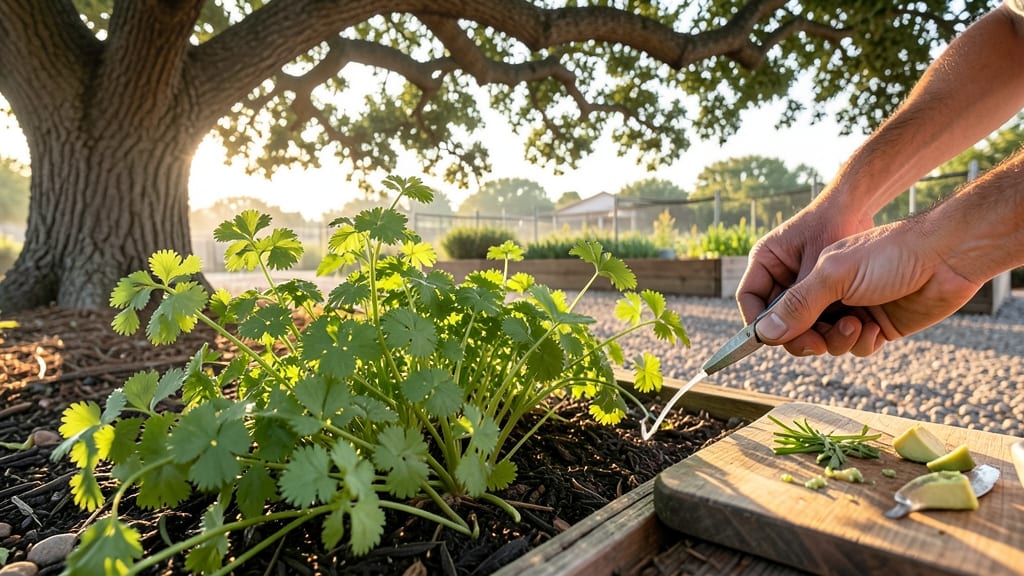
Texas’s diverse climate means fresh, flavorful vegetables grow year-round. This guide breaks down the best seasonal produce by month, helping gardeners and home cooks maximize harvests and minimize grocery bills.
Winter Squash Varieties for Texas Gardens
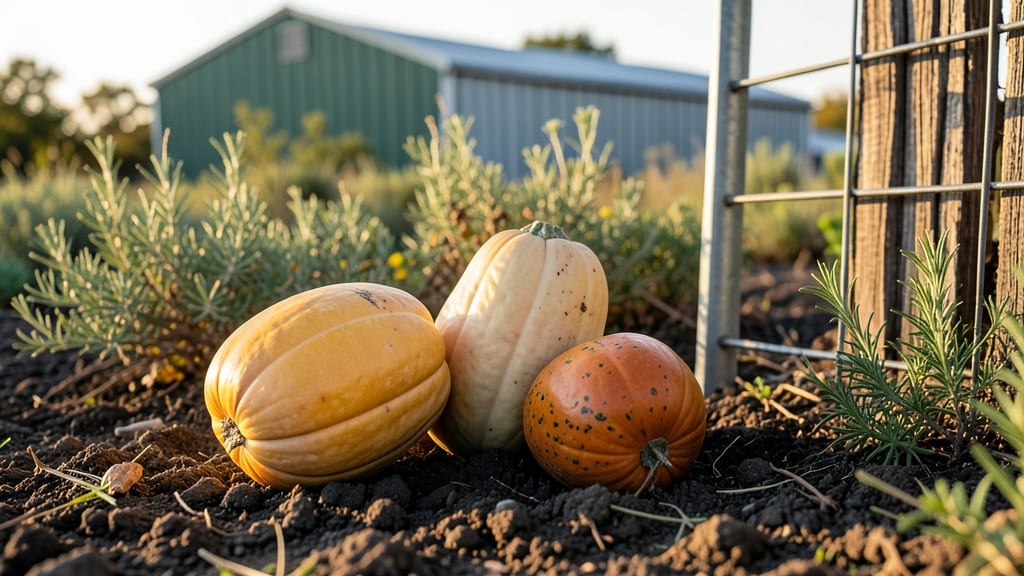
When Texas winters arrive, winter squash like butternut and acorn become your garden’s secret weapon—thriving in 50–60°F soil while most plants nap. These nutrient-dense varieties don’t just survive the chill; they store for months, turning your harvest into a year-round pantry staple.
For Texas gardeners, focus on ‘Waltham Butternut’ (sweet, smooth skin) or ‘Cushaw’ (drought-tolerant with rich flavor). Plant seeds in October for a November–February harvest, spacing vines 3–4 feet apart. Mulch with straw to insulate roots from cold snaps, and let squash cure in a dry, 70°F space for 10 days before storing.
This is the perfect crop for meal preppers and homesteaders—one plant feeds your family for months while freeing up garden space. 🌱
Spring Radishes for Fast Garden Success
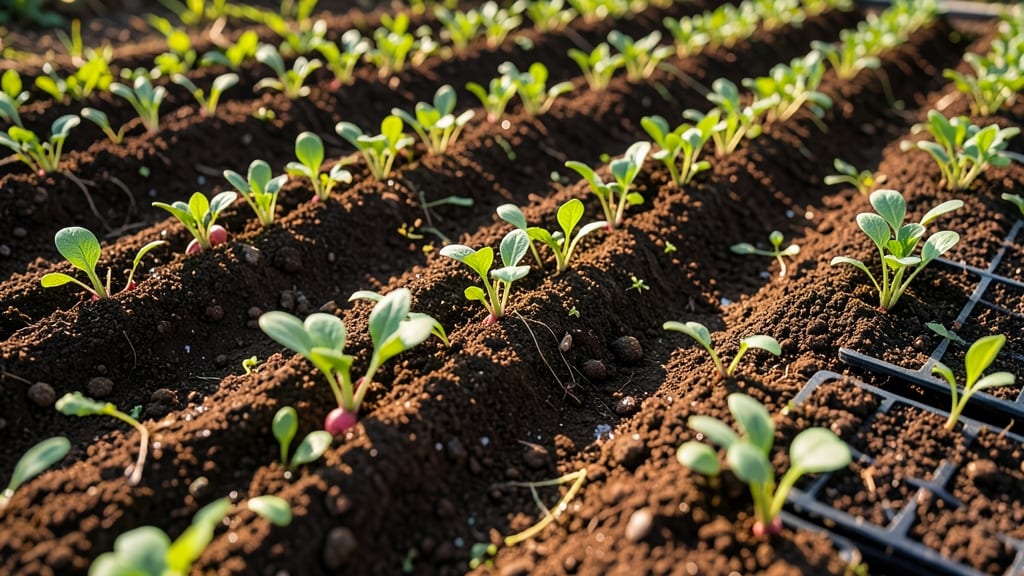
If you’ve ever dreamed of harvesting fresh vegetables in record time, spring radishes are your answer. These peppery powerhouses mature in just 3–4 weeks, making them the ultimate fast-track crop for impatient gardeners or those with limited growing space.
Sow seeds directly in well-drained soil when daytime temperatures hover between 50–75°F, which in Texas typically means February through April. For urban gardeners, radishes thrive in containers as small as 6 inches deep, making them perfect for balconies or patios. Varieties like Cherry Belle (round and sweet) or French Breakfast (long and crisp) are ideal for beginners. Thin seedlings to 1–2 inches apart to prevent overcrowding and ensure bold flavors.
Radishes are also drought-tolerant once established, requiring only 1 inch of water per week—great for Texas’s unpredictable spring rains. Their quick harvest time means you can enjoy fresh, homegrown produce without waiting months. 🌱
Summer Okra for Southern Cooking
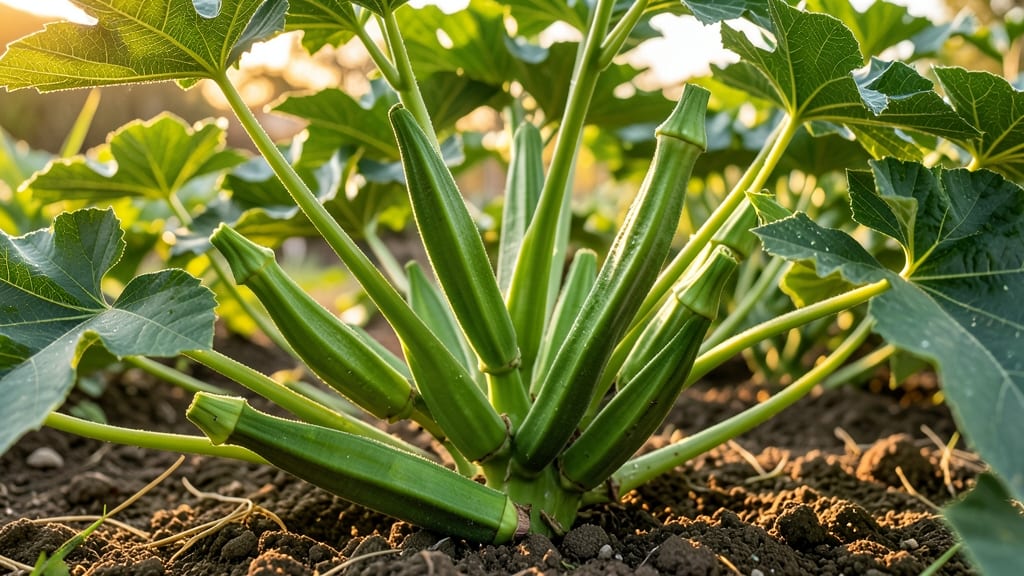
Ready to add that authentic Southern touch to your garden? Okra isn’t just a vegetable—it’s the backbone of Texas summer cooking, thriving from May through September with minimal fuss and maximum flavor.
This heat-loving plant produces tender pods perfect for gumbo, stews, or crispy fried dishes. Plant seeds directly in well-drained soil after the last frost, spacing them 12–18 inches apart for optimal airflow. Okra’s drought tolerance makes it ideal for Texas summers, and it rewards patience with harvests starting just 50–60 days after planting.
Home cooks and gardeners who love self-sufficient growing will appreciate okra’s resilience and versatility—it’s the ultimate summer garden staple for bold flavors. 🌻
Fall Sweet Potatoes for Texas Soil
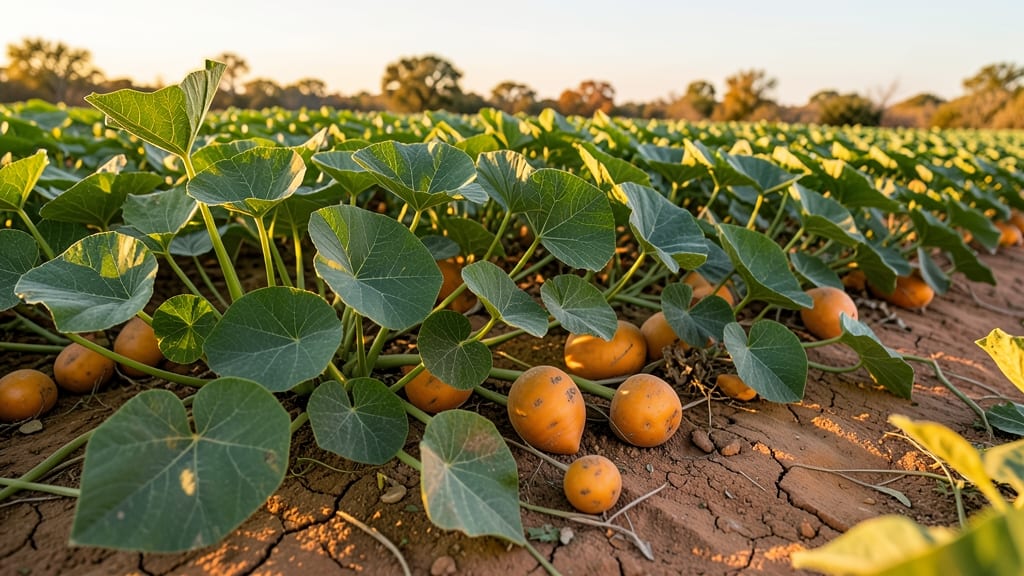
When Texas’s fall temperatures dip into the 70s and 80s, sweet potatoes become a powerhouse crop that thrives with minimal fuss. Unlike their summer-hating cousins, these nutrient-packed tubers love the mild autumn air and even handle brief droughts—making them ideal for Texas gardeners who want low-maintenance, high-reward harvests.
Start slips or seeds in late summer (August) for a fall harvest, spacing them 12–18 inches apart in well-draining soil. They’re drought-tolerant once established, so water deeply only when the top inch of soil feels dry. The key to sweetness? Let the vines die back naturally in October or November—this signals the tubers to sweeten up for harvest. Varieties like Beauregard (red skin, moist flesh) or Jewel (dry, cinnamon-flavored) are top picks for Texas.
Sweet potatoes are a year-round vitamin powerhouse, packed with beta-carotene, fiber, and antioxidants—perfect for roasting, mashing, or even baking into pies. Urban gardeners can grow them in large containers (15+ gallons), while backyard plots yield enough for family-sized harvests. 🌻
Year-Round Green Onions for Quick Harvests
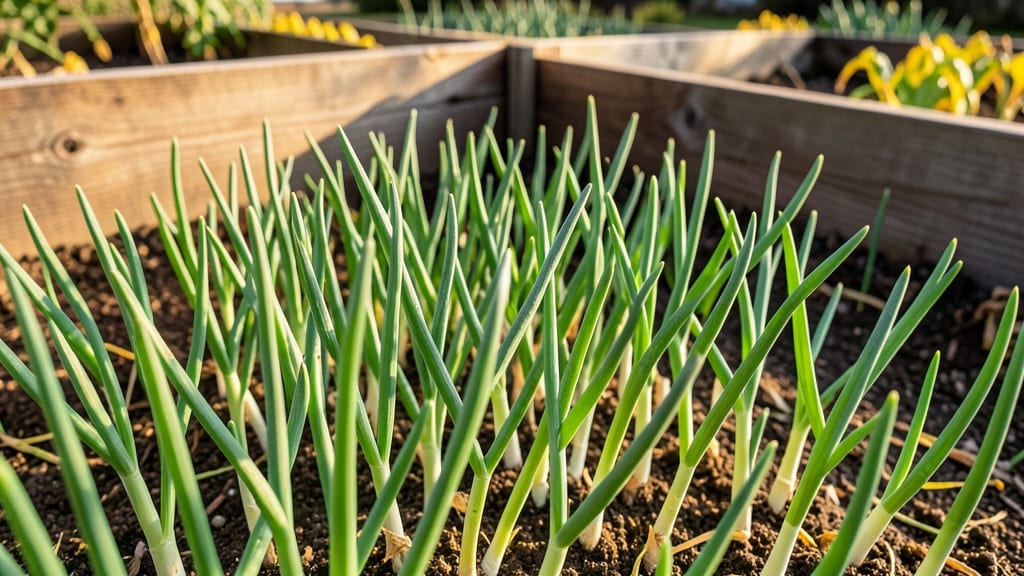
Tired of waiting months for harvests? Green onions are the ultimate Texas gardening hack—plant them once, and you’ll enjoy fresh, crisp greens in just 3-4 weeks, with the ability to harvest repeatedly for months. Their cold tolerance means they’ll keep growing even when other crops slow down in winter.
Sow seeds or sets every 2-3 weeks in well-draining soil with full sun to partial shade, and watch them regrow from the same roots after cutting. They thrive in containers, making them perfect for balconies or patios. Use them in salads, stir-fries, or as garnishes—no need to wait for a full season to enjoy homegrown flavor. 🌱
Spring Peas for Texas Gardeners
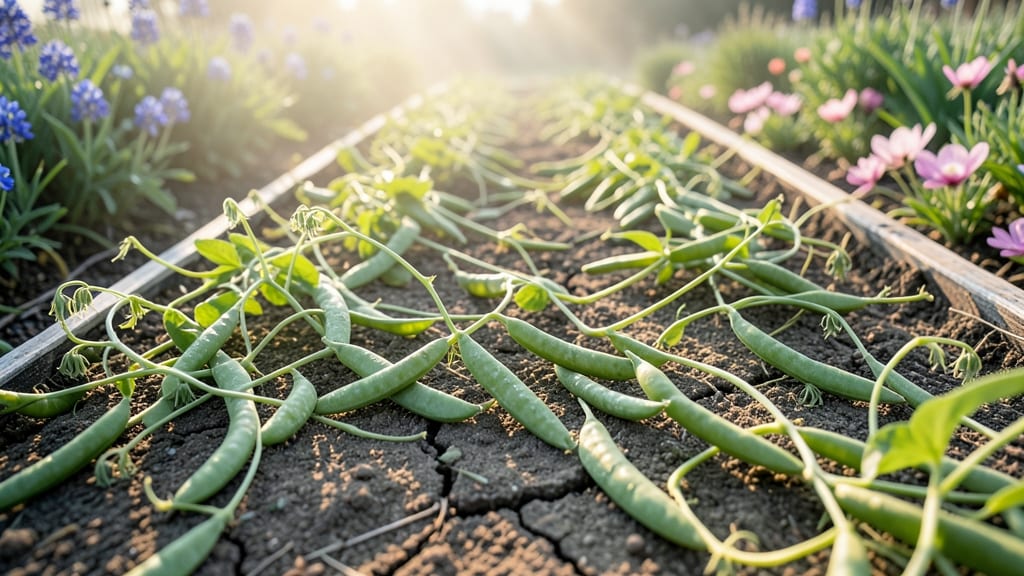
Spring in Texas isn’t just about blooming flowers—it’s the perfect time to grow spring peas, a cool-season crop that thrives from February to April when temperatures stay mild. Unlike many summer vegetables, peas love the cooler weather, making them a refreshing addition to your garden just as the heat begins to build.
What makes peas especially valuable is their ability to fix nitrogen in the soil, which means they improve the health of your garden bed for future crops. Varieties like ‘Sugar Snap’ or ‘Oregon Sugar Pod’ are great choices for Texas gardeners, offering sweet, crisp pods perfect for salads, stir-fries, or even soups. Plant them in well-draining soil with a trellis or stakes to support their vines, and you’ll have a bountiful harvest in about 60-70 days.
These peas are a game-changer for gardeners practicing crop rotation or looking to extend their early-season harvests. Whether you’re a beginner or a seasoned gardener, peas bring both flavor and fertility to your garden. 🌱
Summer Tomatoes for Texas Heat
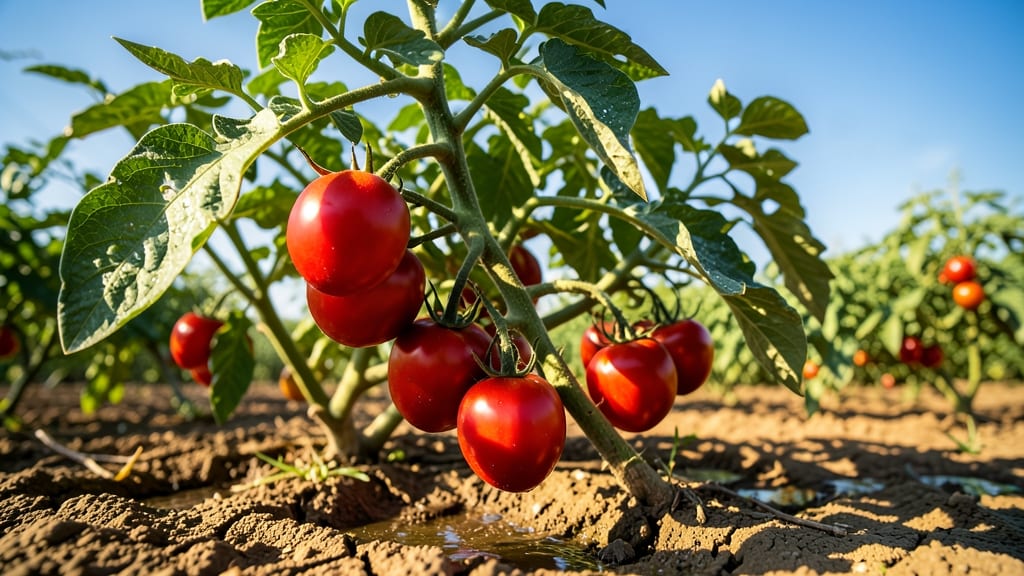
When Texas summers crank up the heat, most gardeners reach for shade—except for tomato lovers. Varieties like ‘Celebrity’ and ‘Solar Fire’ thrive in June–October temperatures, delivering sweet, juicy fruit even when thermometers soar past 90°F.
These heat-tolerant tomatoes need consistent moisture (1–2 inches per week) and afternoon shade during peak heat, but they reward you with bold flavors perfect for sauces, salads, and grilling. Stake or cage plants early to prevent sunscald on ripening fruit, and harvest regularly to encourage more production.
Perfect for home cooks and gardeners who crave fresh tomatoes without summer setbacks, these varieties turn Texas’s long growing season into a harvest goldmine. 🌻
Fall Collard Greens for Southern Comfort
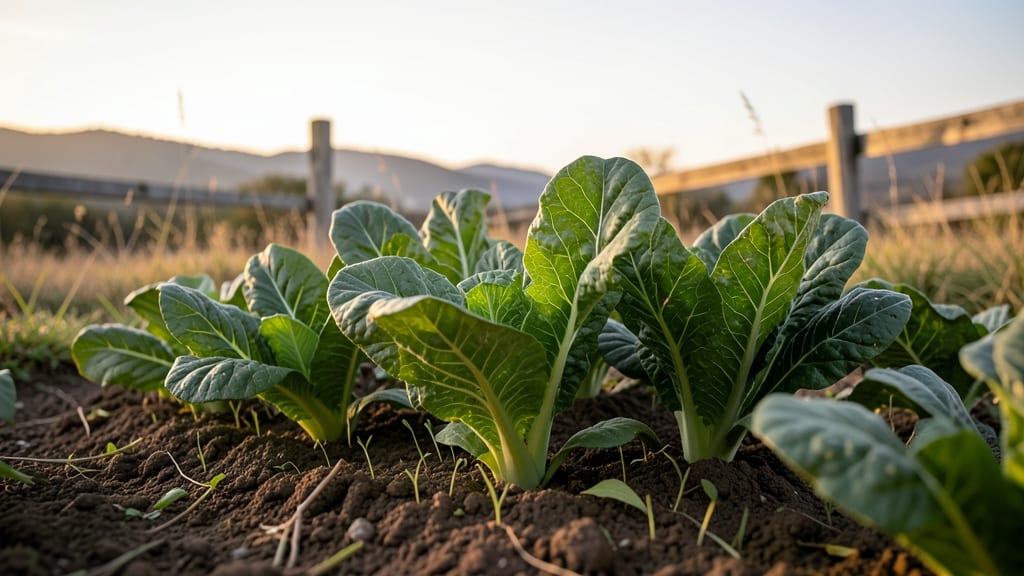
When Texas’s fall air turns crisp, collard greens become a garden hero—packed with nutrients and ready to harvest as temperatures drop. These leafy greens thrive in September through December, offering a hearty crop that’s as versatile as it is resilient.
Plant seeds directly in well-draining soil with full sun to partial shade, spacing them 12–18 inches apart. Collards tolerate light frosts, making them perfect for Texas’s cooler months, and they’re rich in vitamins A, C, and K. For continuous harvests, cut outer leaves as needed—they’ll keep producing all season long.
Urban gardeners and beginners will love how easy collards are to grow, while experienced gardeners appreciate their cold-hardy nature. Add them to your fall garden for a flavorful, nutritious staple that’s as rewarding to grow as it is delicious to eat. 🌿
Winter Lettuce for Texas Salads
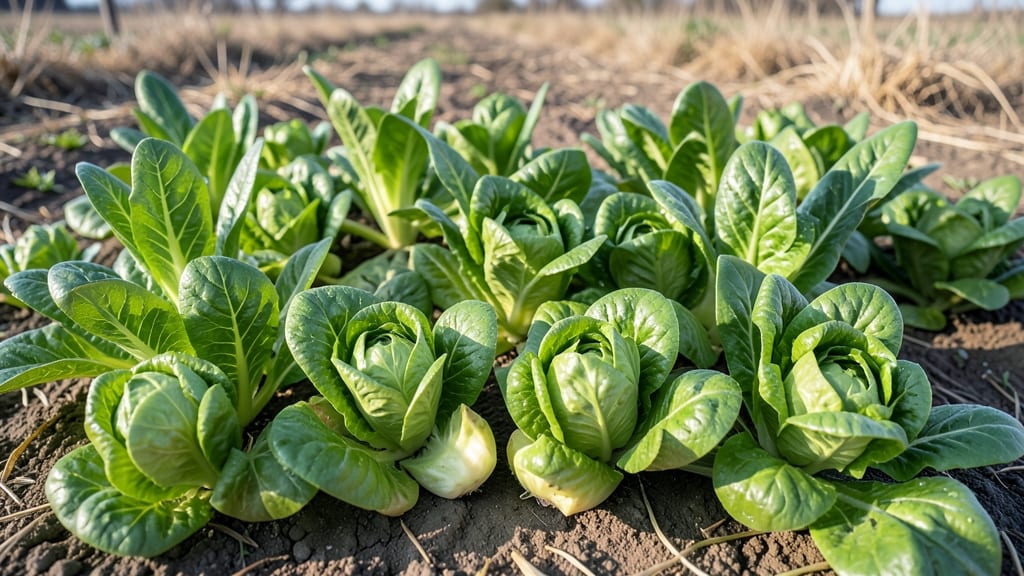
Skip the grocery store’s wilted lettuce—Texas’s cool winter months (November–February) are prime time for growing butterhead and romaine, delivering crisp, sweet greens that outshine summer limpness. These varieties thrive in the state’s mild winters, offering a refreshing harvest without the fuss of heat-sensitive summer crops.
Start seeds indoors 6–8 weeks before your first frost or plant transplants in well-draining soil with partial shade to avoid bolting. Space 12–18 inches apart and keep soil consistently moist but not soggy. Butterhead (like ‘Bibb’) adds tender, buttery leaves, while romaine (like ‘Parris Island’) stands up well for sandwiches. Mulch with straw to protect roots from temperature swings.
This is your chance to enjoy fresh, local greens without the summer struggle—ideal for urban gardeners with containers or backyard plots. 🌿
Year-Round Cilantro for Mexican-Inspired Dishes

Skip the grocery store for fresh cilantro—this fast-growing herb thrives year-round in Texas, even when temperatures soar. Whether you're making salsa, guacamole, or garnishing tacos, having your own supply means bold flavor and zero bolting frustration.
Plant cilantro in partial shade to full sun, keeping soil consistently moist but well-drained. Varieties like Calypso or Santo are bred to handle heat better than traditional types. For continuous harvests, sow seeds every 2-3 weeks—you’ll have fresh leaves in just 30-50 days.
This herb is a game-changer for home cooks who love Mexican-inspired dishes. Urban gardeners and small-space growers will appreciate how well it performs in containers, too. 🌱