
Planting
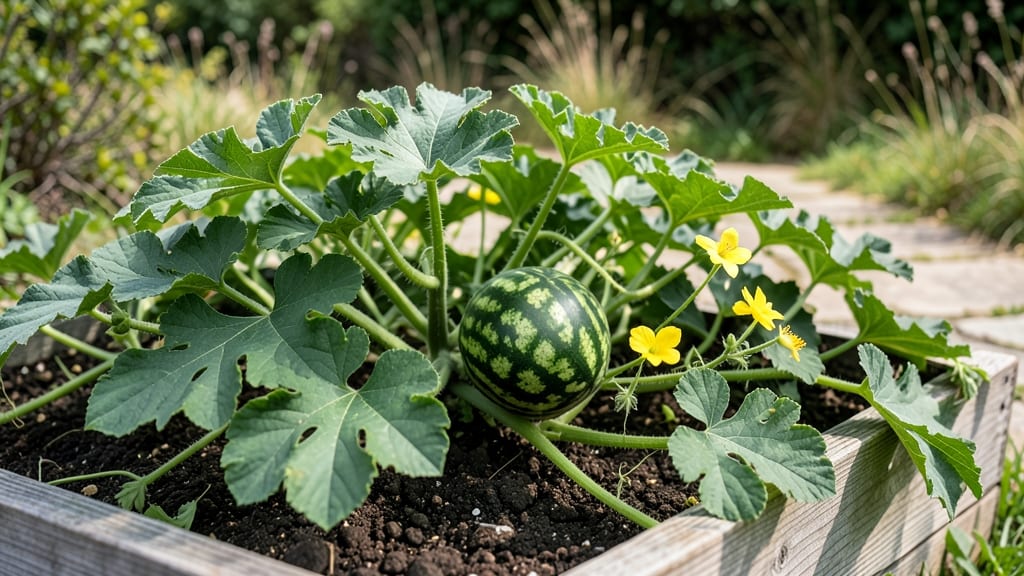
Growing watermelons in your garden depends on timing the watermelon growing season perfectly—or risk ending up with bitter fruit or no harvest at all.
Picture this: you’ve prepped the soil, planted your seeds, and waited 90 days for that first ripe 🍉—only to find the vines collapsing under a surprise frost. Or worse, the melons never set fruit because the heat arrived too late.
I’ve been there, and trust me, the difference between a bumper crop and a total flop often comes down to planting at the right moment.
In this guide, I’ll walk you through the exact planting timeline for your USDA zone, including when to start seeds indoors (if needed), how to time direct sowing for warm soil, and how to stretch the season in cooler climates.
Whether you’re in Zone 6a or a tropical region, you’ll know the precise window to plant for a harvest between July and September.
By the end, you’ll avoid common mistakes like planting too early (frost risk!) or too late (short season), and you’ll discover how to tweak your schedule for earlier harvests or longer growing periods—so you’re not left with empty vines by fall.
Watermelon growing season: USDA Zone planting calendar by month
Watermelons thrive in warm weather and need 120-145 frost-free days to mature. Planting too early in cool soils stunts growth, while waiting too long cuts harvest time short. Your USDA zone determines the exact window—whether you're in Zone 3 with a short season or Zone 11 with year-round growing potential.
Soil temperature is critical: seeds won’t germinate below 60°F (15°C), and optimal growth requires 70-90°F (21-32°C). In Northern climates, use black plastic mulch or row covers to warm the soil faster. Southern gardeners may plant earlier but must watch for heat stress in late summer.
Here’s your month-by-month planting guide for USDA Zones 3-11, including direct sowing vs. starter plant timing and regional adjustments:
In Zones 3-5, your growing season is short, so focus on early-maturing varieties (60-70 days to harvest). Plant seeds directly into warmed soil—never transplant seedlings, as they hate root disturbance. Use row covers to extend the season by 2-3 weeks in both spring and fall.
Gardeners in Zones 6-9 have the most flexibility. Start seeds indoors 3-4 weeks before your last frost date, then transplant after soil warms to 70°F (21°C).
For continuous harvests, make successive plantings every 2 weeks until mid-July. In Zone 9, watch for bolting (premature flowering) if days get too hot.
Southern gardeners in Zones 10-11 can grow watermelons year-round, but timing matters. Plant in early spring (Jan-Feb) for summer harvests or late summer (Sep-Oct) for fall/winter fruit. Use 50% shade cloth during peak summer to prevent heat stress, which causes bitter fruit and poor set.
Regardless of your zone, test soil temperature with a soil thermometer before planting—60°F (15°C) is the minimum for germination, but 70°F (21°C) ensures strong growth. In cool climates, warm soil faster by covering beds with black plastic 2 weeks before planting.
Mulch with straw after germination to retain moisture and regulate temperature.
Pro tip: Mark your calendar for your average last frost date (find it via USDA frost maps), then count backwards based on your variety’s days to maturity.
For example, a 75-day variety in Zone 6 needs to be planted by mid-May to harvest before frost. Miss this window, and you’ll lose your crop
How to extend your watermelon growing season in cool climates
Living in USDA Zones 3-6 doesn’t mean you have to skip watermelons! With the right strategies, you can grow these sweet treats even in short summers. The key is to warm the soil, protect young plants, and choose fast-maturing varieties.
I’ve grown watermelons successfully in Zone 5 for years—here’s how I do it.
Watermelons need at least 70°F soil temperatures to germinate, which can be tough in cool climates. Without intervention, your seeds may rot or take forever to sprout. But by using black plastic mulch and row covers, you can create a microclimate that mimics warmer conditions.
I’ve seen soil temperatures rise by 10-15°F in just a few days with these methods!
- Use cold-hardy varieties like 'Sugar Baby' or 'Black Diamond'—they mature in 60-70 days instead of 90.
- Lay black plastic mulch 2-3 weeks before planting to warm soil—it can raise temps by 10-15°F.
- Cover seedlings with floating row covers until soil warms to 70°F (use a soil thermometer!).
- Try a mini greenhouse or cold frame for early starts—extends season by 3-4 weeks.
- Plant in staggered batches every 2 weeks for continuous harvests—critical in short seasons!
For Zone 3-4 gardeners, I recommend starting seeds indoors under grow lights 4-6 weeks before your last frost date. Transplant them into the garden when soil reaches 70°F, then immediately cover with a row cover to protect from late frosts.
I’ve had great success with 'Crenshaw' watermelons this way—they’re slightly smaller but sweeter and more cold-tolerant.
Another game-changer? Black plastic mulch. It doesn’t just warm the soil—it also suppresses weeds and retains moisture, which is crucial when summer rains are unpredictable. Cut small holes in the plastic where you’ll plant, then cover the holes with mulch rings to keep pests out.
Pro tip: Remove the mulch when fruits start developing to prevent rot.
If you’re willing to invest a bit more, a small greenhouse or hoop house can extend your season by 4-6 weeks. I use a 4x6-foot greenhouse just for watermelons—it’s perfect for starting seeds early and protecting vines from unexpected chilly nights.
Even a low-cost cold frame can work if you’re on a budget. Just remember to ventilate on warm days to prevent overheating!
Finally, staggered planting is your secret weapon. Instead of planting all your seeds at once, sow a new batch every 2 weeks until mid-June. This ensures you’ll have watermelons ripening at different times, giving you a longer harvest window.
In my Zone 5 garden, this means I get my first melons in early August and can keep harvesting into late September.