
Container Gardens
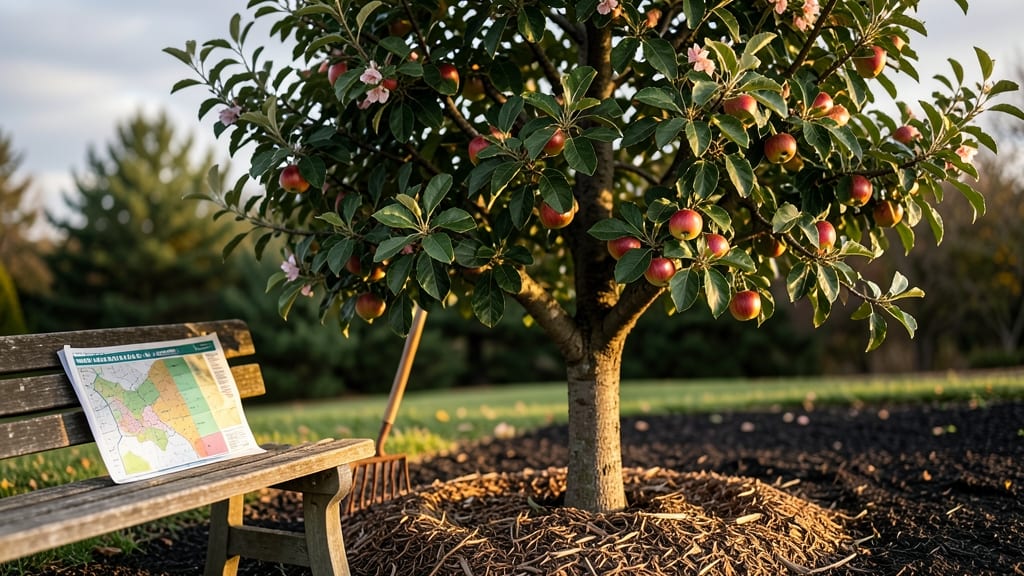
Understanding Boise's growing zones helps you pick the right plants for your garden.
The city's elevation—ranging from 3,200 to 3,700 feet—plays a big role in temperature variations, especially near the Boise River where urban heat can push zones slightly higher. 🌿 For example, areas near downtown might experience milder winters than rural spots, so always test your microclimate by observing how hardy plants perform in your specific yard.
This zone classification also affects frost dates: Zone 6B typically sees its last frost around May 15, while Zone 7A areas may be frost-free by April 20. If you're planting tender annuals or heat-loving vegetables, knowing your exact microclimate helps you time your garden perfectly.
💡 In This Article
- How Boise’s Elevation and Climate Define Its USDA Zones
- Microclimate-Smart Planting for Boise Gardens
How Boise’s elevation and climate define its USDA zones
Boise’s USDA zone classification hinges on its elevation—typically 3,200 to 3,700 feet—which creates cooler temperatures than lower desert regions. At this altitude, air pressure drops, reducing the atmosphere’s ability to retain heat, which is why Boise’s winters average -5°F to 5°F (Zone 6B-7A).
The Boise River and surrounding mountains also amplify temperature variations, with river valleys acting as natural heat sinks that can push microclimates into Zone 7B during mild winters. 🌡️
The city’s urban heat island effect further complicates zone mapping.
Downtown areas, with concrete and asphalt, can trap heat, creating pockets where Zone 7A plants thrive even when surrounding neighborhoods stay in Zone 6B. For example, a garden in North Boise might experience 10°F warmer minimum temperatures than one in the foothills.
This urban-rural divide means your exact location—especially proximity to water or shade—dictates plant hardiness.
Seasonal shifts matter too. Boise’s frost-free dates vary wildly: Zone 6B areas often see their last spring frost around May 15, while Zone 7A pockets near the river may break frost by April 20.
This 3-week window can mean the difference between successful tomato harvests and frost-killed seedlings. The USDA’s zone map averages these extremes, but real-world gardening demands local observations—like tracking when your Russian sage (Zone 4) blooms reliably.
Wind patterns add another layer. The city’s dry, channeled winds can drop temperatures 5-10°F faster in exposed gardens, mimicking Zone 5 conditions. Planting near windbreaks (like evergreen hedges) or in south-facing microclimates—where walls absorb daytime heat—can effectively shift your effective zone by 1-2 levels.
This is why a single Boise yard might host both Zone 6B perennials and Zone 7A vegetables.
Soil temperature plays a hidden role. Boise’s clay-heavy soils warm slowly in spring, delaying planting for cool-season crops like peas or lettuce. Use a soil thermometer: most vegetables need 40°F+ for germination.
In Zone 6B areas, this might mean waiting until May 1 before sowing, while Zone 7A pockets can start 2 weeks earlier. This timing difference explains why some Boise gardeners swear by cold-hardy kale (Zone 2) while others struggle with Zone 7A tomatoes.
For precise guidance, monitor your garden’s extremes. The USDA’s 10-year average masks year-to-year volatility—like the -20°F dip Boise saw in 2021. Hardening off plants and choosing multi-zone varieties (e.g., ‘Mars’ zucchini, Zone 3-10) builds resilience.
Even in Zone 7A pockets, a late frost can devastate tender plants, so always plant heat-lovers (like basil) after May 10**.