
Container Gardens
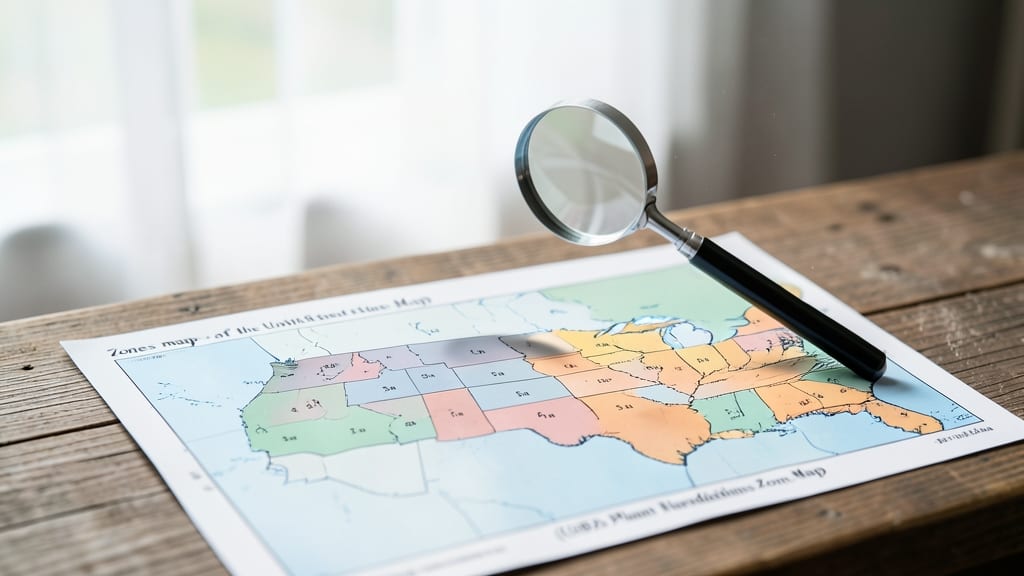
Understanding Massachusetts' growing zones helps you choose the right plants for your location. Coastal cities like Boston and Providence tend to stay warmer due to ocean influence, while inland areas such as Worcester or Springfield experience colder winters.
Elevation also plays a role—higher regions near the Berkshires can drop into Zone 5a, while valleys might stay in Zone 6a. 🌿 The USDA zone map provides a starting point, but local weather patterns can push your microclimate into a slightly different range.
For precise planning, I recommend checking your exact location using the USDA Plant Hardiness Zone Map and comparing it with your area's average last frost date. Urban areas often have heat islands that extend growing seasons, while exposed hilltops may face earlier frosts.
Tools like local gardening apps or cooperative extension service reports can give you hyper-local insights that standard zone maps miss.
💡 In This Article
- Massachusetts USDA Zone Breakdown by Region
- Microclimate Factors Affecting Massachusetts Gardens
Massachusetts USDA Zone breakdown by region
The state's geography creates a patchwork of growing zones, where coastal areas benefit from the ocean's moderating effect while inland regions face harsher winters. Boston and its surrounding coastal cities typically fall into Zone 6b-7a, where average minimum winter temperatures range from -5°F to 5°F.
This milder climate supports year-round gardening for heat-loving plants like rosemary and olive trees, which thrive in these conditions. 🌊 The warm Atlantic currents create a microclimate that can be 5-10°F warmer than inland areas just 20 miles away.
Moving inland, cities like Worcester and Springfield drop into Zone 5a-6a, where winter lows can reach -15°F to -5°F. These areas experience more pronounced seasonal shifts, requiring careful selection of cold-hardy perennials like coneflowers or black-eyed Susans.
The higher elevations of the Berkshires push some areas into Zone 5a, where temperatures can dip below -20°F in extreme winters. This elevation effect creates a 1,000-foot rule: for every 1,000 feet gained in elevation, temperatures drop about 3.5°F.
What makes Massachusetts unique is how quickly zones can change over short distances. A garden in Cambridge might thrive in Zone 7a, while just 30 miles west in Worcester, you'll find Zone 5b conditions.
This variation means gardeners must verify their exact location using the USDA Interactive Zone Map, which accounts for these microclimatic shifts. The map uses 30-year average minimum temperatures to determine zones, but local weather patterns can create exceptions—like urban heat islands that push some Boston neighborhoods into Zone 7b.
For practical planning, consider these regional guidelines:
- Coastal (Zone 6b-7a): Ideal for citrus, figs, and Mediterranean herbs that need warmth
- Metro Areas (Zone 6a): Best for daylilies, peonies, and Russian sage that tolerate moderate winters
- Inland/High Elevation (Zone 5a): Focus on hardy shrubs like viburnum or serviceberry
The state's diverse topography also means soil types vary dramatically—coastal areas often have sandy, well-drained soils, while inland regions may have heavier clay. This affects plant selection beyond just temperature tolerance. For example, hydrangeas thrive in Boston's Zone 6b but may struggle in Worcester's Zone 5b without winter protection. 🌿 Understanding these regional differences helps you match plants to both climate and soil conditions for optimal growth.