
Container Gardens
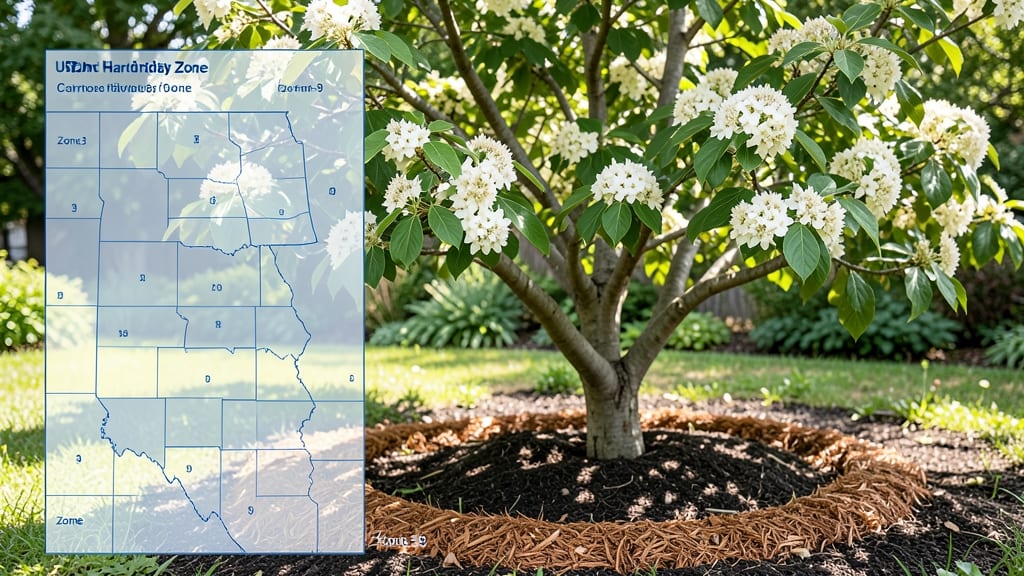
Ohio's growing zones reflect its diverse climate, shaped by Lake Erie's moderating influence in the north and warmer southern regions. 🌡️ The state's northern tier—including Cleveland and Toledo—faces harsher winters with Zone 5's average minimum temperatures of -15°F to -5°F, while Cincinnati and Columbus in Zone 6 experience milder winters (-10°F to 0°F).
This variation means gardeners in northern Ohio should prioritize cold-hardy plants like coneflowers and daylilies, while southern Ohio's warmer microclimates support heat-loving varieties such as black-eyed Susans. The far southwest's Zone 7 areas can even accommodate subtropical plants like butterfly bushes.
What's particularly interesting is how Ohio's urban heat islands and lake-effect snow patterns create microclimates within these zones. For example, areas near Lake Erie might experience 1-2°F colder winters than inland regions just a few miles away.
This means checking local weather records and consulting your specific ZIP code's USDA zone map is essential for precise plant selection.
💡 In This Article
- How Ohio’s Climate Shapes USDA Growing Zones
- Best Plants for Ohio’s Mixed Growing Zones
How Ohio’s climate shapes USDA growing zones
Ohio’s growing zones are primarily shaped by its latitude, elevation, and the moderating influence of Lake Erie. The state stretches roughly 380 miles north to south, creating a temperature gradient from cooler northern regions to warmer southern areas.
Northern Ohio, including cities like Toledo and Cleveland, experiences shorter growing seasons due to colder winters, typically falling into Zone 5 where average annual minimum temperatures range from -15°F to -5°F.
This cooler climate is influenced by the lake-effect snow from Lake Erie, which can drop temperatures suddenly and create microclimates near the shoreline.
The transition to Zone 6 in central and southern Ohio reflects the state’s warmer winters, with average lows between -10°F and 0°F. Cities like Columbus and Cincinnati benefit from slightly milder conditions, allowing for a longer growing season and a wider variety of plant species.
The far southwest corner of Ohio occasionally reaches Zone 7, where winters are mild enough to support subtropical plants. Elevation also plays a role—higher areas like parts of Appalachian Ohio can experience 1-2°F colder temperatures than lower elevations, pushing them into cooler zones.
What makes Ohio’s climate particularly interesting is the interplay between urban heat islands and lake-effect patterns. Urban areas like Cleveland can experience 2-4°F warmer temperatures than surrounding rural zones due to concrete and asphalt absorbing heat.
Meanwhile, lake-effect snow can create localized cold pockets near Lake Erie, where temperatures might drop 5°F lower than just a few miles inland. These microclimates mean gardeners should verify their exact location on the USDA map rather than relying solely on city-based zone designations.
Summer temperatures also vary across Ohio, with northern regions typically reaching 80-85°F in July, while southern areas can exceed 90°F. This heat difference impacts plant selection—northern gardeners might need shade-tolerant varieties, while southern gardeners can experiment with heat-loving plants like okra or sweet potatoes.
The state’s diverse climate ensures that no two gardens are exactly alike, even within the same zone.
Understanding these climatic factors helps explain why Ohio’s growing zones aren’t uniform. For example, a garden in Toledo might struggle with Zone 5’s harsh winters, while a similar garden in Cincinnati could thrive with Zone 6’s milder conditions.
This variation is why local weather records and microclimate observations are invaluable for successful gardening in Ohio.
For gardeners planning their layouts, this means paying attention to both the broader zone and the specific conditions of their property. A backyard near Lake Erie might need cold-hardy plants, while one in a southern valley could support more tender species.
The key is balancing the USDA zone guidelines with real-world observations of your microclimate.