
Planting
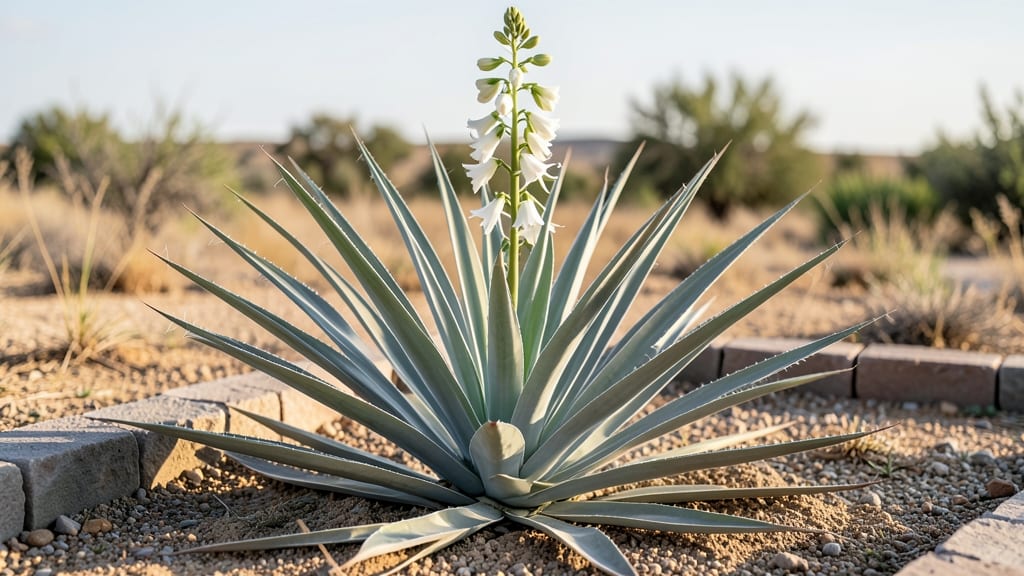
Las Vegas is located in USDA Hardiness Zone 10a, characterized by mild winters with temperatures rarely dropping below 30°F (-1°C), though urban heat islands and elevation shifts can create localized Zone 9b areas. Gardeners must select plants that thrive in extreme heat and dry conditions.
Las Vegas' desert climate plays a major role in defining its hardiness zone. 🌵 The city's high elevation (around 2,100 feet) and proximity to the Mojave Desert create temperature extremes, where summer highs can exceed 100°F while winters stay surprisingly mild.
These conditions are why most of the metro area falls into Zone 10a, though some cooler microclimates near higher elevations or shaded urban areas might experience Zone 9b characteristics.
What makes this particularly interesting is how urban development affects these zones. Concrete and asphalt absorb and retain heat, creating "heat islands" that can push temperatures up by 5-10°F compared to surrounding desert areas.
This means gardeners in downtown Las Vegas might need to adjust their plant selections differently than those in suburban areas just a few miles away.
💡 In This Article
- How Las Vegas’ Desert Climate Shapes USDA Zone 10a
- Best Heat-Tolerant Plants for Las Vegas Gardens
How Las Vegas’ desert climate shapes USDA Zone 10a
Las Vegas' classification as USDA Zone 10a stems from its unique combination of high desert elevation and Mojave Desert influence. The city sits at approximately 2,100 feet above sea level, where thin air and intense solar radiation create dramatic temperature swings.
During winter, these conditions allow temperatures to hover just above freezing (30–35°F), while summer days frequently exceed 105°F—a perfect storm for Zone 10a's mild winter definition. The Mojave Desert's arid climate further suppresses temperature extremes, preventing the kind of hard freezes found in colder zones.
What's particularly fascinating is how the urban environment modifies these natural conditions. Concrete surfaces and limited vegetation create what scientists call "heat islands," where temperatures can spike 5–10°F higher than surrounding desert areas.
This urban heat effect explains why some downtown Las Vegas neighborhoods experience Zone 9b characteristics—colder winter lows and slightly cooler summer nights. The contrast becomes especially noticeable when comparing Red Rock Canyon (higher elevation, cooler Zone 9b) with downtown casinos (intense heat retention).
This climate dynamic creates challenges for gardeners. While Zone 10a plants can handle the mild winters, they must also withstand 150+ days of temperatures above 90°F annually.
The key adaptation is selecting species with deep root systems that access moisture from lower soil layers and waxy leaves that minimize water loss. For example, desert willows thrive here because their roots extend 15–20 feet deep, while their leaves reflect sunlight rather than absorbing it. 🌵
The elevation gradient adds another layer of complexity. Areas like Mount Charleston (7,000+ feet) experience Zone 7b conditions, while the Las Vegas Strip maintains consistent Zone 10a characteristics.
This vertical climate shift means gardeners must carefully consider their specific microclimate—whether they're planting in a shaded courtyard or a sun-baked front yard. Even a 100-foot elevation change can shift your effective hardiness zone by one level.
What most people overlook is how wind patterns affect these zones. The city's location in a rain shadow creates low humidity (10–20%) year-round, which accelerates water evaporation from plant tissues. This means even Zone 10a plants need 30–50% less water than they would in more humid climates.
The combination of heat, low humidity, and intense sunlight creates a unique growing environment that rewards gardeners who understand these specific challenges.
For practical purposes, this means your garden's success hinges on three factors: plant selection, water management, and shade strategy. The wrong choices can lead to plants that survive but never thrive—like citrus trees that produce bitter fruit due to heat stress.
Understanding these climate interactions lets you create gardens that not only survive but flourish in Las Vegas' extreme conditions. ✨