
Planting
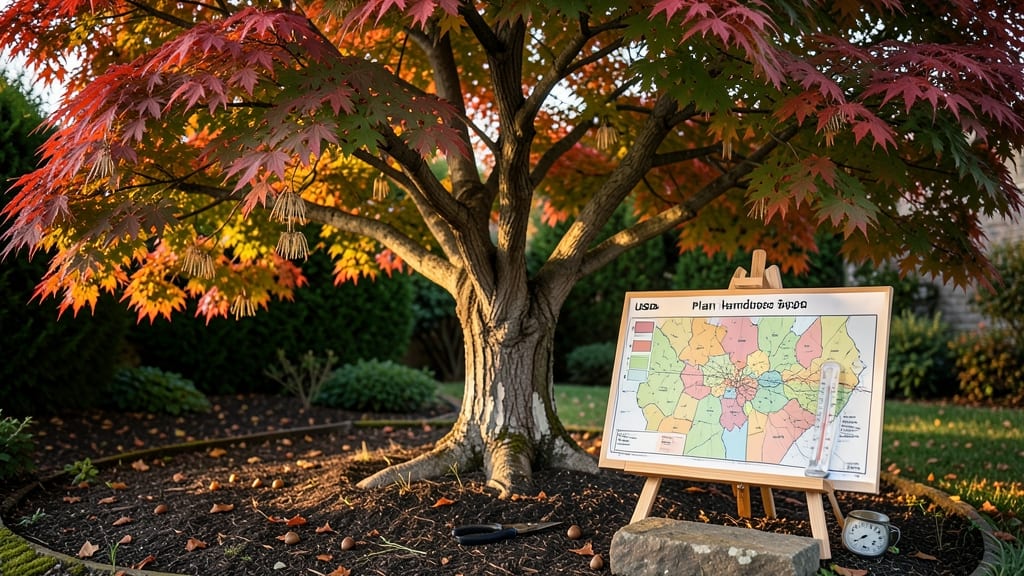
A hardiness zone tells you which plants will thrive in your area by mapping average winter lows, dividing the U.S. and Canada into 13 numbered zones (1-13) with a/b subdivisions for precision. This system helps gardeners choose cold-hardy plants that match their local climate.
A hardiness zone isn't just about numbers—it's a climate snapshot of your region's coldest winter temperatures. 🌡️ The USDA updates these zones every 10 years based on decades of weather data, which is why you might notice shifts due to climate change.
For example, Zone 5b today could become Zone 6a in 20 years. This system accounts for microclimates too, so your backyard might actually be a half-zone warmer than the official map shows.
Why does this matter? Because planting the right species saves you from heartbreak—and money. A zone 7 tomato might survive a mild winter in zone 8, but it could bolt prematurely or struggle with heat stress.
The key is matching plants to your zone's minimum temperature, not just your general location. Many gardeners also adjust for urban heat islands, which can push zones up by a half-step in city centers.
💡 In This Article
- How Hardiness Zones Are Calculated and Updated
- Finding Your Hardiness Zone and Using It for Gardening
How hardiness zones are calculated and updated
The USDA's hardiness zone system measures the average annual minimum temperature over a 30-year period, using data from 1991–2020 for the latest 2023 update. This methodology ensures gardeners have reliable predictions about which plants can survive winter's coldest nights.
Each zone represents a 10°F difference—so Zone 5a (average -15°F to -10°F) is colder than Zone 6b (5°F to 0°F). The system also accounts for microclimates, like sheltered valleys or windy coastlines, which can create pockets of warmth or cold within the same official zone.
Climate change has already shifted zones upward in many regions. For example, parts of Zone 6 in the Northeast now experience winters more typical of Zone 7 due to rising temperatures. The USDA's 2023 update reflects this shift, with some areas moving half a zone warmer than previous maps.
This means plants that once struggled in your area might now thrive—while others that were once safe may now face winter risks. The system also considers extreme cold events, which can push temperatures 10°F below the average minimum, helping gardeners prepare for worst-case scenarios.
What most people don't realize is that hardiness zones are just a starting point. The USDA's data doesn't account for urban heat islands, where pavement and buildings trap heat, potentially pushing city zones up by 2-5°F.
Nor does it factor in elevation changes—mountainous areas can be 3-5°F colder per 1,000 feet gained.
For precise planning, gardeners often adjust their zone by observing local conditions, like whether their yard gets morning sun or afternoon shade, which can create microclimates with 5°F differences in just a few feet.
Here's how the zones break down in practice:
- Zone 1-4: Extreme cold (-50°F to -10°F), suitable for hardy perennials like crabapples and shrubs.
- Zone 5-7: Moderate winters (-20°F to 10°F), ideal for ornamental grasses and fruit trees.
- Zone 8-10: Mild winters (10°F to 40°F), perfect for citrus and palms.
For gardeners, understanding these calculations helps explain why a zone 7 rose might survive in zone 8 but struggle in zone 6. The system isn't perfect—it's a probability tool, not a guarantee.
For example, a zone 5 plant might survive in zone 6 if planted in a sheltered microclimate, while a zone 6 plant could fail in zone 5 during an unusually cold snap. The key is using zones as a baseline, then adjusting for local conditions. 🌱
The USDA updates zones every 10 years to reflect climate trends, but gardeners can also use local weather records and neighbor observations to fine-tune their approach.
For instance, if your area has seen three consecutive mild winters, you might push the boundaries of your zone by trying slightly less hardy plants. The goal is balancing risk and reward—knowing that a zone 7 plant in zone 6 might survive but could produce less fruit or flowers.
Ultimately, hardiness zones are a living system, evolving with the climate. By understanding how they're calculated, you can make smarter choices about what to plant—and how to protect it when winter arrives.
The science behind these zones isn't just about numbers; it's about predicting nature's extremes and working with them. 🌡️