
Tools
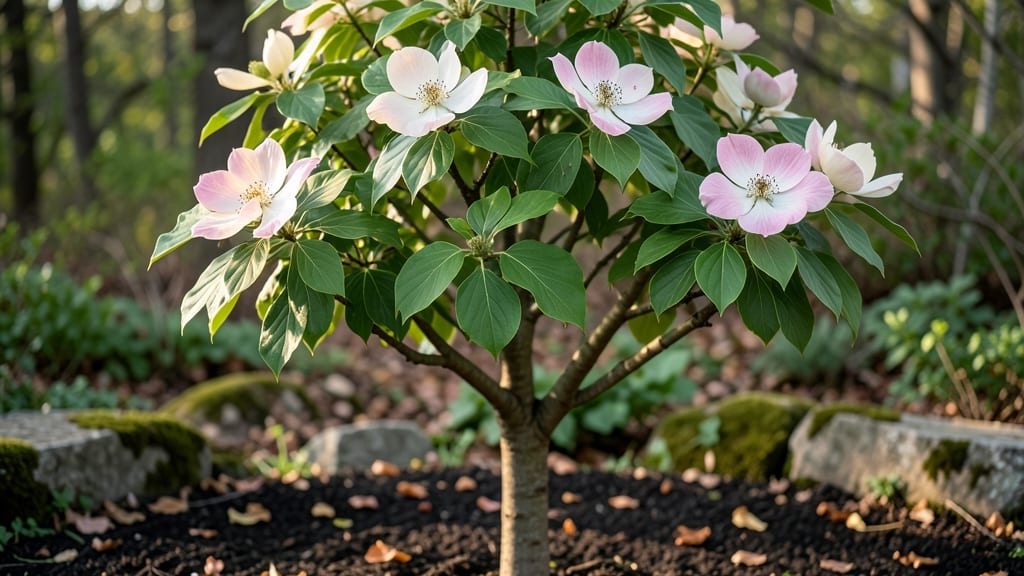
Understanding Buffalo’s garden zone helps you pick the right plants for your yard’s specific conditions. 🌿 Zone 6B means you can grow a wide range of perennials and shrubs that thrive in cold winters, but some areas near Lake Erie experience milder winters due to lake-effect warming.
This creates pockets where you might even push Zone 7 plants with proper winter protection. The key is knowing whether your specific location leans toward the lake’s moderating influence or the colder inland climate.
For example, the Buffalo Niagara International Airport—often used as a reference point—typically sees 2,000-2,200 growing degree days, but homes just a few miles inland might experience 10-15°F colder minimum temperatures.
This variation explains why some gardeners near the lakefront can grow tender perennials like lavender or Russian sage with extra winter care, while those in the city’s western neighborhoods might struggle with the same plants.
💡 In This Article
- How USDA Zone 6B Affects Plant Survival in Buffalo
- Buffalo Microclimates: Adjusting for Lake Erie’s Influence
How USDA Zone 6B affects plant survival in Buffalo
Buffalo's classification as Zone 6B means plants must withstand average winter lows between 0°F and 5°F (-18°C to -15°C), but the real story lies in how these temperatures interact with Buffalo's unique climate patterns.
The last spring frost typically occurs around April 15, while the first fall frost arrives around October 15, giving gardeners roughly 180 frost-free days.
This window allows for a diverse range of cold-hardy perennials like peonies, which thrive in Zone 6B's temperature extremes, and fruit trees such as apples and cherries that can handle the region's winter chill requirements.
What makes Buffalo's zone particularly interesting is the lake-effect phenomenon. Lake Erie's massive size creates microclimates where temperatures near the shoreline can be 5-10°F warmer than just a few miles inland during winter. This effect extends the growing season near waterfront properties by about 2-3 weeks compared to inland areas.
For example, while downtown Buffalo might see -10°F nights, the lakefront could remain at 10°F or above during the same period. This variation explains why some gardeners near the lake can successfully grow tender perennials like butterfly bush with winter protection, while those in western neighborhoods might struggle.
The zone's upper limit of 5°F also means gardeners must carefully select plants that won't suffer from winter dieback. For instance, while hydrangeas (Zone 3-9) will thrive, more tender varieties like camellias (Zone 7-9) require winter mulching or container protection.
The summer side of Zone 6B brings another challenge: heatwaves can push temperatures above 90°F for extended periods, stressing plants not adapted to Buffalo's humid summers. This dual challenge explains why many successful Buffalo gardens combine cold-hardy perennials with heat-tolerant annuals for seasonal interest.
Another critical factor is the 10-year average minimum temperature used to define zones. Buffalo's 5°F threshold means that while most Zone 6B plants will survive, occasional -15°F dips (which occur roughly every 5 years) can push some marginal plants to their limits.
This is why experienced Buffalo gardeners often "over-plant" with cold-hardy species and use winter mulch to create an extra 5°F buffer around plant roots. The science here involves understanding how soil insulation works - a 4-inch layer of straw mulch can raise soil temperatures by 4-6°F compared to bare ground.
Comparing Buffalo to nearby areas reveals even more nuance. Just 20 miles south in Erie County, some pockets fall into Zone 6A (where minimum temps dip to -5°F), while the lakefront near Derby occasionally pushes into Zone 6B's warmer edge.
This variation means gardeners should verify their exact microclimate by checking local weather records or using USDA's Plant Hardiness Zone Map with their precise address.
The difference between Zone 6A and 6B might seem small, but it can mean the difference between a thriving rose bush and one that struggles through winter.
For those new to Buffalo gardening, the key takeaway is that Zone 6B represents a balance point where you can grow a wide range of plants, but success depends on understanding your specific location's microclimate.
The lake's moderating influence near waterfront properties creates opportunities for slightly more tender plants, while inland areas require extra winter protection. This geographical variability is why Buffalo gardeners often develop two distinct planting strategies: one for lake-adjacent properties and another for inland locations. 🌿