
Tools
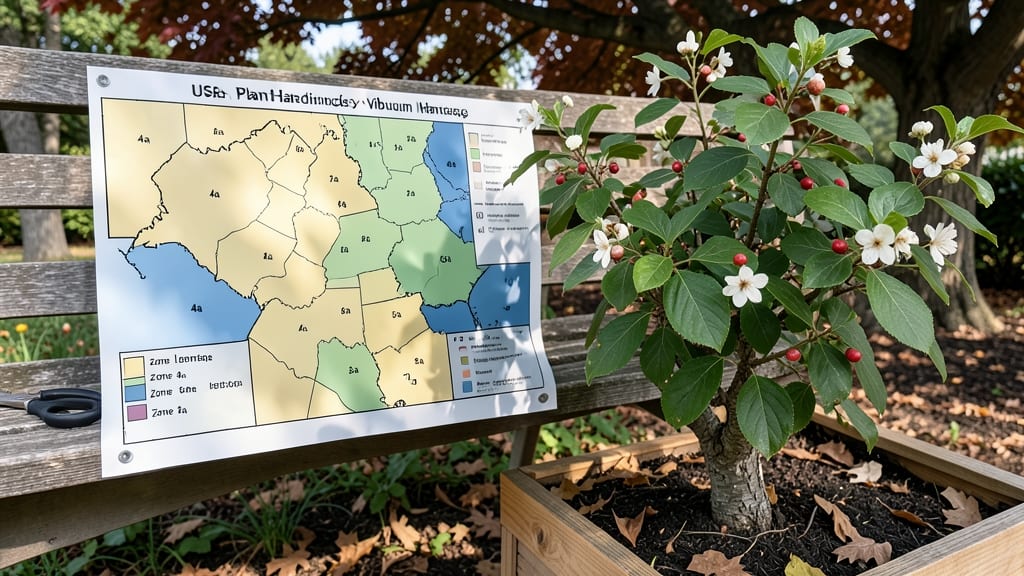
Understanding Massachusetts' USDA zones helps you pick plants that thrive in your specific microclimate. The state's diverse geography—from the Atlantic coast to the Berkshire hills—creates significant temperature variations.
For example, Boston typically sits in Zone 7a, while the higher elevations of the Berkshires drop into Zone 5b. This means coastal gardeners can grow tender perennials like lavender (Zone 5-9), while inland areas need hardier options such as Russian sage (Zone 4-9) to survive winter. 🌿 Even within a single city, urban heat islands can push zones up by half a level, so always verify your exact location on the USDA interactive map before making planting decisions.
What sets Massachusetts apart is how quickly conditions can shift. A single storm can push temperatures 10°F colder overnight, especially in inland valleys. That's why I recommend planting cold-hardy annuals like pansies (Zone 3-11) in early spring—they'll bounce back from unexpected frosts better than delicate seedlings.
For perennials, focus on native species with deep root systems, like black-eyed Susans (Zone 4-9), which handle both heat and cold extremes far better than non-native imports.
💡 In This Article
- How Massachusetts’ Climate Shapes USDA Zones
- Best Plants for Massachusetts Zones 5-7
How Massachusetts’ climate shapes USDA zones
Massachusetts' diverse geography creates a patchwork of USDA zones because of how the Atlantic Ocean and inland terrain interact. Coastal areas like Cape Cod and Boston benefit from the ocean's moderating influence, where saltwater absorbs and releases heat slowly—this keeps winter temperatures milder than inland areas.
For example, Boston's Zone 7a experiences average winter lows of 0°F to 5°F (-18°C to -15°C), while the nearby North Shore can drop to -5°F (-21°C) in Zone 6b due to cold air pooling in valleys.
The state's elevation plays a critical role too. Higher elevations like the Berkshires (Zone 5b) and Mount Greylock (Zone 5a) experience colder temperatures because air cools about 3.5°F per 1,000 feet (6.5°C per 300 meters) in elevation.
This means a garden at 1,500 feet (457 meters) in the Berkshires could be 5°F colder than one at sea level—enough to push hardiness zones down by half a level or more. The Mohawk Trail region, for instance, often sees 10°F colder nights than coastal Newburyport just 50 miles away.
Frost dates also vary dramatically. Coastal areas typically enjoy 2-3 weeks longer growing seasons than inland regions because the ocean's thermal mass delays first frosts in fall and warms the air in spring.
Inland valleys like the Connecticut River Valley can experience black frost events (killing frosts below 28°F (-2°C)) up to 2 weeks earlier than coastal areas.
This is why I always recommend using the USDA's interactive map to pinpoint your exact location—even neighborhoods just 5 miles apart can fall into different zones.
Urban areas add another layer of complexity. Cities like Boston and Worcester create "heat islands" where pavement and buildings trap heat, pushing microclimates into higher zones.
A backyard in downtown Boston might qualify for Zone 7b, while a rural farm just 10 miles north could be Zone 6a. This urban-rural divide affects everything from flower blooming times to vegetable ripening schedules—so always consider your specific microclimate when selecting plants.
Even within a single zone, temperature fluctuations can be extreme. Massachusetts experiences rapid temperature swings due to its continental climate, where a 70°F (21°C) spring day can drop to 30°F (-1°C) overnight. This variability means gardeners must choose plants that can handle both heat waves and sudden cold snaps.
For instance, while hydrangeas (Zone 3-9) thrive in Boston's Zone 7a, they may struggle in the Berkshires' Zone 5b unless planted against a south-facing wall for added protection.
What most people don't realize is how wind patterns affect these zones too. Coastal areas experience more wind, which can create a "wind chill effect" that makes temperatures feel 5-10°F colder than inland areas with similar official readings.
This is why windbreaks—like evergreen hedges or fences—can effectively raise your microclimate's hardiness by 1-2 zones in exposed locations. 🌬️