
Tools
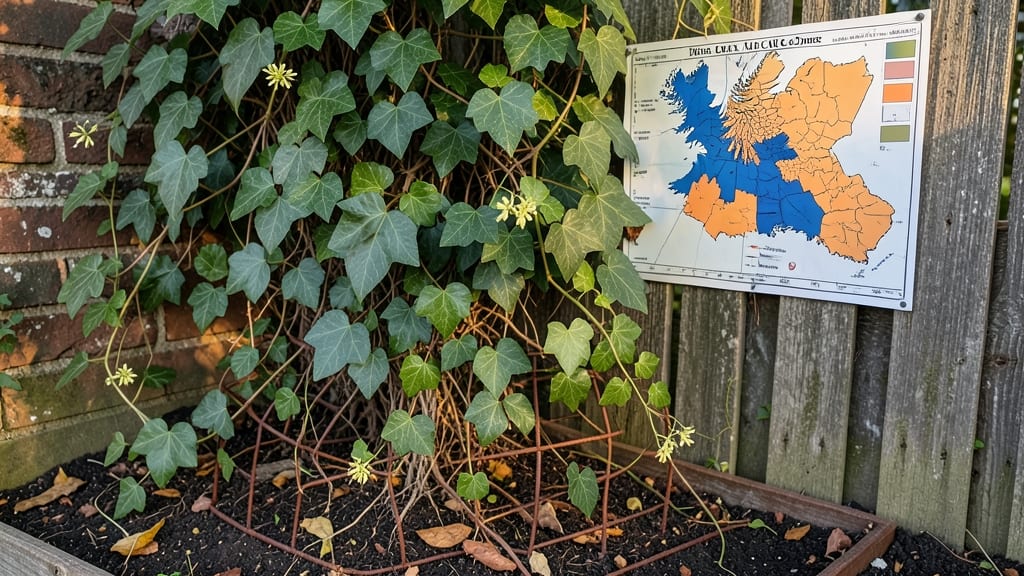
To determine your UK garden zone, use the Royal Horticultural Society (RHS) Hardiness Map, which categorizes regions from 1 (coldest) to 10 (mildest) based on frost risk and climate. Enter your postcode to pinpoint your exact zone for tailored planting advice.
The RHS Hardiness Map breaks down the UK into 10 distinct climate zones, each reflecting average winter temperatures and frost patterns.
For example, Zone 1 (Scotland's Highlands) faces harsher winters, while Zone 10 (Cornwall) enjoys milder conditions. 🌱 This system helps gardeners select plants that thrive in their specific conditions—whether you're growing frost-tolerant lavender in Zone 5 or subtropical bougainvillea in Zone 9.
Elevation and coastal proximity can also shift your zone by one or two levels, so always verify with the official map.
Once you know your zone, you can confidently choose plants that match your climate. Hardy perennials like purple coneflower flourish in Zones 3-8, while citrus trees thrive only in Zones 9-10. The map even accounts for microclimates, like sheltered spots that may support slightly tender plants in colder zones.
💡 In This Article
- Understanding UK Garden Zones and Climate Factors
- Choosing Plants for Your UK Garden Zone: A Practical Guide
Understanding UK garden zones and climate factors
The UK's 10 garden zones are determined by the average minimum winter temperature—the coldest temperature plants can tolerate without damage. Zone 1 (e.g., Scottish Highlands) sees temperatures as low as -15°C to -10°C, while Zone 10 (e.g., Cornwall) rarely drops below -2°C to 0°C.
These thresholds are based on 30-year climate data from the RHS, ensuring accuracy for modern gardeners. The colder zones require hardy species like snowdrops or heather, while milder zones support olives or palms.
Altitude plays a surprising role—every 150 meters (500 feet) increase in elevation can drop your zone by one level. For example, a garden in Zone 7 at sea level might become Zone 5 on a hillside.
Coastal areas also experience milder microclimates due to the Gulf Stream, which can push zones up by one or two levels near the south coast.
Even urban heat islands (where pavement retains warmth) can create pockets where Zone 8 plants thrive in areas officially classified as Zone 7. 🌬️
Frost risk is the defining factor—Zone 1 gardens face 100+ frost days per year, while Zone 10 sees fewer than 50. The RHS map accounts for late spring frosts (common in Zones 4-6), which can damage tender plants like dahlias or fuchsias if planted too early.
Gardeners in transitional zones (e.g., Zone 6-7) often use frost blankets or microclimate tricks like south-facing walls to extend growing seasons.
Seasonal variations matter too—Zone 1 gardens have shorter growing seasons (typically 150-180 frost-free days), while Zone 10 enjoys 240+ days. This affects everything from vegetable choices (early maturing varieties for colder zones) to pruning schedules (later in colder regions).
The RHS map even includes frost-free period indicators, helping gardeners time plantings precisely.
For example, Zone 5 (covering much of England and Wales) averages 50-70 frost-free days, making it ideal for hardy perennials like peony or hydrangea. But a sheltered garden in Zone 5 might support Zone 6 plants like clematis in microclimates.
The key is observing your garden's local frost patterns—not just the official zone—to fine-tune plant selection.
What most gardeners overlook is how soil type interacts with zones. Clay soils in Zone 6 retain cold longer, while sandy soils in Zone 8 warm up faster in spring. This means even within the same zone, planting times can vary by 2-3 weeks depending on soil drainage.
Always combine the RHS map with on-the-ground observations for the best results. 🌿