
Blooming
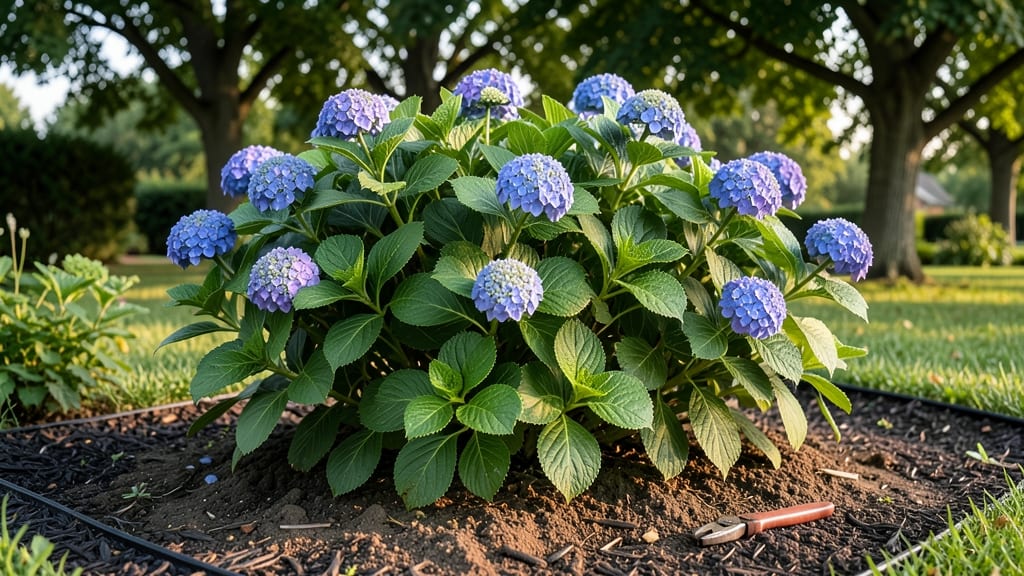
Hydrangeas typically showcase their vibrant blooms when daylight hours lengthen and temperatures warm, creating the perfect conditions for their showy clusters. 🌸 The timing can shift based on your region—northern gardeners might see earlier blooms in May, while southern climates could extend flowering into September.
What's fascinating is how each variety has its own internal clock: Bigleaf hydrangeas, for example, form flower buds the previous summer, so their timing is locked in early, while Oakleaf types often produce two bloom cycles if pruned correctly.
Your local climate plays a surprisingly big role too. In cooler zones, hydrangeas might wait until July for peak color, while warmer areas could see blooms as early as May.
I've noticed that even within the same variety, a sheltered microclimate can push blooms forward by weeks compared to exposed garden beds. The key is understanding your specific hydrangea type and matching care to its natural rhythm.
💡 In This Article
- Hydrangea Bloom Seasons by Popular Varieties
- Extending Hydrangea Bloom Seasons with Care Tips
Hydrangea bloom seasons by popular varieties
The bloom timing of hydrangeas isn't random—it's determined by when each variety forms its flower buds. Bigleaf hydrangeas (Hydrangea macrophylla), like the beloved 'Endless Summer', set their buds the previous summer, which is why they bloom reliably from June to August in most climates.
These varieties need 12-15 weeks of cool temperatures (below 60°F) to develop buds properly, explaining why northern gardens often see earlier blooms than southern ones. 💫
Panicle hydrangeas (Hydrangea paniculata), such as 'Limelight' or 'Little Lime', have a different strategy—they produce flower buds on new wood, allowing them to bloom later in the season, typically from July to September. This makes them more adaptable to warmer climates where Bigleaf types might struggle.
Oakleaf hydrangeas (Hydrangea quercifolia) are the late bloomers, often waiting until mid-to-late summer (August-September) and sometimes producing a second flush of flowers if pruned correctly.
Climate zones shift these timelines dramatically. In USDA Zone 5 or colder, hydrangeas might delay blooming until July to avoid spring frosts, while Zone 8 or warmer regions can see blooms as early as May.
I've observed that even within the same city, a north-facing garden bed can delay blooms by 2-3 weeks compared to a sunny, south-facing spot. The key is matching your variety's native rhythm with your local growing conditions.
For gardeners in transitional zones, hybrid varieties like 'Nikko Blue' (Bigleaf) or 'Grandiflora' (Panicle) offer the best of both worlds—reliable blooming from June through September—because they combine the bud-setting habits of multiple types.
These hybrids often produce larger, more abundant flowers precisely because they've inherited the best traits from different parent varieties. 🌸
Here's a quick reference for popular varieties and their typical bloom windows:
- Bigleaf (e.g., 'Endless Summer'): June-August (buds set previous summer)
- Panicle (e.g., 'Limelight'): July-September (buds on new wood)
- Oakleaf (e.g., 'Snow Queen'): August-September (late summer peak)
- Mountain (e.g., 'Alice'): June-July (early bloomer, prefers cooler climates)
What most gardeners don't realize is that even within a single variety, the exact bloom date can vary by 10-14 days depending on whether the plant received consistent moisture during its bud-setting phase the previous year. Proper care during this critical period can push blooms forward by weeks! 🌿