
Size
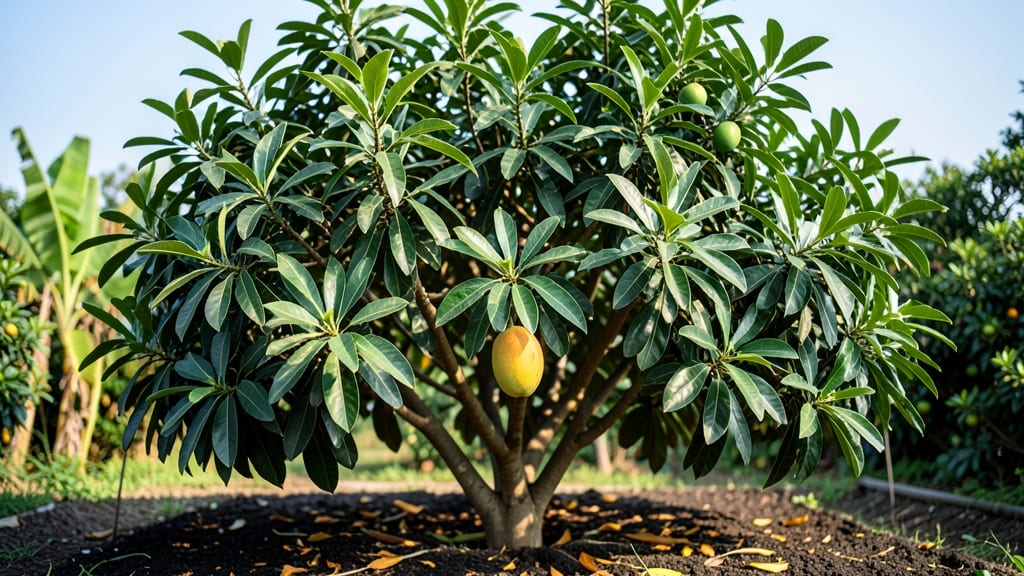
Mangoes grow during warm seasons, thriving in tropical climates where temperatures stay between 75°F and 95°F year-round, with peak harvests typically occurring in late spring through summer months depending on the variety and region.
Mango trees need consistent warmth to produce fruit, which is why they flourish in tropical and subtropical regions. 🌞 The flowering stage requires temperatures above 68°F, while fruit development peaks when days stay between 75°F and 95°F.
This explains why mangoes ripen during late spring to summer—when heat is most reliable. For example, Florida's harvest runs from May to August, while India's peak occurs between June and September, showing how regional climates dictate timing.
What many don't realize is that mango trees actually need a brief cooling period after flowering to set fruit properly. Once temperatures stabilize, the trees focus on fruit maturation, which takes about 3-6 months depending on the variety.
This biological rhythm is why you'll rarely find mangoes in grocery stores outside their natural growing windows—unless they're imported from warmer climates.
💡 In This Article
- Mango Tree Growth Cycles and Climate Needs
- Best Regions for Mango Cultivation and Harvest Seasons
Mango tree growth cycles and climate needs
Mango trees follow a precise botanical rhythm tied to temperature and daylight, beginning with flowering when daytime temperatures consistently exceed 68°F. This critical stage triggers the tree's reproductive cycle, where thousands of tiny flowers bloom in dense clusters.
The key here is that these flowers are highly sensitive to temperature fluctuations—if nights dip below 60°F, pollination fails, and fruit won't develop. Once pollinated, the fruit enters its rapid growth phase, requiring steady warmth between 75°F and 95°F for optimal sugar accumulation and cell expansion.
The magic happens during fruit maturation, where sunlight intensity directly affects flavor and color development. Mango varieties like the Alphonso (India's prized gold mango) develop their signature sweetness when exposed to 12+ hours of direct sunlight daily, while shaded fruits remain tart.
This is why tropical regions with year-round sunshine produce the most flavorful mangoes—photosynthesis in the leaves fuels the fruit's sugar production. Interestingly, some commercial growers use red LED lights in greenhouses to extend growing seasons in cooler climates, mimicking tropical sunlight conditions.
What most gardeners overlook is the tree's need for a brief cooling period after flowering. This 2-4 week rest at 65-70°F helps the tree stabilize fruit set before resuming rapid growth. Without this break, trees may produce small, underdeveloped fruits.
The entire growth cycle from flower to ripe fruit typically takes 3-6 months, with tropical varieties like Keitt maturing faster than tropical-subtropical hybrids. This explains why you'll see mango harvests spread across seasons—different varieties have been bred to ripen at specific times.
Soil temperature also plays a hidden role in root development. Mango roots thrive when soil stays above 70°F, which is why heavy mulching is common in tropical farms. The roots absorb water and nutrients more efficiently in warm soil, directly impacting the tree's ability to support heavy fruit loads.
In regions with dry seasons, like northern Mexico, growers often use drip irrigation systems to maintain consistent moisture without cooling the soil too much—another factor that affects harvest timing.
Here's what this means for home growers: If you're planting a mango tree in a USDA Zone 10-11 area (like Southern California or Florida), you can expect fruit in 3-5 years with proper care.
But in cooler climates (Zones 9-10), you'll need to choose cold-hardy varieties like Julie or Cogshall and protect young trees from frost.
The tree's natural dormancy period in cooler areas actually helps it survive, but it won't produce fruit until it receives enough accumulated heat—typically 1,200-1,500 hours above 65°F annually.
The science behind mango ripening involves ethylene gas production, which peaks when fruits reach their mature green stage. This hormone triggers the breakdown of starches into sugars, turning the fruit from firm green to soft, sweet orange.
The process accelerates at 77-86°F, which is why tropical mangoes ripen so quickly once picked—unlike temperate fruits that need cooler storage. 🌱 This biological quirk means you can't simply pick mangoes early and store them; they must ripen on the tree or in controlled warm environments to develop full flavor.